 EN
EN
 AR
AR
 BG
BG
 CS
CS
 DA
DA
 NL
NL
 FI
FI
 FR
FR
 EL
EL
 HI
HI
 IT
IT
 JA
JA
 KO
KO
 NO
NO
 PL
PL
 PT
PT
 RO
RO
 RU
RU
 ES
ES
 TL
TL
 ID
ID
 UK
UK
 ET
ET
 TR
TR
 AF
AF
 GA
GA
 MK
MK
 BN
BN
 NE
NE
 KK
KK
 SU
SU
 UZ
UZ


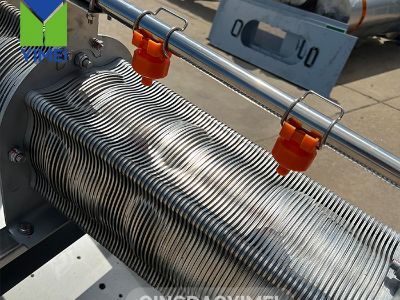
Screw dehydrator technology is increasingly recognized for its efficiency in managing sludge across various sectors. This technology is essential for industries looking to optimize waste management processes, reduce operational costs, and enhance sustainability efforts. We will explore why screw dehydrator technology is widely used across different industries, addressing common buyer concerns and providing insights that can aid in making informed purchasing decisions.
What Industries Benefit from Screw Dehydrator Technology?
Screw dehydrators are pivotal in several industries, primarily where waste management and water treatment are critical. Key sectors include:
Municipal Wastewater Treatment: Municipalities use screw dehydrators to efficiently process and reduce the volume of sludge generated in wastewater treatment plants. This technology supports compliance with environmental regulations by ensuring that sludge is treated and disposed of properly.
Food and Beverage Processing: In this sector, screw dehydrators help manage organic waste, such as food scraps and wastewater, enabling companies to minimize waste and recover valuable resources. This process can lead to reduced disposal costs and improved sustainability.
Agriculture: Agricultural operations utilize screw dehydrators to manage manure and other organic byproducts. This technology aids in producing compost and reducing the environmental impact of waste disposal.
Pulp and Paper Industry: This industry benefits from screw press dehydrator by treating wastewater and sludge, allowing for more efficient water recycling and waste reduction.
Chemical Manufacturing: Screw dehydrators are used to manage waste produced during chemical processes, helping to ensure safe and compliant waste management practices.
The versatility of screw dehydrator technology makes it suitable for various applications, addressing the specific needs of each industry while promoting sustainability and operational efficiency.
How to Choose the Right Screw Dehydrator for Your Project?
Selecting the right screw dehydrator involves several critical considerations:
Capacity Requirements: Determine the volume of sludge you need to process. Screw dehydrators come in different sizes and capacities, so matching the unit to your processing needs is essential to ensure efficiency.
Sludge Characteristics: Analyze the type of sludge (organic, inorganic, thickened) you will be treating. Different designs may be more efficient for specific sludge types, affecting dewatering performance and operational costs.
Space Constraints: Consider the available installation space. Some screw dehydrators require specific configurations, so it's vital to ensure that the selected model fits within the designated area.
Automation and Control: Evaluate the level of automation needed. Modern screw press filter dehydrators may offer advanced control systems that enhance operational efficiency and monitor performance, which can be beneficial for large-scale operations.
Budget: Establish a budget that includes not only the initial purchase price but also installation, maintenance, and operational costs. It’s crucial to consider the total cost of ownership over the system's lifespan.
By assessing these factors, buyers can select a screw dehydrator model that aligns with their operational needs, ensuring effective sludge management.
Key Specifications to Consider When Sourcing Screw Dehydrators
When sourcing screw dehydrators, several specifications should be evaluated to ensure optimal performance:
Throughput Rate: This specification indicates the volume of sludge that can be processed within a specific timeframe. A higher throughput rate can lead to increased efficiency, especially in high-load operations.
Moisture Content Reduction: Different models achieve varying levels of moisture content reduction in the final product. Understanding your target moisture content is crucial for meeting disposal or reuse requirements.
Power Consumption: Energy efficiency is a critical consideration for operational costs. Look for models with low power consumption relative to their processing capacity.
Material of Construction: The materials used in the construction of the dehydrator affect durability and resistance to corrosion. Stainless steel is commonly preferred for its longevity and ability to withstand harsh conditions.
Maintenance Requirements: Consider the maintenance needs of the dehydrator. Models that require less frequent maintenance can save time and reduce operational disruptions.
Understanding these specifications will help buyers make informed decisions when sourcing screw dehydrators, ensuring that they select equipment that meets both performance and budgetary needs.
Common Problems with Screw Dehydrators and Their Solutions
While screw dehydrators are effective, they can encounter specific challenges:
Clogging: One of the common issues is clogging, often caused by fibrous materials or excessive solids. To mitigate this, ensure regular maintenance checks and consider models with self-cleaning features that can reduce downtime.
Inconsistent Dewatering: Variability in the moisture content of the output can occur. This may result from fluctuating sludge characteristics. To address this, operators should monitor sludge properties and adjust the dehydrator settings accordingly.
Wear and Tear: Over time, components of the dehydrator can wear out, affecting performance. It is essential to establish a routine inspection schedule to identify and replace worn parts promptly.
Noise Levels: Some screw dehydrators may generate considerable noise during operation. Selecting models designed for quieter operation or implementing sound dampening measures can help alleviate this concern.
By being aware of these common issues and implementing proactive solutions, buyers can enhance the reliability and efficiency of their screw dehydrators.
Cost Factors to Consider When Purchasing Screw Dehydrators
The cost of screw dehydrators can vary significantly based on several factors:
Initial Purchase Price: This includes the cost of the dehydrator itself, which can depend on the manufacturer, specifications, and features offered. It’s crucial to balance initial costs with long-term operational efficiency.
Installation Costs: Factor in the expenses associated with installing the equipment, which may include site preparation, labor, and any necessary modifications to existing systems.
Maintenance and Operating Costs: Regular maintenance is essential for optimal performance. Consider the estimated costs for routine maintenance, parts replacement, and energy consumption.
Financing Options: Some suppliers offer financing plans or leasing options that can ease the financial burden of a significant capital investment. Evaluating these options can help manage cash flow.
Potential Savings: Calculate potential savings from reduced waste disposal costs and enhanced operational efficiency. Understanding the return on investment (ROI) can justify the initial expenditure.
By considering these cost factors, buyers can make more informed financial decisions regarding the purchase and operation of screw dehydrators, ultimately leading to better management of their sludge processing needs.