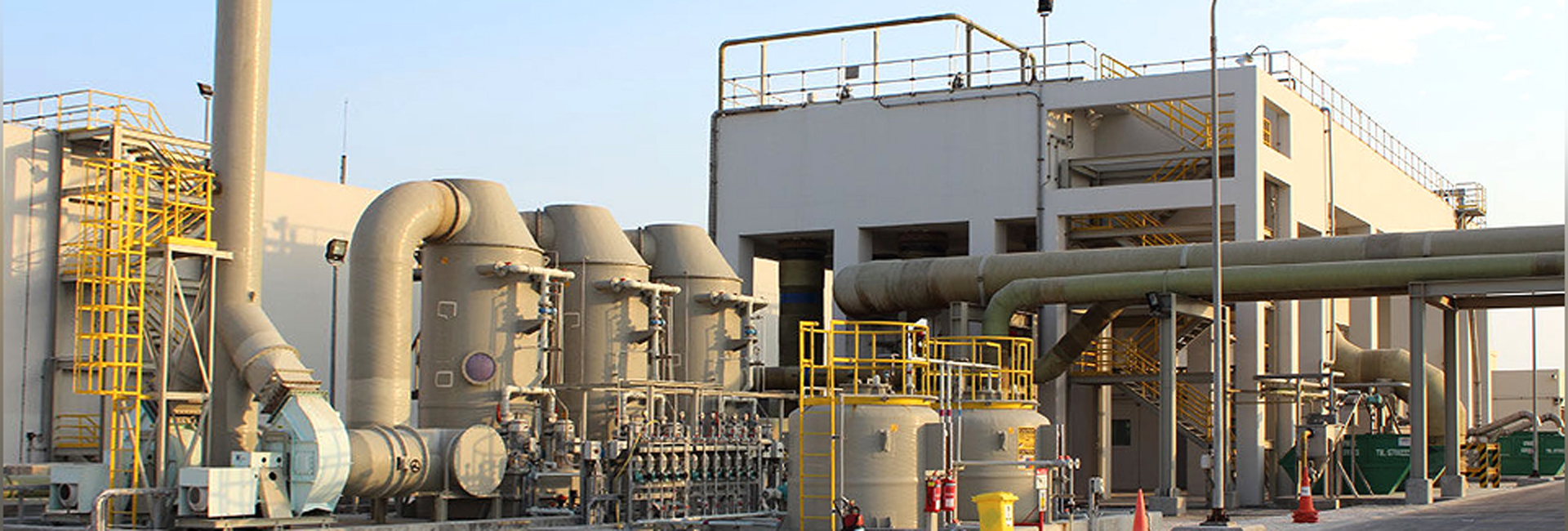
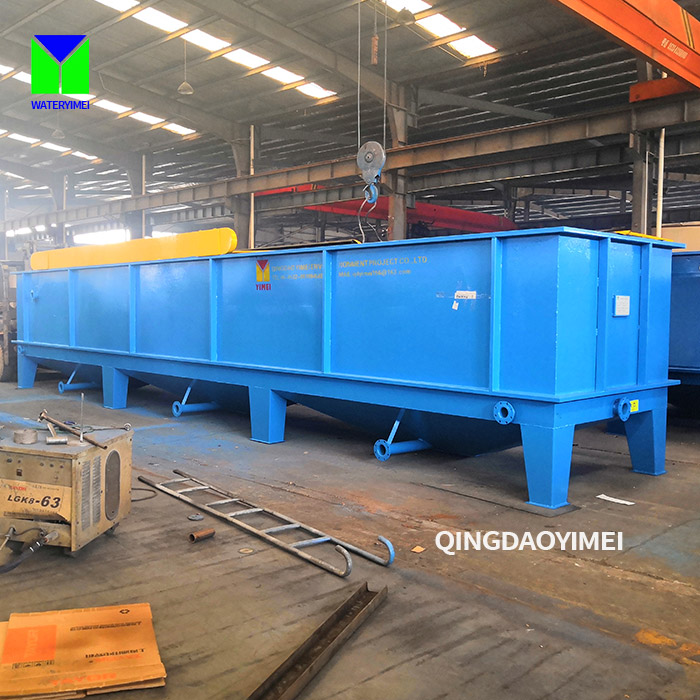
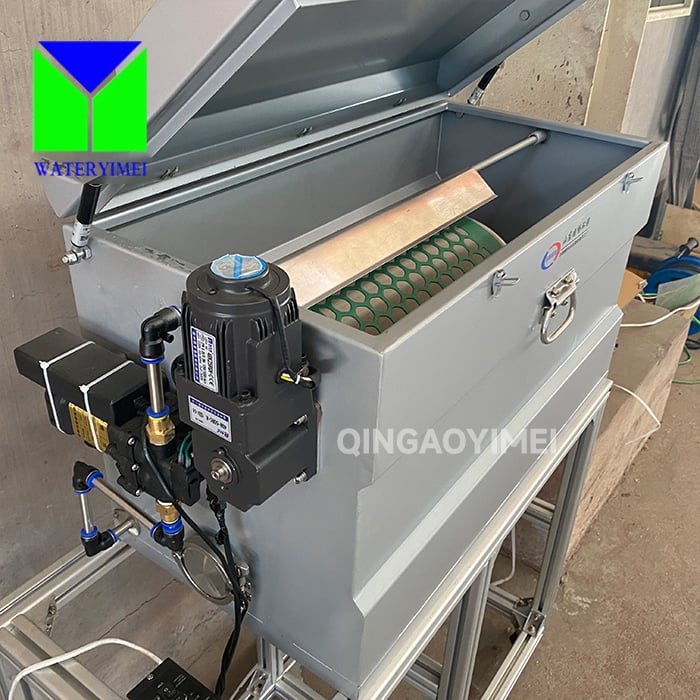
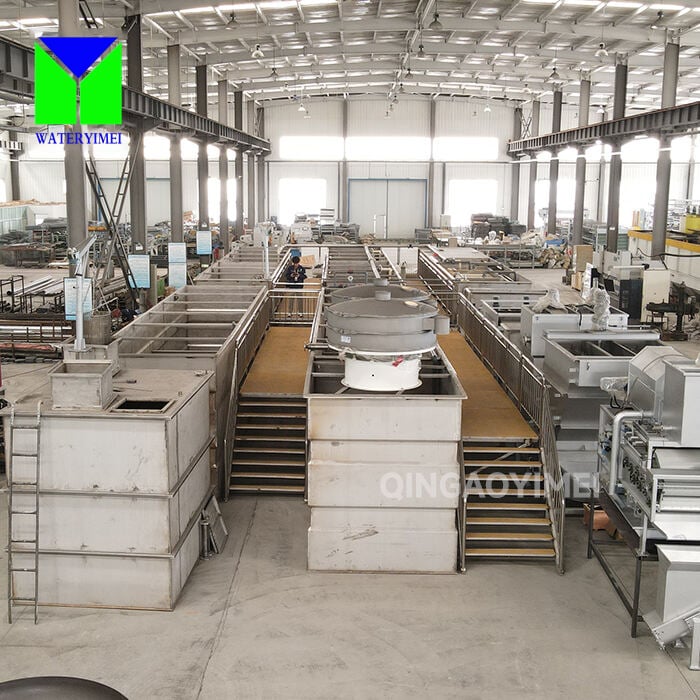
Let’s explore wastewater treatment for commercial real estate. Hotels, RV parks, event centers, and shopping malls all generate wastewater, and in many areas, connecting directly to the municipal sewer system is simply not feasible. Whether your facility is located beyond the reach of urban infrastructure or the local wastewater treatment capacity is already approaching its limit, a commercial wastewater treatment system enables your project to move forward and maintain continuous operation. By treating wastewater on-site, it not only helps meet local discharge requirements but, in many cases, also enables water recovery and reuse.
This comprehensive guide explains what commercial wastewater treatment systems are, how they differ from industrial and municipal wastewater treatment plants, what technologies are available, and the key considerations you need to understand throughout the project approval, system installation, and daily operation processes.
Understanding Commercial Real Estate Wastewater Treatment Systems
A commercial wastewater treatment system is an on-site facility designed to treat wastewater generated from locations such as shopping malls, office buildings, hotels, commercial complexes, and industrial parks. Commercial wastewater typically has complex characteristics, significant fluctuations in daily flow, and prominent grease contamination from food service operations. Treatment capacities usually range from several thousand gallons per day to hundreds of thousands of gallons per day.
Our goal in wastewater treatment is to achieve the standards required by your local regulations — while producing water of a quality high enough for on-site reuse, such as irrigation, cooling, or other non-potable applications, instead of simply discharging and wasting this valuable resource.
Key Strategies and Technologies for Commercial Wastewater Treatment
An appropriate combination of wastewater treatment technologies is essential for commercial projects to achieve environmental compliance, efficient operation, and sustainable emission reduction. By integrating proven traditional treatment processes with emerging industry technology trends, commercial facilities can adopt a variety of reliable solutions and innovative approaches, including:
1. Primary Pretreatment: Classified Removal of Solid Contaminants
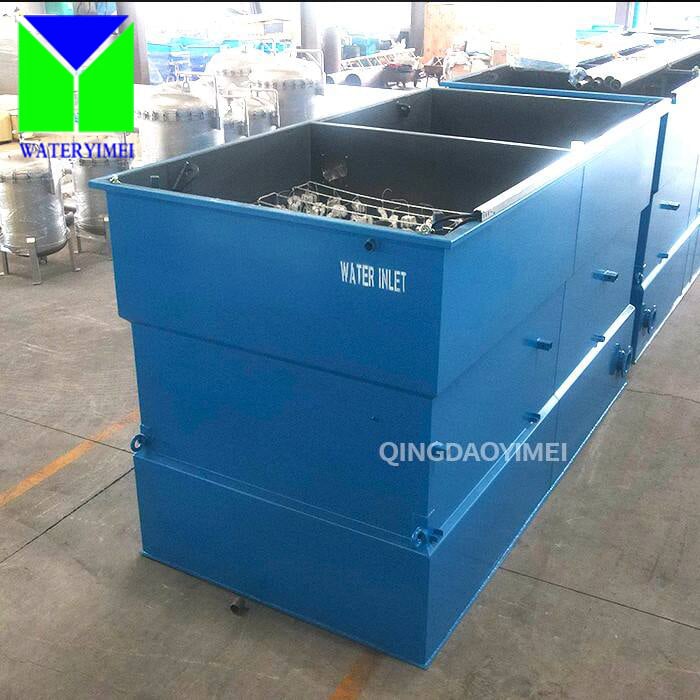
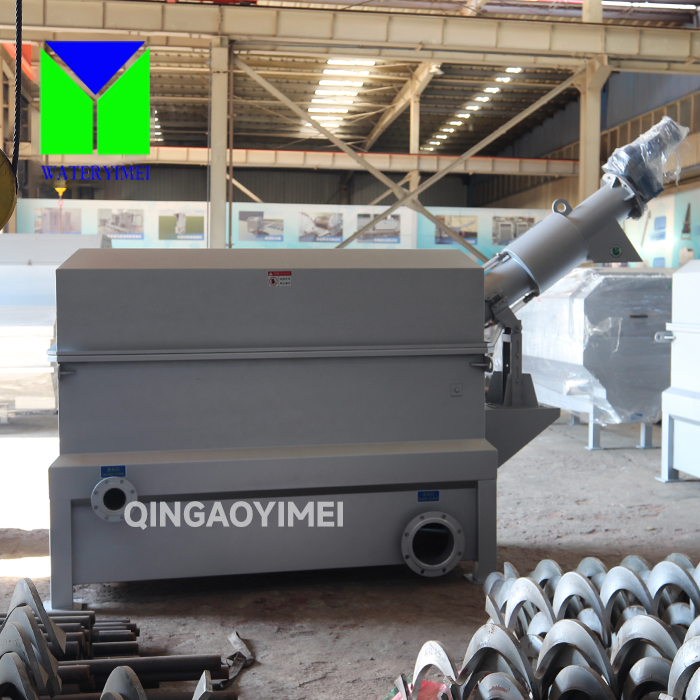
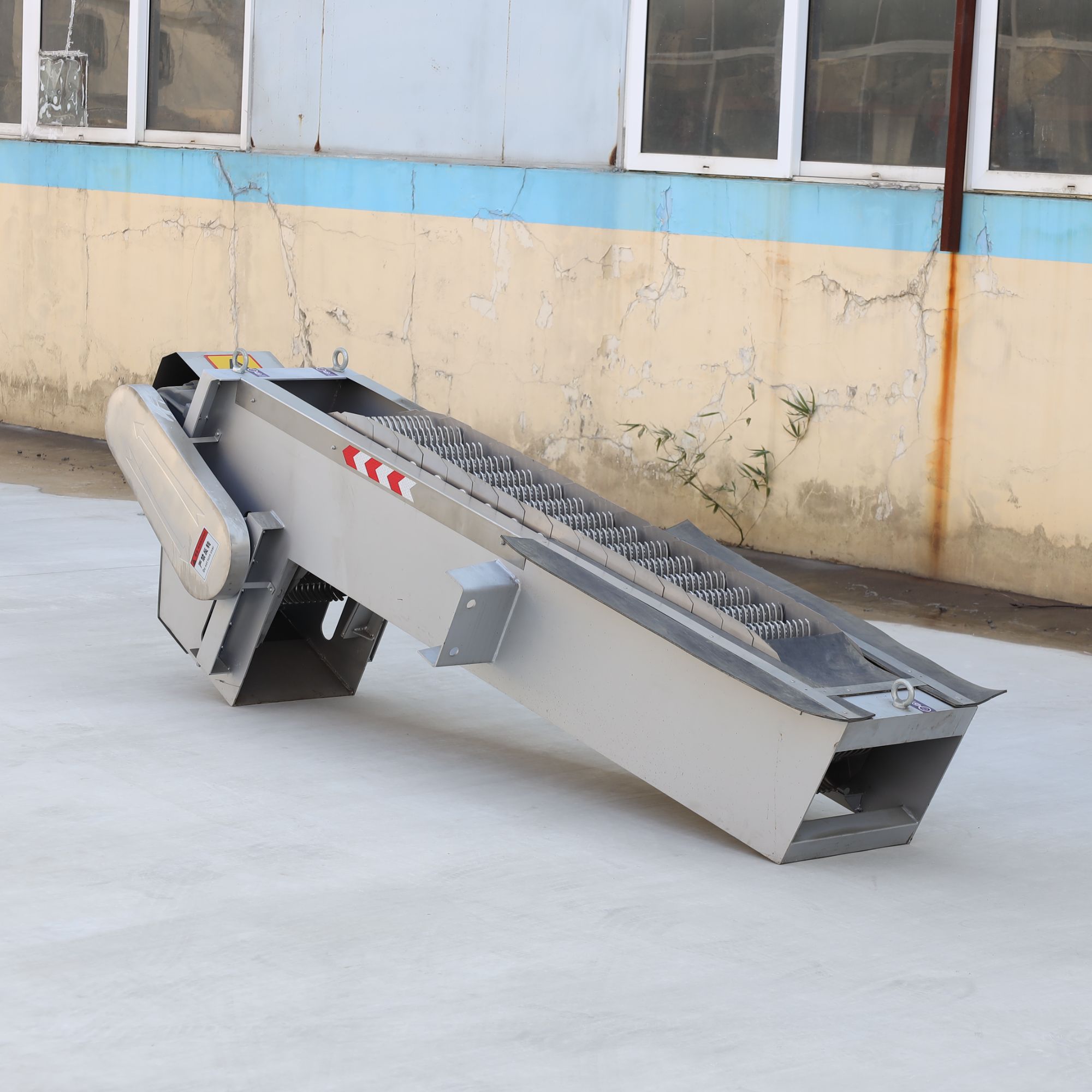
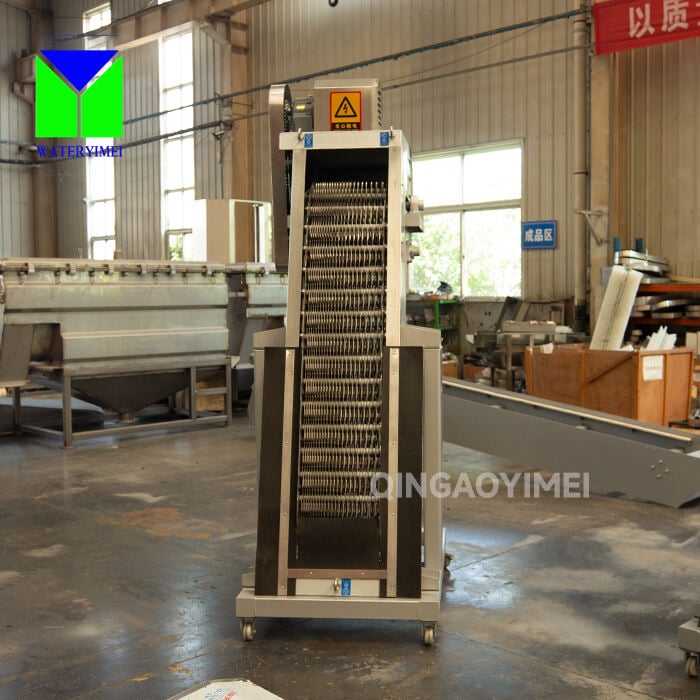
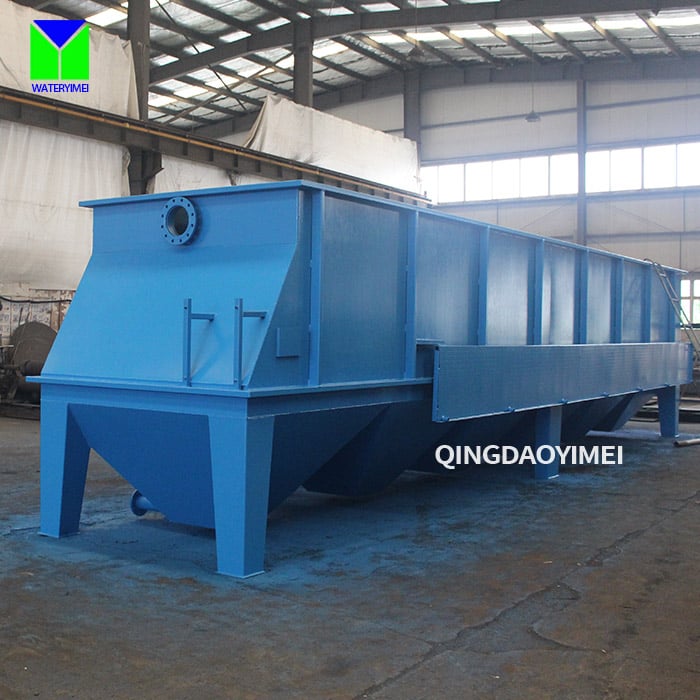
The foundation of any wastewater treatment system is the removal of large debris and suspended solids. This is typically achieved through screening, sedimentation, and gravity separation processes. Although these steps are basic, they are critical for preventing blockages and protecting downstream treatment equipment from damage.
2. Secondary Biological Treatment: Organic Pollutant Degradation
During this stage, wastewater undergoes biological treatment, where microorganisms break down organic matter through biological degradation processes. Activated sludge systems, biofilters, and sequencing batch reactors (SBR) are commonly used treatment methods in industrial and municipal wastewater treatment plants. These systems effectively remove biochemical oxygen demand (BOD), chemical oxygen demand (COD), and other organic pollutants.
3. Advanced Treatment
When stricter discharge standards must be met or challenging contaminants need to be removed, tertiary advanced treatment processes are required. These methods include filtration, ultraviolet (UV) disinfection, ozone or chlorine disinfection, membrane technologies (such as ultrafiltration and reverse osmosis), as well as chemical precipitation for heavy metal removal.
4. Innovative Solutions and Automation
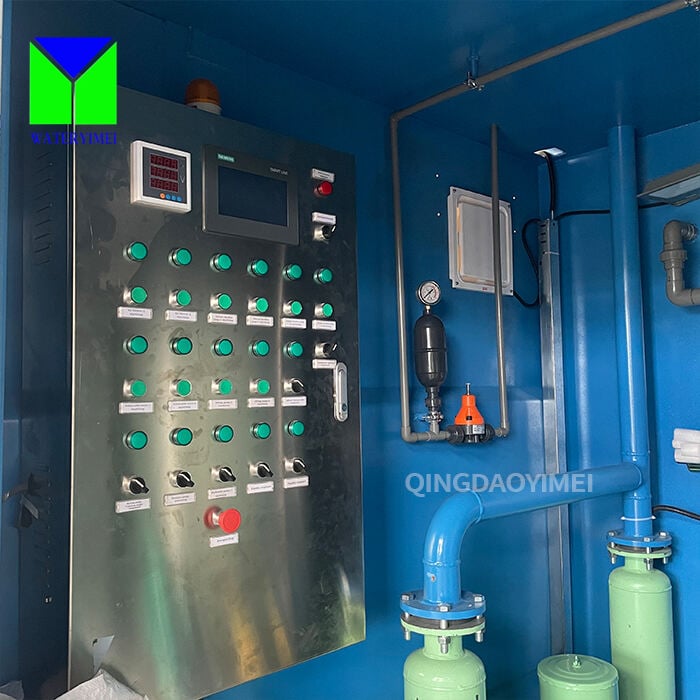
The wastewater treatment industry is rapidly moving toward intelligent and automated solutions. Smart sensors, AI-driven control technologies, and real-time data monitoring and analysis systems are becoming key drivers for improving operational efficiency. These advanced technologies continuously monitor water quality changes, provide accurate data support for operators, enable timely adjustments to treatment parameters, and allow rapid responses to abnormal conditions.
In addition, the development of modular and decentralized wastewater treatment systems enables small and medium-sized facilities, as well as remote areas beyond urban infrastructure networks, to implement effective wastewater treatment solutions on a larger scale.
Technology-Driven Solutions:
- MBBR (Moving Bed Biofilm Reactor) Process
- MBR (Membrane Bioreactor) Technology
- SBR (Sequencing Batch Reactor) Activated Sludge Process
- A/O and A²/O Conventional Activated Sludge Processes
Land Footprint Is Equally Important for Commercial Projects
For commercial real estate projects, land resources have a direct impact on investment returns. Every piece of land used for traditional wastewater treatment facilities could reduce the available space for parking areas, commercial amenities, or rentable areas, ultimately affecting potential revenue.
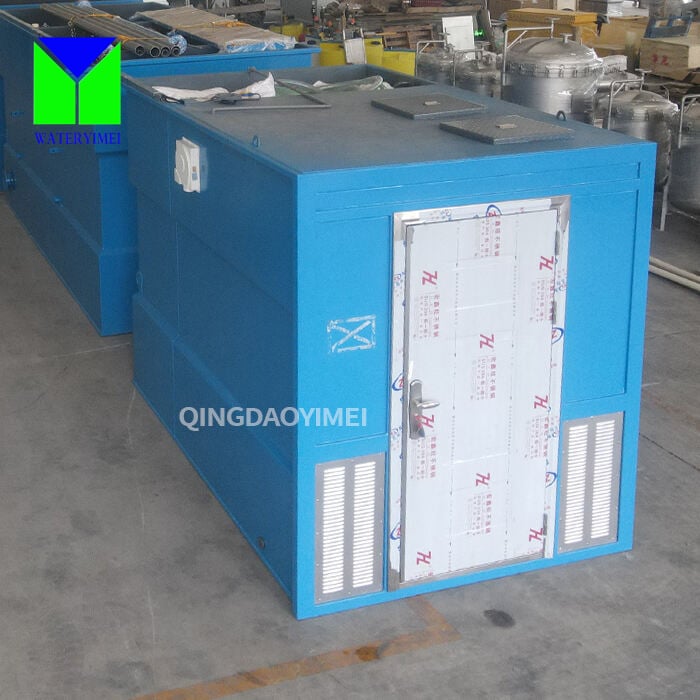
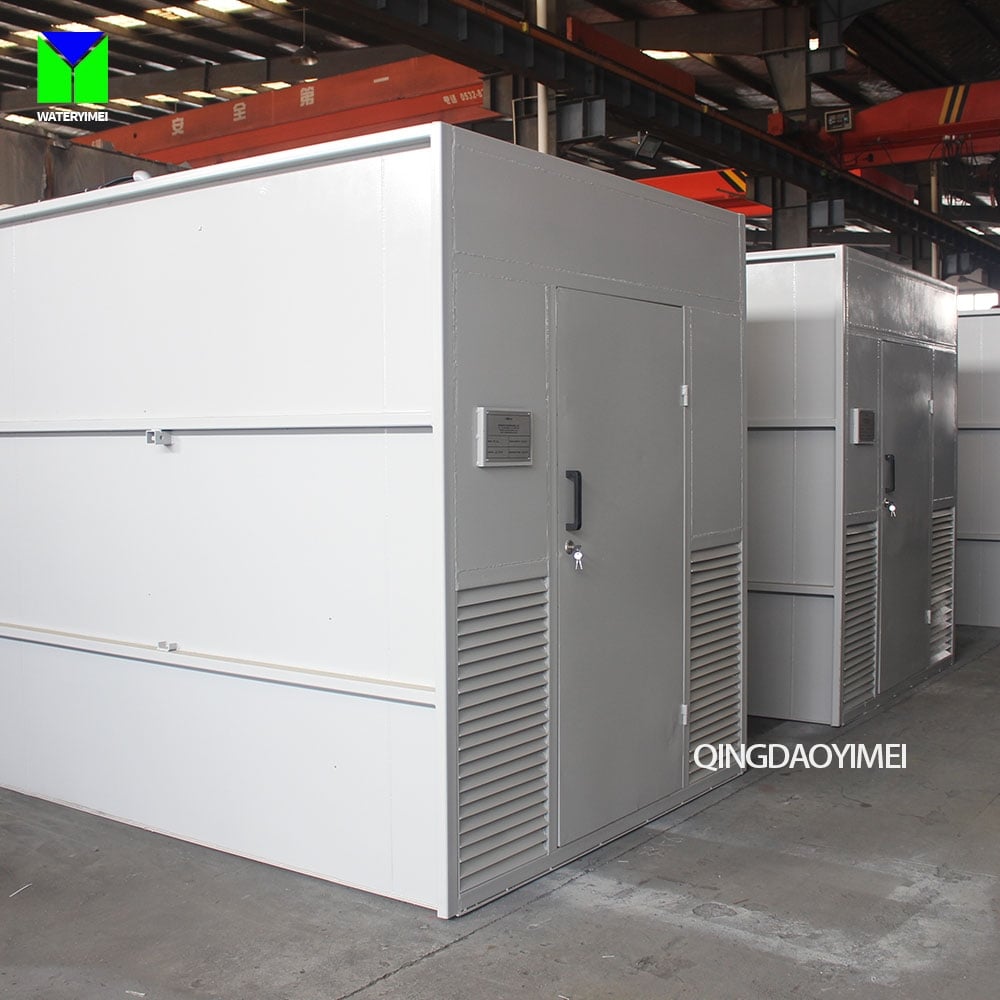
Our wastewater treatment systems feature a compact design and can be built in containerized or modular structures, significantly reducing space requirements. Meanwhile, with membrane separation technology replacing traditional large sedimentation tanks, the overall footprint is much smaller compared with conventional wastewater treatment plants.
For commercial projects developed in phases, modular MBBR/MBR wastewater treatment systems also provide flexible expansion capabilities. Additional treatment modules can be gradually added according to actual occupancy rates and increasing wastewater flow demand, avoiding excessive initial investment and unnecessary resource consumption.
From Wastewater to Asset Returns: Unlocking the Value of Reclaimed Water Resources
High-performance wastewater treatment systems open up more feasible pathways for efficient water reuse, enabling commercial water treatment equipment to move beyond being a pure cost expense and transform into a profitable unit capable of generating economic value independently.
Against the backdrop of increasing water scarcity, wastewater generated from industrial and commercial operations is no longer simply a burden that requires costly disposal. By applying mature water treatment technologies for purification and reuse, wastewater can be transformed into high-quality reclaimed water for recycling, truly achieving the transition from wastewater disposal costs to resource-based asset returns.
Through a complete water treatment process including pretreatment, biological degradation, and advanced filtration, enterprises can treat production wastewater to meet reuse standards and apply the reclaimed water in applications such as equipment cooling, site cleaning, production ingredient preparation, and landscape irrigation. This significantly reduces municipal freshwater purchase costs and lowers high wastewater discharge fees. In some applications, properly treated water resources can also be further optimized to recover valuable substances, expanding additional revenue opportunities.
This water recycling model not only meets environmental compliance requirements and avoids the risk of discharge penalties, but also continuously reduces water consumption and operation & maintenance costs over the long term. By efficiently utilizing wastewater that originally required paid disposal, discarded water resources can be transformed into valuable circulating assets that continuously create economic benefits.
Real Project Validation
Yimei has delivered MBBR-based wastewater treatment systems in Australia, Indonesia, and other regions, ranging from containerized wastewater treatment plants developed in phases to complete water recovery facilities. Explore our completed projects to discover systems similar to your facility requirements.
Frequently Asked Questions
How much space does a commercial wastewater treatment system require?
It depends on the flow rate and selected technology. Yimei wastewater treatment systems typically save 30% to 50% of land compared with traditional activated sludge treatment plants with the same treatment capacity. Small commercial systems can be fully containerized and installed within standard equipment areas.
Can treated commercial wastewater be used for irrigation?
Yes. The treated effluent can meet the required discharge standards based on specific needs and comply with water quality requirements for landscape and farm irrigation. We can add additional post-treatment processes when required.
Can you provide a turnkey wastewater treatment facility?
We provide integrated one-stop services covering design, manufacturing, operation, and maintenance, rather than only offering engineering design or construction services. With more than 28 years of wastewater treatment experience, Yimei is capable of independently completing every stage of the project.
Is investing in a commercial wastewater treatment system worthwhile?
For the vast majority of commercial projects, it is highly cost-effective. The equipment requires a small footprint and does not occupy profitable site space; reclaimed water recycling reduces water costs; stable effluent quality ensures easy compliance with environmental inspections. From the perspective of the entire project lifecycle, the long-term savings can fully offset the initial investment in membrane equipment.
Still looking for a wastewater treatment solution suitable for commercial projects? Yimei engineers select and customize the optimal complete system based on site conditions, wastewater flow, and treatment objectives. Contact Yimei for a free professional solution consultation.
 EN
EN
 AR
AR
 BG
BG
 CS
CS
 DA
DA
 NL
NL
 FI
FI
 FR
FR
 EL
EL
 HI
HI
 IT
IT
 JA
JA
 KO
KO
 NO
NO
 PL
PL
 PT
PT
 RO
RO
 RU
RU
 ES
ES
 TL
TL
 ID
ID
 UK
UK
 ET
ET
 TR
TR
 AF
AF
 GA
GA
 MK
MK
 BN
BN
 NE
NE
 KK
KK
 SU
SU
 UZ
UZ