 EN
 AR
 BG
 CS
 DA
 NL
 FI
 FR
 EL
 HI
 IT
 JA
 KO
 NO
 PL
 PT
 RO
 RU
 ES
 TL
 ID
 UK
 ET
 TR
 AF
 GA
 MK
 BN
 NE
 KK
 SU
 UZ


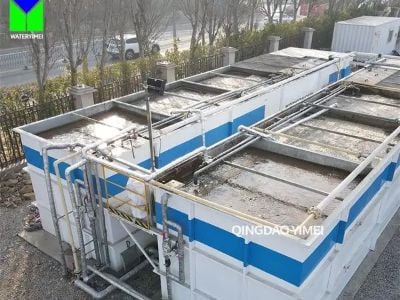
As global water demand continues to rise, sewage treatment plant vendors are adapting to meet these challenges by enhancing the efficiency and effectiveness of their water treatment solutions. This article explores how sewage treatment plant vendors, such as Qingdao Yimei Environment Project Co., Ltd., adjust their offerings to cater to increasing water demand while addressing the key concerns of B2B buyers including product quality, installation requirements, cost factors, common challenges, and advanced technologies.
Key Specifications for Evaluating Sewage Treatment Equipment Quality
When assessing sewage treatment equipment quality, several key specifications should be prioritized. These include treatment capacity, material durability, and system efficiency.
Treatment Capacity: This specification indicates the volume of wastewater that can be treated per day. Buyers should select equipment that aligns with their specific operational needs and anticipated future growth. Oversizing can lead to inefficiencies, while undersizing may result in regulatory non-compliance.
Material Durability: The materials used in construction such as stainless steel, fiberglass, or specialized plastics play a crucial role in the longevity and corrosion resistance of the equipment. Buyers should consider the chemical composition of the wastewater to ensure that the chosen materials will withstand exposure without degradation.
System Efficiency: Look for equipment that offers high removal rates for pollutants, such as Biological Oxygen Demand (BOD), Total Suspended Solids (TSS), and nutrients. An efficient sewage treatment systems reduces operational costs and helps meet environmental regulations.
Evaluating these specifications not only ensures compliance but also aligns with the buyer’s long-term operational strategy.
Understanding Installation Requirements for Wastewater Treatment Plants
Installation requirements for wastewater treatment plants can vary based on the system's complexity and the site conditions. Key considerations include:
Site Assessment: A thorough site evaluation is critical. Factors such as soil type, groundwater levels, and proximity to existing infrastructure should be assessed to determine the best location for the modern sewage plant.
Space and Layout: The layout of the equipment must accommodate all components, including tanks, pumps, and controls. Buyers should ensure adequate space for maintenance access and future expansions.
Utility Connections: Proper connections to power, water, and drainage systems are essential. Buyers should confirm that local utilities can support the installation and ongoing operation of the sewage treatment plant.
Compliance: Installation must meet local environmental regulations and building codes. Engaging with local authorities early in the process can mitigate potential delays.
A clear understanding of these requirements will aid buyers in making informed decisions and facilitate smoother project execution.
Cost Factors to Consider When Purchasing Sewage Treatment Equipment
Cost is often a primary concern for buyers, and several factors influence the total expense of sewage treatment equipment:
Initial Purchase Price: This includes the cost of the equipment itself, which can vary significantly based on the brand, technology, and specifications. Buyers should request detailed quotes that include all components necessary for operation.
Operational Costs: Consider ongoing costs such as energy consumption, maintenance, and labor. Energy-efficient systems may have higher upfront costs but can lead to substantial savings over time.
Installation and Commissioning: The costs associated with installation, including labor and any required infrastructure adjustments, should be factored into the budget. Buyers should seek quotes from multiple suppliers to compare installation offers.
Long-Term Maintenance: Understanding the maintenance needs of the equipment, including spare part availability and service agreements, can reveal hidden costs. Suppliers like Qingdao Yimei Environment Project Co., Ltd. emphasize the importance of reliable after-sales service to ensure long-term operational efficiency.
By carefully evaluating these cost factors, buyers can make more informed decisions that align with their budgetary constraints.
Common Problems in Water Treatment and Their Effective Solutions
Sewage treatment systems can encounter various operational challenges. Understanding these issues and their solutions is key for B2B buyers:
Clogging and Blockages: A common problem in treatment systems is clogging due to debris or biological matter. Implementing pre-treatment screening can prevent larger particles from entering the system and reduce maintenance needs.
Inefficient Treatment: If the system is not achieving desired treatment levels, it may be due to improper aeration or insufficient retention time. Regular monitoring and adjustments to the aeration process can enhance performance.
Odor Control: Odors can arise from anaerobic conditions. Installing odor control systems, such as biofilters or chemical scrubbers, can mitigate this issue effectively.
Equipment Failure: Regular maintenance and inspection can prevent unexpected failures. Buyers should establish a preventive maintenance schedule with their suppliers to ensure optimal performance.
By recognizing these common problems and implementing proactive solutions, buyers can enhance the reliability of their sewage treatment operations.
Applications of Advanced Sewage Treatment Technologies in Industry
Advanced sewage treatment technologies are increasingly being adopted across various industries, driven by the need for improved efficiency and compliance with environmental regulations. Notable applications include:
Industrial Wastewater Treatment: Many industries, such as pharmaceuticals and food processing, generate complex wastewater that requires specialized treatment. Technologies like membrane bioreactors (MBRs) enable effective separation and treatment of contaminants.
Municipal Wastewater Treatment: Technologies such as activated sludge systems and sequencing batch reactors (SBR) are commonly used in municipal plants to enhance treatment capabilities and reduce energy consumption.
Recycling and Reuse: Advanced technologies facilitate the recycling of treated water for non-potable uses, such as irrigation or industrial processes. This approach is crucial in areas facing water scarcity.
Decentralized Treatment Systems: Smaller, modular systems are gaining popularity in remote or underserved areas, providing flexible solutions that can be scaled up or down based on demand.
By leveraging these advanced technologies, businesses can not only comply with regulations but also contribute to sustainable water management practices.
In summary, as sewage treatment plant vendors respond to growing water demand, the focus on quality specifications, installation requirements, cost factors, common challenges, and advanced technologies becomes increasingly vital. B2B buyers should consider these aspects to ensure they are making informed purchasing decisions that align with their operational needs and sustainability goals.
Table of Contents
- Key Specifications for Evaluating Sewage Treatment Equipment Quality
- Understanding Installation Requirements for Wastewater Treatment Plants
- Cost Factors to Consider When Purchasing Sewage Treatment Equipment
- Common Problems in Water Treatment and Their Effective Solutions
- Applications of Advanced Sewage Treatment Technologies in Industry