 EN
EN
 AR
AR
 BG
BG
 CS
CS
 DA
DA
 NL
NL
 FI
FI
 FR
FR
 EL
EL
 HI
HI
 IT
IT
 JA
JA
 KO
KO
 NO
NO
 PL
PL
 PT
PT
 RO
RO
 RU
RU
 ES
ES
 TL
TL
 ID
ID
 UK
UK
 ET
ET
 TR
TR
 AF
AF
 GA
GA
 MK
MK
 BN
BN
 NE
NE
 KK
KK
 SU
SU
 UZ
UZ


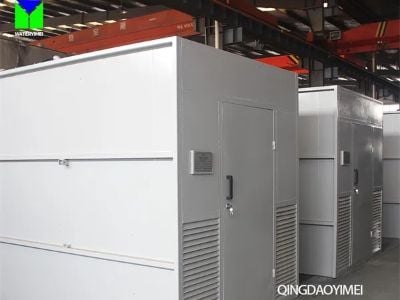
Understanding the various factors that set apart leading sewage treatment plant vendors in global markets is crucial for buyers looking to invest in reliable and efficient wastewater management solutions. This article will explore how to evaluate the quality and reliability of sewage treatment plants, where to source them, how to effectively compare vendors, the cost factors involved, and their applications across different industries. With the right knowledge, purchasing managers, engineers, and product managers can make informed decisions that align with their operational needs.
How to Evaluate Sewage Treatment Plant Quality and Reliability?
When evaluating sewage treatment plants, quality and reliability are paramount. Buyers should begin by examining the specifications of the systems, including their design, materials, and performance metrics. A reputable sewage water treatment vendor will provide detailed documentation such as performance guarantees, testing results, and certifications that validate the product’s efficiency and effectiveness.
Moreover, it is crucial to consider the manufacturing capabilities of the vendor. Established companies like Qingdao Yimei Environment Project Co., Ltd., with over 30 years in the industry, typically have robust quality control processes in place. Buyers should inquire about these processes, including how the vendor tests their equipment, the standards they adhere to, and their history of successful installations across various environments.
Another critical factor is the after-sales service provided by the vendor. Reliable vendors often have local branches to ensure prompt servicing and easy access to spare parts, which significantly reduces downtime in case of equipment failure. Buyers should assess the vendor's reputation in the market, looking for customer reviews and testimonials to gauge their reliability.
Where to Source Wholesale Sewage Treatment Plant Solutions?
Sourcing wholesale sewage treatment plant solutions requires strategic planning and research. Buyers can begin by exploring well-established manufacturers and distributors who specialize in environmental technology. Companies that participate in industry trade shows are also valuable resources, as they often showcase their latest innovations and provide firsthand demonstrations of their products.
Another effective method is leveraging industry networks and professional associations, which can provide recommendations for reputable vendors. Platforms like LinkedIn and specialized industry forums can be useful for connecting with other professionals who have experience sourcing treatment plants.
When considering sourcing options, buyers should also evaluate the geographical location of the vendor. Proximity can influence shipping costs and lead times, as well as the availability of local service support. Vendors with a strong export history, like Qingdao Yimei, can often handle international shipping logistics more efficiently, ensuring timely delivery of equipment.
How to Compare Sewage Treatment Plant Vendors Effectively?
To effectively compare sewage treatment plant vendors, buyers should develop a clear set of criteria that reflects their specific needs. Key factors to consider include:
Product Specifications: Compare the technical specifications of the sewage treatment plants, including treatment capacity, energy consumption, and material types. Ensure that the systems meet the regulatory standards required for your region.
Customization Options: Assess whether the vendor can provide customized solutions tailored to your operational needs. Leading vendors often offer flexibility in design and functionality, allowing for adjustments based on specific site conditions.
Pricing and Payment Terms: Obtain detailed quotes from multiple vendors to compare pricing structures. Pay attention to what is included in the price, such as warranties, installation services, and ongoing modern sewage treatment support.
Lead Times: Inquire about the expected delivery times and any potential delays. Vendors with established manufacturing protocols and local support can often provide shorter lead times.
After-Sales Support: Evaluate the level of customer support offered post-purchase. Reliable vendors not only provide installation but also ongoing maintenance and technical assistance.
By creating a comprehensive comparison matrix, buyers can objectively assess which vendor aligns best with their project requirements.
Understanding Cost Factors for Sewage Treatment Plant Purchases
When budgeting for sewage treatment plants, various cost factors must be taken into account. The initial purchase price is only one aspect; ongoing operational and maintenance costs play a significant role in the total cost of ownership.
Initial Costs: This includes the price of the sewage treatment plant, shipping, and installation expenses. Buyers should request detailed quotations that outline all associated costs.
Operational Costs: Consider the energy consumption and chemical usage required for operation. Efficient systems can significantly reduce these ongoing costs, making them more economically viable in the long run.
Maintenance Costs: Regular maintenance is essential to ensure optimal performance. Buyers should inquire about the anticipated maintenance frequency and costs, including the availability and pricing of replacement parts.
Regulatory Compliance Costs: Depending on the jurisdiction, there may be additional costs associated with ensuring compliance with local environmental regulations. Vendors should provide documentation that demonstrates how their solutions meet these requirements.
Understanding these cost factors helps buyers make informed decisions and select solutions that align with their financial and operational objectives.
Applications of Sewage Treatment Plants in Various Industries
Sewage treatment plants are versatile solutions applicable in various industries, each with distinct requirements and challenges. For instance:
Municipal Wastewater Treatment: Municipalities often utilize large-scale sewage treatment plants to manage urban wastewater. These plants must handle varying loads and meet strict regulatory standards for discharge.
Industrial Applications: Industries such as food processing, pharmaceuticals, and textiles generate significant wastewater and require specialized treatment plants designed to handle specific contaminants. Customization is often necessary to meet unique industry needs.
Agriculture: In agricultural settings, sewage treatment plants can be integrated with biogas systems to convert waste into renewable energy, providing substantial economic benefits.
Construction Sites: Temporary sewage treatment solutions are often employed at construction sites to manage wastewater effectively. These plants are designed for quick setup and portability.
By understanding the specific applications and challenges in different sectors, buyers can better align their needs with the appropriate sewage treatment solutions. Each industry presents unique demands that can significantly influence the selection process.
Understanding what differentiates leading sewage treatment plant vendors in global markets can empower buyers to make informed decisions. By considering factors such as quality, sourcing strategies, effective vendor comparison, cost factors, and industry applications, purchasing managers can ensure they select the most suitable solutions for their operational needs.
Table of Contents
- How to Evaluate Sewage Treatment Plant Quality and Reliability?
- Where to Source Wholesale Sewage Treatment Plant Solutions?
- How to Compare Sewage Treatment Plant Vendors Effectively?
- Understanding Cost Factors for Sewage Treatment Plant Purchases
- Applications of Sewage Treatment Plants in Various Industries