 EN
EN
 AR
AR
 BG
BG
 CS
CS
 DA
DA
 NL
NL
 FI
FI
 FR
FR
 EL
EL
 HI
HI
 IT
IT
 JA
JA
 KO
KO
 NO
NO
 PL
PL
 PT
PT
 RO
RO
 RU
RU
 ES
ES
 TL
TL
 ID
ID
 UK
UK
 ET
ET
 TR
TR
 AF
AF
 GA
GA
 MK
MK
 BN
BN
 NE
NE
 KK
KK
 SU
SU
 UZ
UZ


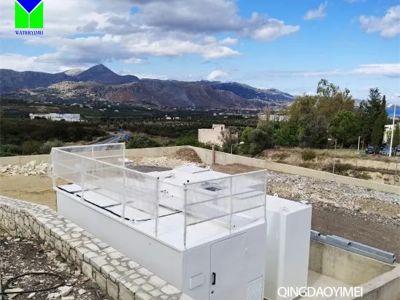
Advanced Oxidation Processes (AOPs) play a crucial role in modern wastewater treatment by effectively breaking down organic contaminants and improving water quality. B2B buyers in the manufacturing, industrial, and environmental sectors often seek reliable solutions to address complex wastewater challenges. This article will explore the significance of AOPs, how to choose the right technology, quality assurance considerations, common problems in wastewater treatment system, and where to source equipment for effective implementation.
The Importance of Advanced Oxidation Processes in Waste Water Treatment
Advanced Oxidation Processes are designed to generate highly reactive hydroxyl radicals that can effectively decompose a wide range of organic pollutants, including pharmaceuticals, pesticides, and industrial chemicals. The significance of AOPs lies in their ability to treat wastewater that traditional methods often struggle with. By utilizing techniques such as ozone oxidation, hydrogen peroxide, and UV light, AOPs enhance the oxidation potential of water treatment systems.
For B2B buyers, understanding the importance of AOPs is essential for ensuring compliance with environmental regulations and improving overall operational efficiency. Implementing AOPs can lead to reduced chemical costs, lower energy consumption, and a smaller environmental footprint. Additionally, the capability to treat resistant contaminants enhances the overall value of wastewater treatment systems, making them more attractive for companies looking to invest in sustainable practices.
How to Choose the Right AOP Technology for Your Waste Water Needs?
Selecting the appropriate AOP technology requires careful consideration of various factors, including the specific contaminants present in the wastewater, the required treatment capacity, and the operational environment. Common AOP technologies include:
Ozone-based systems: Effective for oxidizing organic compounds, ozone can be generated on-site and is particularly useful for treating industrial effluents.
Hydrogen peroxide-based processes: Often used in conjunction with UV light, this method is effective for breaking down complex organic molecules.
Fenton's reagent: A mixture of hydrogen peroxide and iron salts, this method is excellent for treating wastewater with high concentrations of organic pollutants.
When choosing an AOP, buyers should assess the operational costs, maintenance requirements, and the technology’s compatibility with existing wastewater treatment systems. Consulting with a manufacturer like Qingdao Yimei Environment Project Co., Ltd. can provide valuable insights into which AOP technology aligns best with specific wastewater plants goals.
Quality Assurance in Advanced Oxidation Processes for Waste Water Treatment
Quality assurance in AOP implementation is critical to ensuring consistent performance and compliance with environmental standards. Buyers should consider several quality assurance measures:
Material Selection: The materials used in fabricating AOP equipment must be resistant to corrosion and degradation, especially when exposed to reactive chemicals. Stainless steel and high-grade plastics are commonly used for their durability.
Manufacturing Standards: Ensure that the equipment is manufactured according to international standards, such as ISO certifications, which can indicate a commitment to quality and reliability.
Testing Procedures: Before full-scale implementation, it is advisable to conduct thorough testing of the AOP system under actual operating conditions. This helps identify any potential issues with performance and allows for adjustments.
After-sales Support: Partnering with a supplier that offers robust after-sales support and access to spare parts can greatly enhance the longevity and effectiveness of AOP systems.
By prioritizing these quality assurance measures, buyers can mitigate risks and achieve optimal results from their wastewater treatment processes.
Common Problems in Waste Water Treatment and AOP Solutions
Wastewater treatment facilities often face various challenges, such as the presence of persistent organic pollutants, fluctuating contaminant loads, and system inefficiencies. Some common problems include:
Incomplete pollutant degradation: Traditional methods may not fully remove all contaminants, leading to potential environmental violations. AOPs can effectively address this issue by breaking down even the most resistant compounds.
High operational costs: Inefficient systems can lead to increased chemical and energy expenses. AOPs, especially when integrated into existing systems, can reduce these costs by minimizing the need for additional chemicals.
Fluctuating inflow quality: Variations in wastewater composition can challenge treatment processes. AOPs can adapt to changing contaminant levels, ensuring consistent treatment performance.
By implementing AOP technologies, buyers can effectively resolve these common issues, leading to improved water quality and compliance with regulatory standards.
Where to Source Reliable Advanced Oxidation Processes Equipment?
When sourcing AOP equipment, B2B buyers should consider suppliers with a proven track record in the environmental protection and water treatment sectors. Qingdao Yimei Environment Project Co., Ltd. offers a wide range of AOP wastewater solutions tailored to various applications. Here are some key factors to consider when choosing a supplier:
Experience and Expertise: Look for manufacturers with a long history in the industry. Established companies are more likely to have the necessary experience to provide reliable solutions.
Customization Capabilities: Depending on specific wastewater treatment needs, buyers may require customized solutions. Suppliers that offer tailored equipment can better address unique challenges.
Global Reach: A supplier with an international presence can provide insights into global standards and best practices, ensuring compliance with regulations.
Technical Support: Ensure that the supplier offers comprehensive technical support and training for the installation and operation of AOP systems.
By evaluating these factors, buyers can find a reliable source for advanced oxidation equipment that meets their wastewater treatment needs effectively.
Table of Contents
- The Importance of Advanced Oxidation Processes in Waste Water Treatment
- How to Choose the Right AOP Technology for Your Waste Water Needs?
- Quality Assurance in Advanced Oxidation Processes for Waste Water Treatment
- Common Problems in Waste Water Treatment and AOP Solutions
- Where to Source Reliable Advanced Oxidation Processes Equipment?