 EN
EN
 AR
AR
 BG
BG
 CS
CS
 DA
DA
 NL
NL
 FI
FI
 FR
FR
 EL
EL
 HI
HI
 IT
IT
 JA
JA
 KO
KO
 NO
NO
 PL
PL
 PT
PT
 RO
RO
 RU
RU
 ES
ES
 TL
TL
 ID
ID
 UK
UK
 ET
ET
 TR
TR
 AF
AF
 GA
GA
 MK
MK
 BN
BN
 NE
NE
 KK
KK
 SU
SU
 UZ
UZ


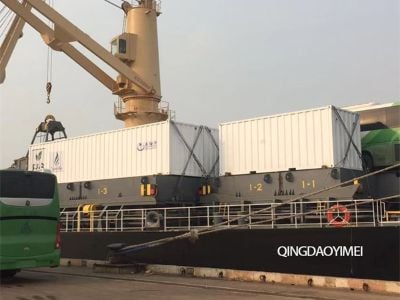
Wastewater treatment is a crucial process for industries striving to meet environmental compliance standards. This process involves the treatment of wastewater generated during manufacturing activities, ensuring that harmful pollutants are removed before discharge. For purchasing managers and engineers, understanding how wastewater treatment supports industrial compliance requirements is vital to selecting the right equipment and solutions. This article will delve into the importance of wastewater treatment, key specifications for wastewater equipment, selection criteria, common challenges faced in treatment processes, and the financial aspects of system installation.
How Wastewater Treatment Ensures Industrial Compliance Standards?
Industries are subject to stringent environmental regulations aimed at minimizing pollution and protecting water resources. Wastewater treatment plays a pivotal role in ensuring compliance with these regulations by effectively removing contaminants from industrial effluents. This treatment process is governed by local and international standards, such as the Clean Water Act in the United States and the European Water Framework Directive, which set limits on pollutants and discharge practices.
Failure to comply with these regulations can result in hefty fines, operational shutdowns, and damage to a company’s reputation. By investing in advanced wastewater treatment systems, industries can not only avoid legal repercussions but also promote sustainable practices that enhance their corporate image. Manufacturers like Qingdao Yimei Environment Project Co., Ltd. offer over 130 types of wastewater treatment equipment designed to meet varying compliance requirements across different regions, ensuring that businesses can effectively manage their wastewater while adhering to legal standards.
Key Specifications for Wastewater Treatment Equipment in Industry
When selecting wastewater treatment equipment, several key specifications must be considered to ensure optimal performance and compliance.
Flow Rate: The flow rate indicates the volume of wastewater the system can handle per unit of time. It is essential to select equipment that matches the specific flow requirements of the facility.
Contaminant Removal Efficiency: Different treatment technologies (e. g., biological, chemical, physical) offer varying levels of efficiency in removing specific contaminants. Knowing the types of pollutants present in wastewater such as heavy metals, organic compounds, or suspended solids will influence the choice of technology.
Treatment Capacity: The capacity of the equipment should align with both current and future operational needs. This includes considering peak loads during production spikes.
Material of Construction: Wastewater treatment systems must be durable and resistant to corrosion, particularly when handling aggressive chemicals. Common materials include stainless steel and high-density polyethylene (HDPE), which are suitable for various types of wastewater.
Automation and Monitoring Features: Advanced systems may offer automated controls and monitoring capabilities to optimize the treatment process and ensure compliance in real-time. These features can significantly reduce manual oversight and improve efficiency.
Understanding these specifications helps buyers evaluate wastewater treatment solutions effectively and select the best fit for their operational needs.
Choosing the Right Wastewater Treatment Solutions for Your Business
Selecting the appropriate wastewater treatment solution involves a thorough assessment of the specific needs of your business, including the nature of the wastewater, regulatory requirements, and budget constraints.
Assess Wastewater Characteristics: Conducting a comprehensive analysis of the wastewater is crucial. This includes identifying the contaminants present, their concentrations, and the desired effluent quality for discharge or reuse.
Evaluate Treatment Technologies: Different technologies such as activated sludge, membrane bioreactors, and advanced oxidation processes offer various advantages and disadvantages. A technology that works well for one type of wastewater may not be suitable for another.
Consider Customization Options: Many manufacturers, including Qingdao Yimei, offer customization capabilities to tailor systems to specific requirements. This can include adjustments in size, materials, and operational features that align with unique industrial processes.
Total Cost of Ownership: Beyond initial equipment costs, buyers should evaluate the total cost of ownership. This includes maintenance, energy consumption, and potential costs associated with downtime or inefficiencies.
By carefully considering these factors, businesses can make informed decisions that align with their operational goals and compliance requirements.
Common Challenges in Wastewater Treatment and Effective Solutions
Wastewater treatment systems often encounter various challenges during operation. Understanding these challenges and implementing effective solutions is key to maintaining compliance and operational efficiency.
Variable Wastewater Quality: Fluctuations in wastewater quality can lead to treatment inefficiencies. Implementing pre-treatment processes to stabilize wastewater characteristics can mitigate this issue.
System Overloading: Overloading can occur due to sudden spikes in wastewater flow or contaminants. To address this, businesses should design systems with adequate capacity and incorporate buffer tanks to manage peak loads.
Maintenance and Downtime: Regular maintenance is essential to prevent system failures. Establishing a maintenance schedule and utilizing monitoring technology can help identify issues before they escalate, ensuring continuous operation.
Regulatory Changes: Adapting to changes in environmental regulations can be challenging. Keeping abreast of regulatory updates and working closely with waste water equipment suppliers to ensure compliance with new standards is vital.
By proactively addressing these common challenges, industries can enhance the reliability of their wastewater treatment systems and avoid compliance issues.
Understanding the Costs of Wastewater Treatment System Installation
Investing in a wastewater treatment system involves several cost considerations that extend beyond the purchase price of the equipment. Understanding these costs is essential for effective budgeting and financial planning.
Initial Capital Costs: This includes the cost of the equipment itself, installation, and any necessary infrastructure modifications. It's important to obtain detailed quotes from suppliers to ensure all aspects are covered.
Operational Costs: Regular operating expenses include energy consumption, chemical usage for treatment, and routine maintenance. Evaluating the energy efficiency of the system can lead to significant long-term savings.
Regulatory Compliance Costs: Industries must also consider costs associated with ensuring compliance, such as monitoring equipment and potential fines for non-compliance. Investing in reliable technology can reduce the risk of incurring these costs.
Training and Staffing: Adequate training for personnel operating the treatment system is essential. This may involve additional costs for training programs or hiring qualified staff.
Financing Options: Exploring financing options, including leasing or government grants for environmental projects, can help manage upfront costs and make investing in wastewater treatment more feasible.
Understanding these cost factors allows businesses to plan effectively and ensure they have the resources necessary for a successful wastewater treatment implementation while maintaining compliance with industrial standards.
Table of Contents
- How Wastewater Treatment Ensures Industrial Compliance Standards?
- Key Specifications for Wastewater Treatment Equipment in Industry
- Choosing the Right Wastewater Treatment Solutions for Your Business
- Common Challenges in Wastewater Treatment and Effective Solutions
- Understanding the Costs of Wastewater Treatment System Installation