 EN
 AR
 BG
 CS
 DA
 NL
 FI
 FR
 EL
 HI
 IT
 JA
 KO
 NO
 PL
 PT
 RO
 RU
 ES
 TL
 ID
 UK
 ET
 TR
 AF
 GA
 MK
 BN
 NE
 KK
 SU
 UZ


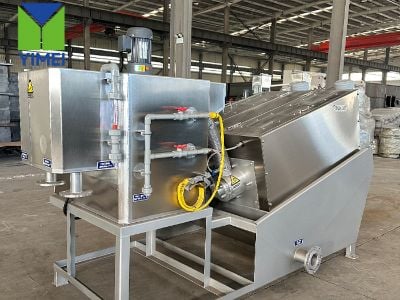
Investing in advanced sludge dewatering machines has become a priority for many industrial facilities aiming to enhance their wastewater management processes. These machines play a crucial role in separating water from sludge, leading to reduced disposal costs and improved environmental compliance. Buyers typically seek information on product specifications, technology options, and installation guidance, making it essential to understand these factors before making a purchasing decision. This article will provide insights into why industrial facilities are increasingly turning to these advanced sludge sewage treatment machines and what buyers need to know to make informed choices.
Key Specifications to Consider When Selecting Sludge Dewatering Equipment
When selecting sludge dewatering equipment, there are several key specifications that buyers should prioritize. First, the machine’s capacity is paramount; it should align with the volume of sludge generated in your facility. This is often measured in cubic meters per hour (m³/h) and can vary significantly depending on the application.
Another vital specification is the type of dewatering technology used. Common technologies include belt filter presses, centrifuges, and screw presses, each with unique operational characteristics. For example, belt filter presses are often chosen for their simplicity and cost-effectiveness, while centrifuges provide higher efficiency and better performance for difficult sludge types.
Additionally, the material composition of the equipment should be considered. Machines made of corrosion-resistant materials like stainless steel offer durability and longevity, especially in harsh chemical environments. Buyers should also verify energy consumption metrics, as efficient machines can lead to substantial cost savings over time.
How to Evaluate the Quality of Sludge Dewatering Equipment?
Evaluating the quality of sludge dewatering equipment involves a comprehensive approach to inspection and testing. Start by reviewing the manufacturer's reputation and certifications. Established companies, such as Qingdao Yimei Environment Project Co., Ltd., often have extensive experience and a track record of reliability, which is crucial for ensuring product quality.
Once you identify potential suppliers, request detailed specifications and performance data. Pay attention to the sludge dewatering equipment operational efficiency, which can be gauged by metrics such as the percentage of dry solids achieved and the overall recovery rate of water. It's advisable to ask for references or case studies from existing clients to understand how the machinery performs in real-world applications.
Finally, consider the after-sales service and support offered by the manufacturer. A robust support system for installation, maintenance, and troubleshooting can significantly affect the operational success of the equipment.
Installation Guidance for Advanced Sludge Dewatering Systems
Proper installation of advanced sludge dewatering systems is critical for optimal performance. Begin by assessing the site conditions to ensure compatibility with the equipment dimensions and operational requirements. Preparation may include structural reinforcements, drainage systems, and electrical setups that comply with safety standards.
During installation, follow the manufacturer's guidelines meticulously. Key aspects include correctly aligning the machine components, ensuring proper sealing to prevent leaks, and integrating the equipment into existing wastewater treatment processes. Additionally, conducting a thorough inspection post-installation is vital to identify any potential issues before the system goes live.
Finally, training staff on the operational protocols and maintenance requirements is essential for maximizing the lifespan and efficiency of the equipment. This includes regular checks for wear and tear and understanding the machine's operational limits.
Applications of Advanced Sludge Dewatering Machines in Industry
Advanced sludge dewatering machines are applicable across various industries, including municipal wastewater treatment, food processing, pharmaceuticals, and chemical manufacturing. In municipal settings, these sludge treatment equipment help reduce the volume of sludge that must be transported and disposed of, which lowers both costs and environmental impact.
In food processing, the dewatering of organic waste not only minimizes disposal costs but also allows for potential recovery of resources, such as biogas. Similarly, the pharmaceutical and chemical industries benefit from advanced dewatering technologies to manage hazardous sludge, ensuring compliance with stringent environmental regulations.
The versatility of these machines makes them a valuable investment for facilities looking to improve their waste management practices while enhancing sustainability efforts.
Comparing Different Sludge Dewatering Technologies for Better Choices
When choosing a sludge dewatering machine, it's essential to compare the various technologies available. Belt filter presses offer a balance of cost-effectiveness and operational simplicity, making them suitable for many applications. However, they may struggle with high-fat or fibrous sludges, which can lead to increased maintenance needs.
Centrifuges, on the other hand, excel in processing challenging sludge types, achieving higher dry solids content and greater efficiency. Yet, they often come with a higher initial investment and operational costs.
Screw presses are known for their compact design and ability to handle a wide range of sludge types, including those with high solids content. They require less maintenance than other technologies, but their performance can vary based on the specific application.
Ultimately, the best choice depends on evaluating the specific needs of your facility, including sludge composition, volume, and budget constraints. Consulting with experienced manufacturers can provide valuable insights tailored to your operational requirements.
Table of Contents
- Key Specifications to Consider When Selecting Sludge Dewatering Equipment
- How to Evaluate the Quality of Sludge Dewatering Equipment?
- Installation Guidance for Advanced Sludge Dewatering Systems
- Applications of Advanced Sludge Dewatering Machines in Industry
- Comparing Different Sludge Dewatering Technologies for Better Choices