 EN
EN
 AR
AR
 BG
BG
 CS
CS
 DA
DA
 NL
NL
 FI
FI
 FR
FR
 EL
EL
 HI
HI
 IT
IT
 JA
JA
 KO
KO
 NO
NO
 PL
PL
 PT
PT
 RO
RO
 RU
RU
 ES
ES
 TL
TL
 ID
ID
 UK
UK
 ET
ET
 TR
TR
 AF
AF
 GA
GA
 MK
MK
 BN
BN
 NE
NE
 KK
KK
 SU
SU
 UZ
UZ


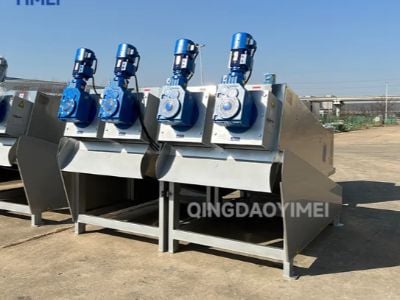
The integration of screw dehydrator technology into modern sludge treatment plants represents a significant advancement in wastewater management. Screw dehydrators are essential for efficiently removing excess water from sludge, leading to reduced disposal costs and improved handling of waste materials. As a B2B buyer whether you are a purchasing manager, engineer, or product manager you may have questions about the operational efficiency, installation, and applications of screw dehydrators. This article will provide you with insights into how screw dehydrator technology enhances sludge treatment efficiency, reliable suppliers, installation guidance, practical applications in wastewater management, and quality control measures in manufacturing.
How Screw Dehydrator Technology Enhances Sludge Treatment Efficiency
Screw dehydrator technology is designed to optimize the dewatering process of sludge, which is a byproduct of wastewater treatment. By leveraging a continuous operation mechanism, these machines effectively separate water from solids, achieving high levels of dryness. This results in a reduction in the volume of sludge, which is crucial for minimizing disposal costs and improving the overall sustainability of wastewater treatment operations.
One of the key advantages of screw dehydrator is their ability to handle varying sludge characteristics, including organic and inorganic materials. The design of the screw mechanism allows for consistent pressure application, which enhances the efficiency of solid-liquid separation. Additionally, many models are equipped with advanced control systems that monitor and adjust operating parameters in real-time, ensuring optimal performance regardless of fluctuations in sludge composition.
For B2B buyers, it is essential to evaluate the specifications of the screw dehydrator, such as throughput capacity, energy consumption, and the final moisture content of the dewatered cake. Understanding these factors will help you choose a model that aligns with your operational requirements and budget constraints.
Reliable Suppliers for Screw Dehydrators
When considering the purchase of screw dehydrators, selecting a reliable supplier is crucial. Look for manufacturers with a proven track record in the industry, such as Qingdao Yimei Environment Project Co., Ltd., which has been specializing in environmental protection and water treatment equipment since 1988. A reputable supplier will not only provide high-quality products but also offer comprehensive technical support and after-sales service.
Evaluate potential suppliers based on their manufacturing capabilities, certifications, and customer feedback. A quality manufacturer will have robust quality control processes in place, ensuring that each unit meets industry standards for performance and reliability. Additionally, inquire about the availability of spare parts and the supplier’s ability to provide customization options to meet specific application needs.
Furthermore, consider suppliers that have a global presence, which can facilitate easier communication and logistics, especially if your operations involve international trade.
Installation Guidance for Optimal Performance of Screw Dehydrators
Proper installation of screw dehydrators is critical to achieving optimal performance. It is advisable to work closely with the manufacturer or a specialist installer to ensure that the unit is set up according to the technical specifications and operational requirements.
Before installation, assess the site conditions, including space availability, electrical connections, and accessibility for maintenance. The screw press dehydrator should be positioned to allow for efficient feed of sludge and removal of dewatered cake. Additionally, ensure that all necessary plumbing is in place to facilitate proper drainage and prevent backflow.
Training for operational staff is equally important. Understanding the machine's controls, maintenance requirements, and troubleshooting procedures can significantly impact the longevity and efficiency of the equipment. Manufacturers typically offer training programs that cover these aspects, so take advantage of these resources to ensure your team is well-prepared.
Applications of Screw Dehydrators in Modern Wastewater Management
Screw dehydrators find extensive applications in various sectors of wastewater management, including municipal wastewater treatment, industrial effluent treatment, and agricultural waste processing. Their versatility makes them suitable for processing different types of sludge, such as those generated from food processing, paper manufacturing, and chemical industries.
In municipal settings, screw dehydrators help reduce the volume of sewage sludge, which is essential for compliance with environmental regulations and cost-effective waste management. In industrial applications, they facilitate the recovery of valuable byproducts from waste streams, contributing to circular economy initiatives.
As a buyer, it is important to consider how the specific application of the screw dehydrator aligns with your operational needs. Factors such as the type of sludge, required dewatering efficiency, and disposal methods should influence your purchasing decision. Engaging with suppliers who can provide case studies or references from similar applications can also guide you in making an informed choice.
Quality Control Measures in Screw Dehydrator Manufacturing Processes
Quality control is a fundamental aspect of the manufacturing process for screw dehydrators. Manufacturers should implement stringent quality assurance protocols to ensure that each unit meets defined performance standards. This includes inspections at various stages of production, from raw material selection to final assembly.
Key quality control measures may involve testing the mechanical integrity of the screw mechanism, verifying the precision of dimensional specifications, and conducting operational tests to assess dewatering efficiency. Additionally, manufacturers should adhere to relevant industry certifications that demonstrate compliance with safety and environmental regulations.
As a buyer, it is beneficial to inquire about the quality control processes of potential suppliers. Understanding their testing methodologies and certifications can provide assurance regarding the reliability and performance of the screw bar screen filter you are considering. Always request documentation of quality assurance practices to ensure that you are making a purchase based on proven standards.
By focusing on these critical areas, you can make an informed decision when considering screw dehydrators for your sludge treatment plant, ensuring that you choose a solution that meets your operational needs and contributes to effective wastewater management.
Table of Contents
- How Screw Dehydrator Technology Enhances Sludge Treatment Efficiency
- Reliable Suppliers for Screw Dehydrators
- Installation Guidance for Optimal Performance of Screw Dehydrators
- Applications of Screw Dehydrators in Modern Wastewater Management
- Quality Control Measures in Screw Dehydrator Manufacturing Processes