 EN
EN
 AR
AR
 BG
BG
 CS
CS
 DA
DA
 NL
NL
 FI
FI
 FR
FR
 EL
EL
 HI
HI
 IT
IT
 JA
JA
 KO
KO
 NO
NO
 PL
PL
 PT
PT
 RO
RO
 RU
RU
 ES
ES
 TL
TL
 ID
ID
 UK
UK
 ET
ET
 TR
TR
 AF
AF
 GA
GA
 MK
MK
 BN
BN
 NE
NE
 KK
KK
 SU
SU
 UZ
UZ


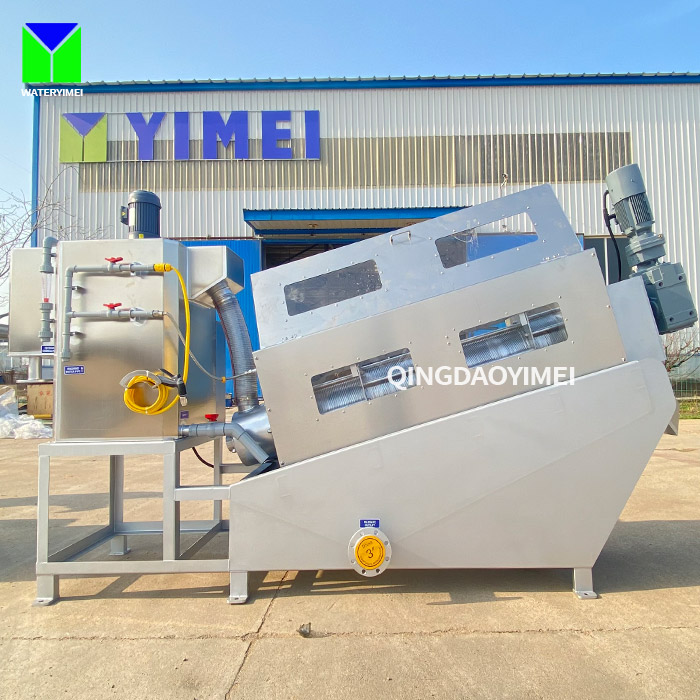
Choosing the right equipment for wastewater treatment is crucial, particularly when it comes to managing sludge effectively. A screw dehydrator is a popular choice among manufacturers for its efficient dewatering capabilities. However, selecting the right screw dehydrator requires an understanding of sludge characteristics. This article will explore what sludge characteristics suit a screw dehydrator, helping purchasing managers and engineers make informed decisions while considering factors such as performance, application compatibility, and supplier selection.
What Sludge Characteristics Are Ideal for Screw Dehydrators?
Screw dehydrators work best with specific sludge characteristics that enhance their operational efficiency. Ideal sludge for screw dehydrator typically exhibits the following traits:
Solid Content: Sludge with a higher solid content (generally over 2-3%) is more suitable as it allows for better dewatering performance. For instance, primary sludge and digested sludge often meet this criterion, making them ideal candidates.
Particle Size: Smaller particle sizes facilitate easier compaction and dewatering. Sludge with a consistent particle size distribution tends to yield better results since variations can lead to uneven processing and inefficiencies.
Viscosity: The viscosity of sludge affects its flow and dewatering capabilities. Less viscous sludge allows for easier handling and reduces the risk of blockages in the dehydrator. Therefore, it’s crucial to assess the sludge's viscosity before installation.
Chemical Composition: Sludge with a balanced chemical composition, particularly low in fats, oils, and greases (FOG), enhances performance. High levels of FOG can lead to operational challenges, such as clogging and reduced throughput.
Temperature: The temperature of the sludge can impact its dewatering efficiency. Warmer sludge often has reduced viscosity, allowing for improved flow through the system.
Understanding these characteristics is vital for ensuring that a screw dehydrator operates efficiently and meets the specific needs of wastewater treatment processes.
Key Specifications to Consider When Choosing a Screw Dehydrator
When selecting a screw dehydrator, several key specifications should be evaluated to ensure optimal performance:
Dewatering Capacity: This is typically measured in cubic meters per hour (m³/h) and should correspond to your plant’s sludge volume. Assessing the expected throughput ensures that the dehydrator can handle peak loads effectively.
Motor Power: The motor power rating affects the performance of the screw dehydrator. More powerful motors can handle tougher sludge types and higher solid concentrations, which leads to improved efficiency.
Screw Diameter and Length: The diameter and length of the screw influence the retention time of the sludge within the dehydrator. A longer screw typically allows for better dewatering but may require more space and investment.
Separation Efficiency: This specification indicates how effectively the screw press dehydrator can separate water from solids. It is essential to confirm this with the manufacturer to ensure it aligns with your operational goals.
Material Construction: Consider the materials used in the construction of the dehydrator, particularly regarding corrosion resistance and durability. Stainless steel construction is often preferred for its longevity in harsh environments.
Automation Features: Advanced models may offer automation for monitoring and controlling operations, which can lead to improved efficiency and lower labor costs.
Evaluating these specifications will help ensure that the screw dehydrator meets your operational requirements and environmental standards.
Why Supplier Reliability Matters in Screw Dehydrator Purchases
Choosing a reliable supplier is critical when purchasing a screw dehydrator. A trustworthy supplier like Qingdao Yimei Environment Project Co., Ltd. brings several advantages:
Quality Assurance: Established suppliers often have rigorous quality control processes in place, ensuring that the equipment meets industry standards and performs reliably.
After-Sales Support: Reliable suppliers provide excellent after-sales service, including installation guidance, maintenance support, and access to spare parts. This support is crucial for minimizing downtime and ensuring smooth operations.
Customization Capabilities: A reputable supplier can offer customization options tailored to specific sludge characteristics or operational needs. This flexibility can significantly enhance performance and efficiency.
Experience and Expertise: Suppliers with extensive industry experience can provide valuable insights into best practices and operational considerations, helping you avoid common pitfalls in sludge management.
Global Reach: Suppliers with a strong export history, like Qingdao Yimei, can ensure compliance with international standards and regulations, facilitating easier integration into existing systems.
By prioritizing supplier reliability, buyers can mitigate risks associated with equipment performance and service continuity.
Installation Guidance for Maximizing Screw Dehydrator Efficiency
Proper installation is crucial for maximizing the efficiency of a screw dehydrator. Here are some essential guidelines:
Site Assessment: Before installation, evaluate the site to ensure adequate space, accessibility, and environmental conditions. Consider factors like drainage, ventilation, and proximity to other equipment.
Alignment and Leveling: Ensure that the wastewater screw press is installed on a level surface and properly aligned. Misalignment can lead to operational issues such as increased wear and tear and inefficient sludge processing.
Inlet and Outlet Connections: Verify that the inlet and outlet connections meet manufacturer specifications. Proper sizing and secure fittings are essential to prevent leaks and ensure smooth flow.
Calibration: After installation, calibrate the system according to the manufacturer’s guidelines. This includes setting the motor speed, adjusting the screw pitch, and testing the dewatering process with actual sludge.
Operator Training: Provide thorough training for operators on the system’s controls and maintenance requirements. Well-trained personnel can identify issues early and maintain optimal performance.
Following these guidelines will help ensure that the screw dehydrator operates at peak efficiency, maximizing its dewatering capabilities and prolonging its lifespan.
Common Problems with Sludge and Solutions for Screw Dehydration
Several issues can arise during sludge processing that may hinder the effectiveness of screw dehydrators. Here are common problems and their solutions:
Clogging: Clogging can occur due to excessive FOG or large particles in the sludge. To mitigate this, consider pre-treatment options such as screening or chemical coagulation to reduce particle size and FOG levels before entering the screw dehydrator.
Poor Dewatering Performance: If the dehydrator is not achieving the desired solid content, assess the sludge characteristics and adjust the operational parameters. This might include modifying the screw speed or retention time.
Wear and Tear: Over time, components may wear out due to abrasive sludge. Regular maintenance and timely replacement of wear-prone parts, such as the screw and screen, can prevent breakdowns and costly repairs.
Odor Control: Strong odors can emanate from untreated sludge. Implementing odor control measures, such as covering the sludge storage area and using deodorizing agents, can significantly improve working conditions.
Inconsistent Performance: Variability in sludge characteristics can lead to inconsistent performance. Maintaining a consistent feed rate and monitoring sludge characteristics regularly can help ensure smooth operation.
By proactively addressing these common issues, operators can optimize the performance of screw press filter and enhance overall sludge management processes.
Table of Contents
- What Sludge Characteristics Are Ideal for Screw Dehydrators?
- Key Specifications to Consider When Choosing a Screw Dehydrator
- Why Supplier Reliability Matters in Screw Dehydrator Purchases
- Installation Guidance for Maximizing Screw Dehydrator Efficiency
- Common Problems with Sludge and Solutions for Screw Dehydration