EN
EN
 AR
AR
 BG
BG
 CS
CS
 DA
DA
 NL
NL
 FI
FI
 FR
FR
 EL
EL
 HI
HI
 IT
IT
 JA
JA
 KO
KO
 NO
NO
 PL
PL
 PT
PT
 RO
RO
 RU
RU
 ES
ES
 TL
TL
 ID
ID
 UK
UK
 ET
ET
 TR
TR
 AF
AF
 GA
GA
 MK
MK
 BN
BN
 NE
NE
 KK
KK
 SU
SU
 UZ
UZ

When Space Is Limited, How Can Communities Expand Capacity?
Not every community has room to expand traditional wastewater treatment infrastructure. From compact suburban land layouts to infill development, municipalities are increasingly facing the serious challenge of treating wastewater on land-constrained sites.
The Hidden Constraint: No Room to Grow
In many growth markets, land is becoming increasingly scarce. Existing treatment plants built decades ago on the fringes of towns are now surrounded by highways, residential areas, commercial districts, or ecologically protected buffer zones.
Well-planned communities maximize residential density to make projects financially viable. Rising property values make it increasingly difficult to dedicate large tracts of land to public infrastructure when that land could otherwise generate revenue.
When demand increases but the physical footprint allocated to a water treatment plant has already reached maximum capacity, design strategies need to go further.
Why Traditional Wastewater Layouts Struggle on Space-Constrained Sites
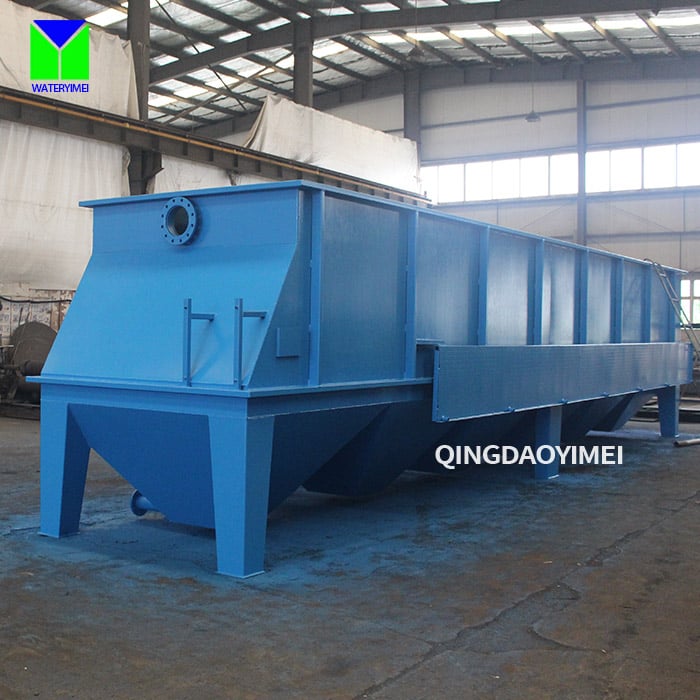
Conventional wastewater treatment layouts were not designed for today’s land constraints. Wetland systems require large footprints, and conventional designs such as rectangular clarifiers and aeration tanks often assume future expansion depends on acquiring adjacent parcels – parcels that may not be available or may be prohibitively expensive.
Retrofitting older facilities presents its own challenges. It can cause service disruptions during construction, affecting treatment performance and compliance.
Even when land is available, expansion requires careful navigation. Acquiring land takes time, and delays often stall capacity upgrades. Zoning hurdles and complex permitting processes must also be overcome. Sites near residential areas may face community resistance to infrastructure expansion. Additionally, municipalities must contend with construction costs for large land development, which can strain budgets.
When physical space for real estate development in other potential growth areas does exist, and developers are eager to start projects, growth ultimately depends on how quickly the infrastructure can respond.
Packaged Wastewater Treatment Solutions for Constrained Sites
The good news is that modern treatment systems no longer require sprawling layouts. Advances in design and manufacturing allow municipalities to expand vertically rather than outward.
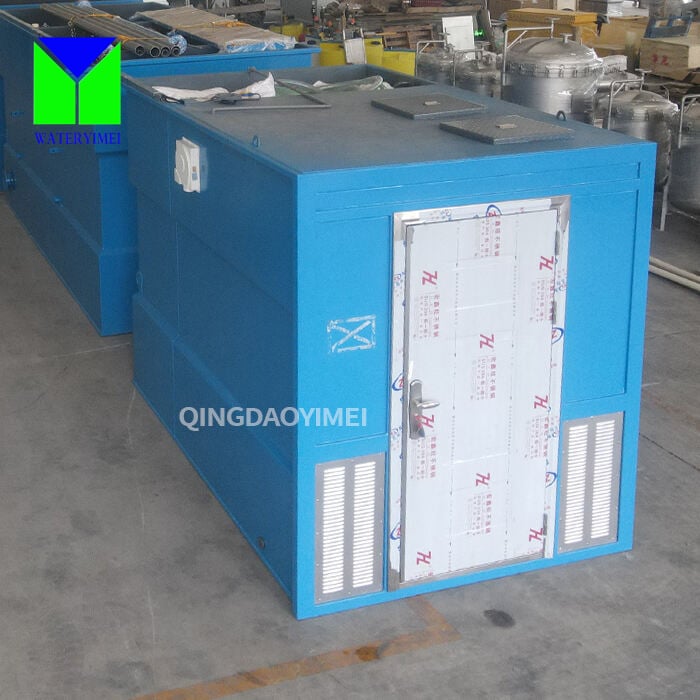
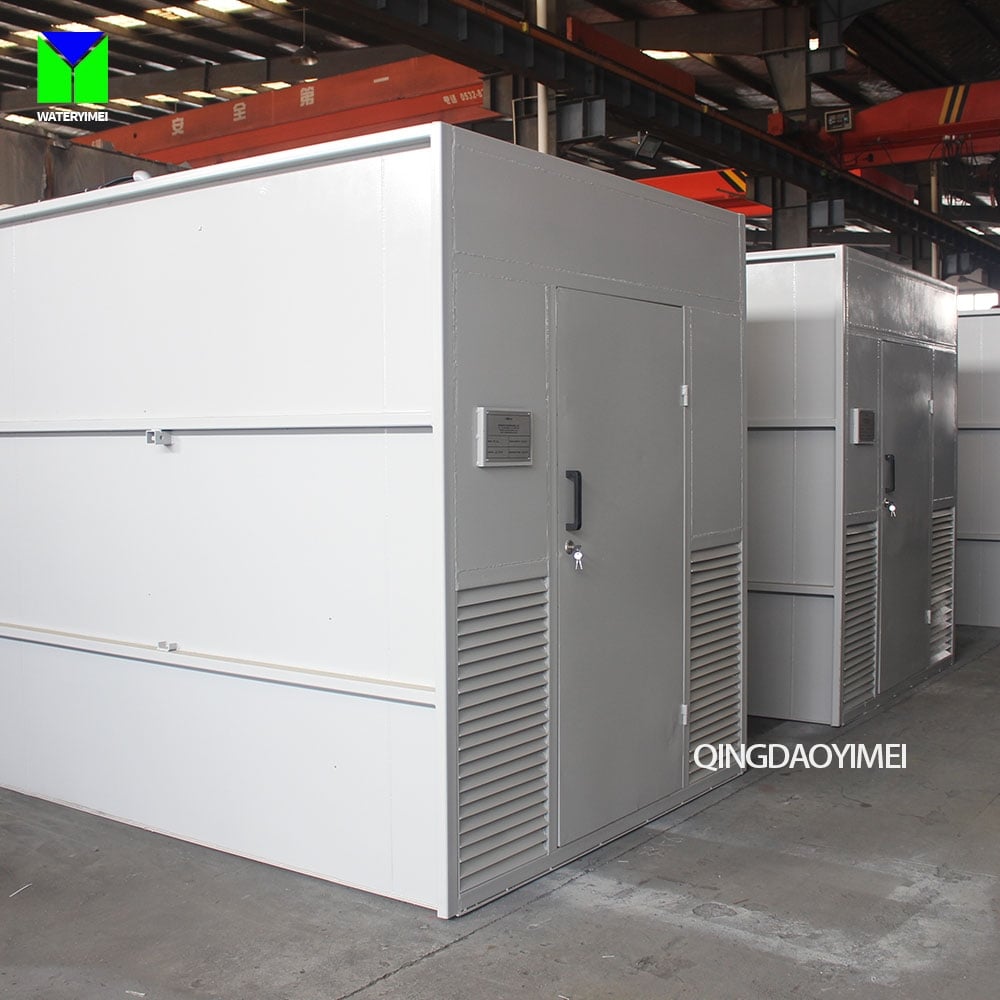
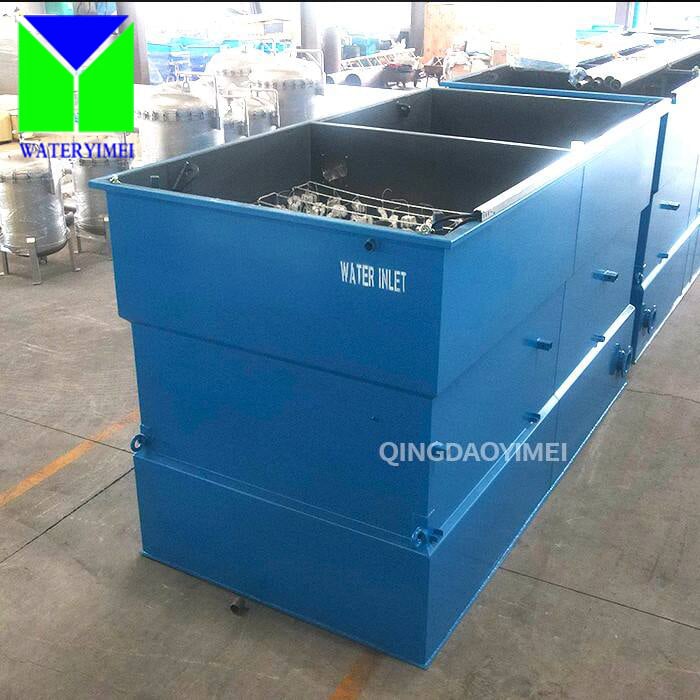
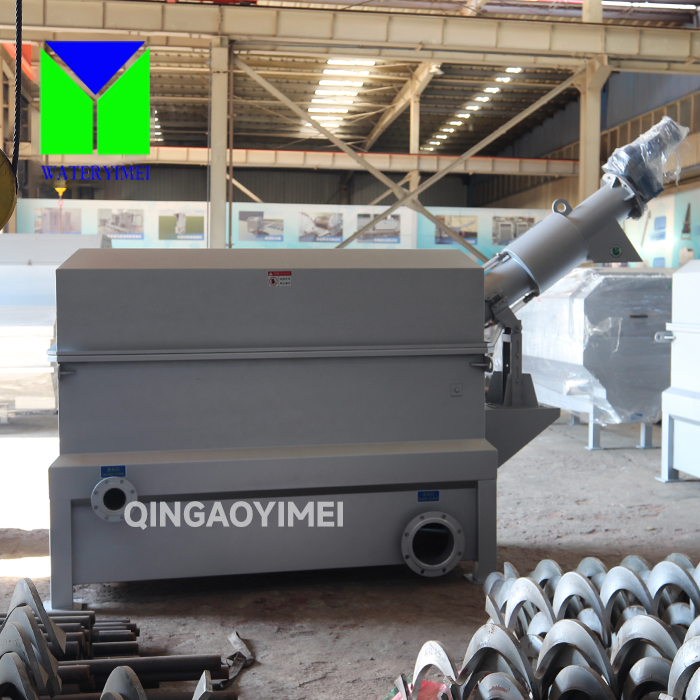
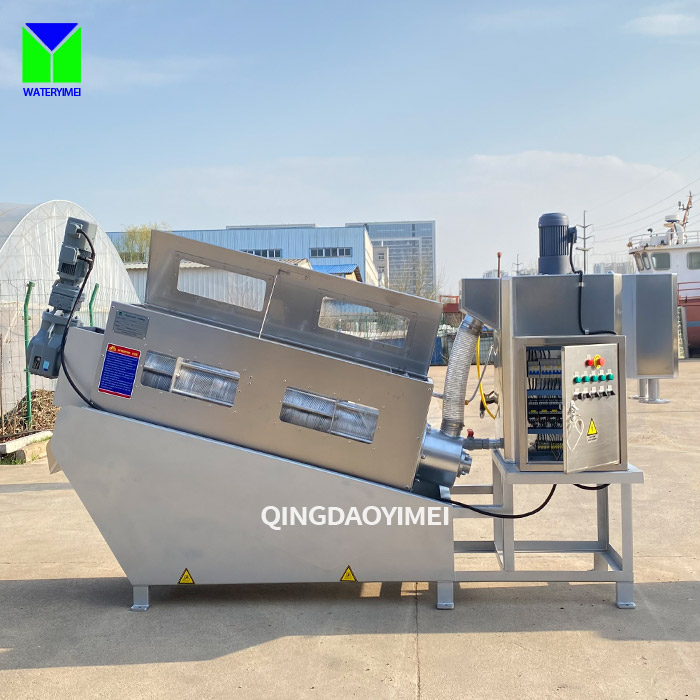
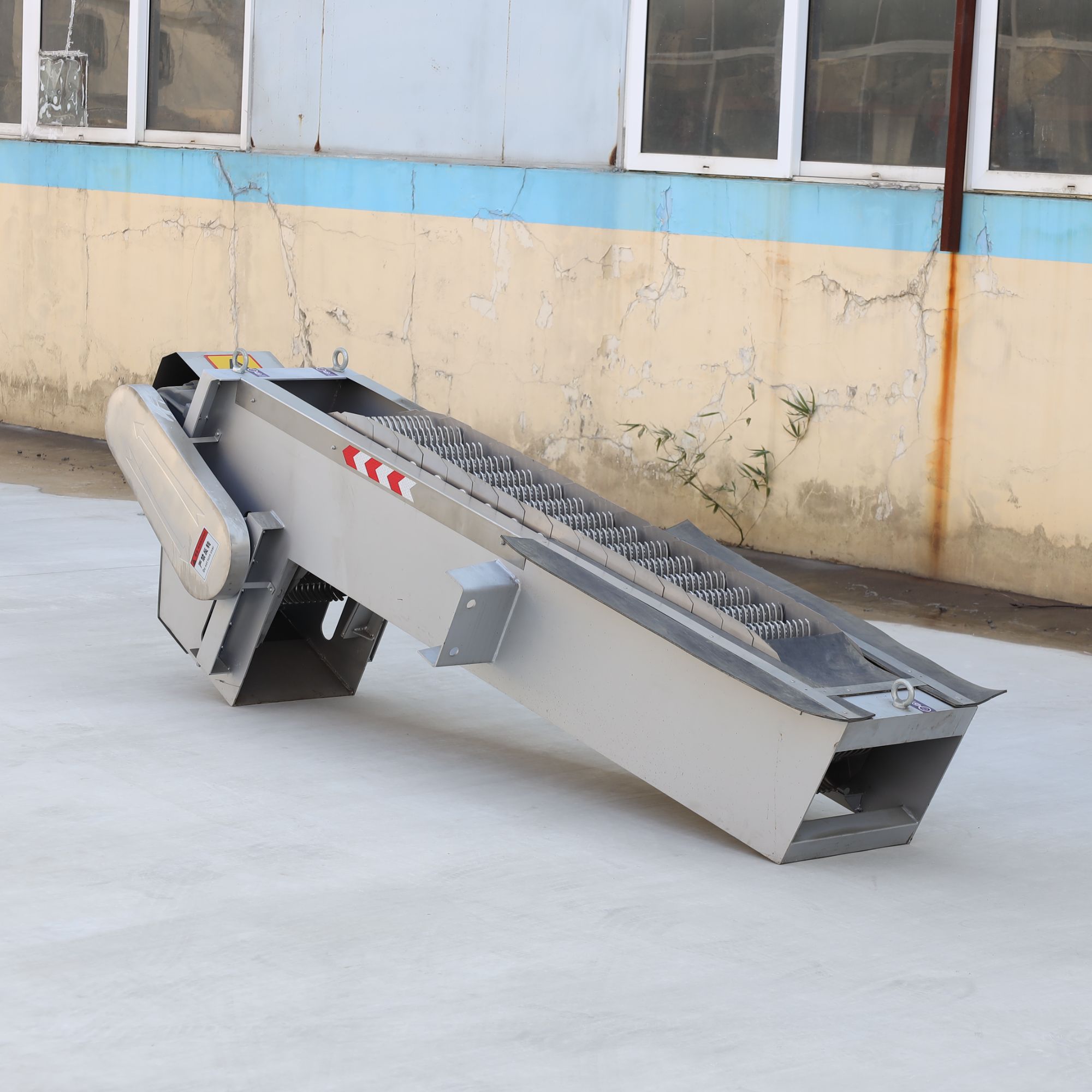
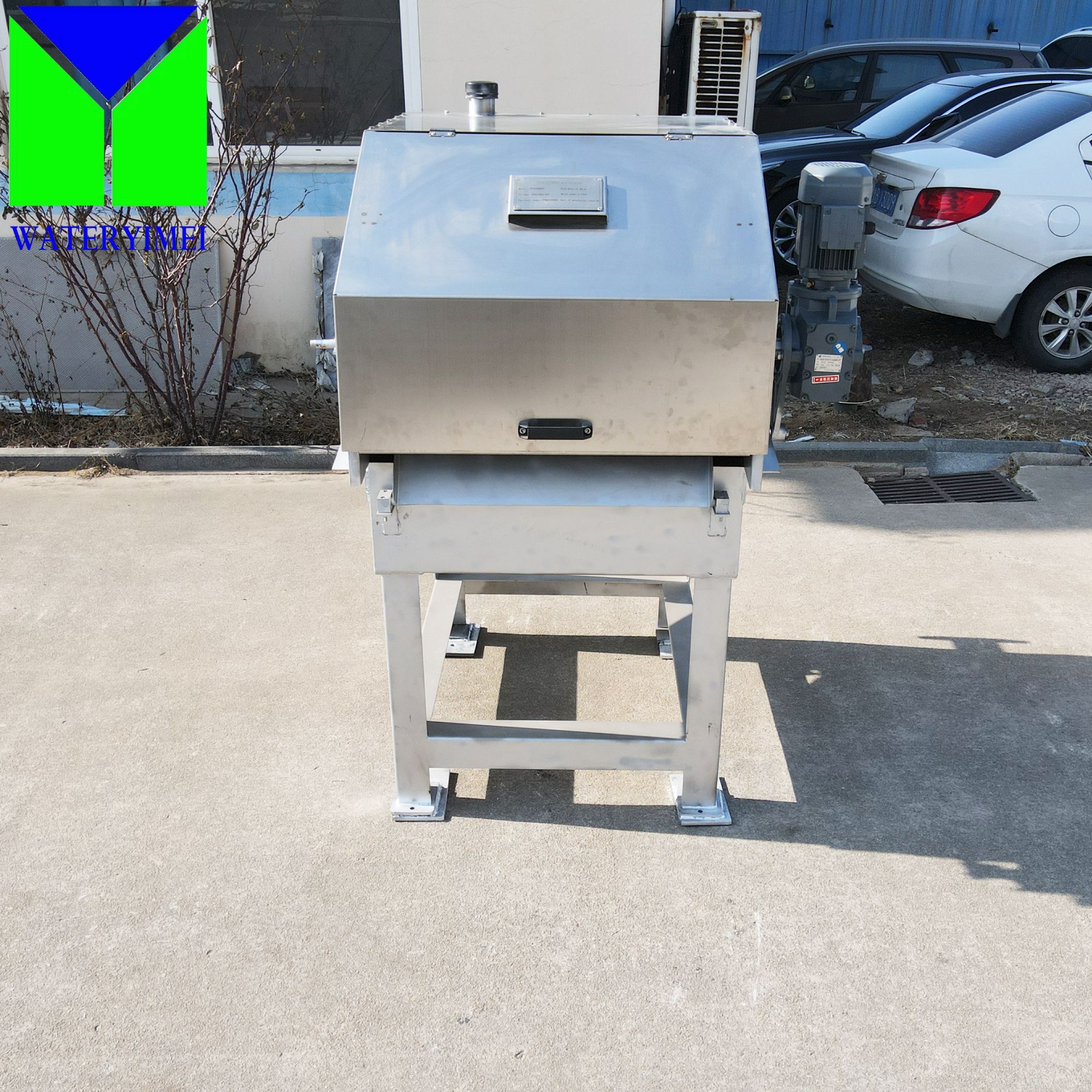
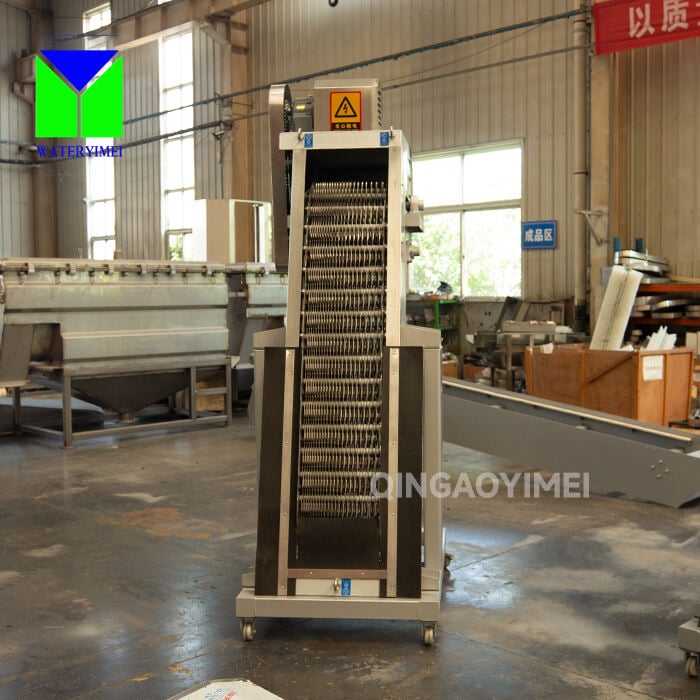
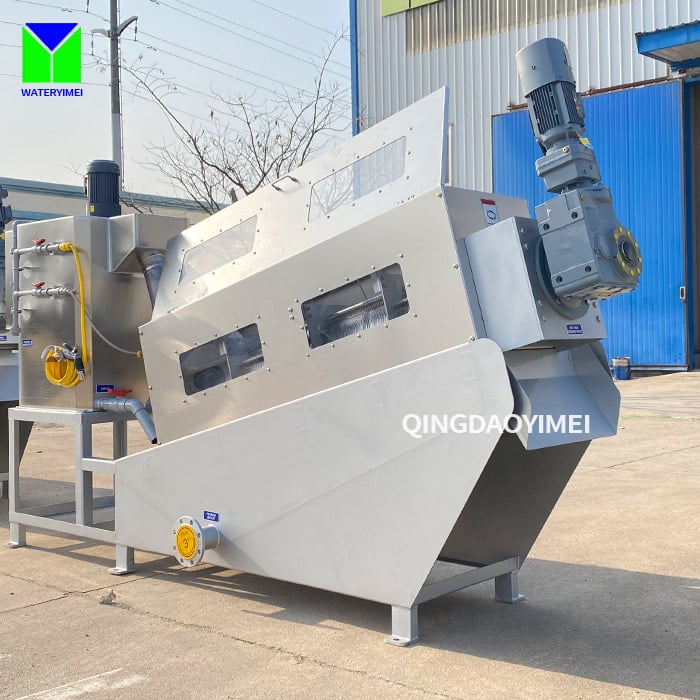
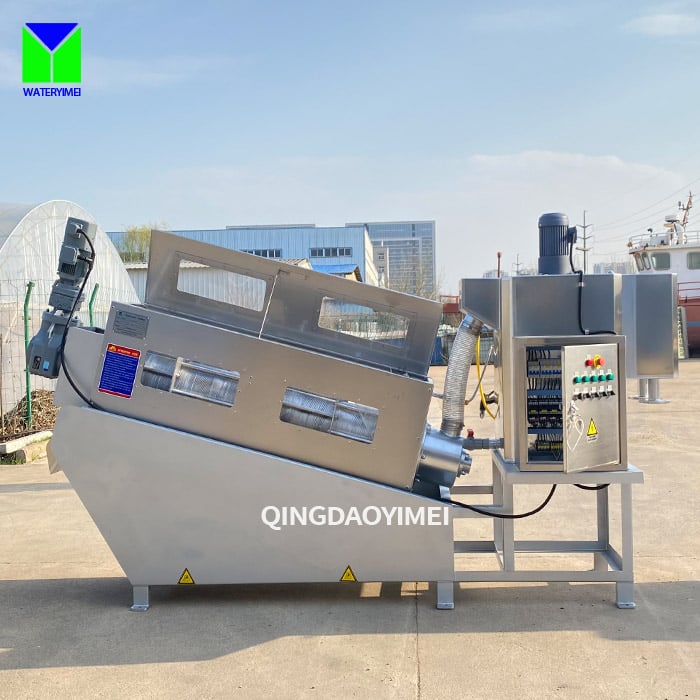
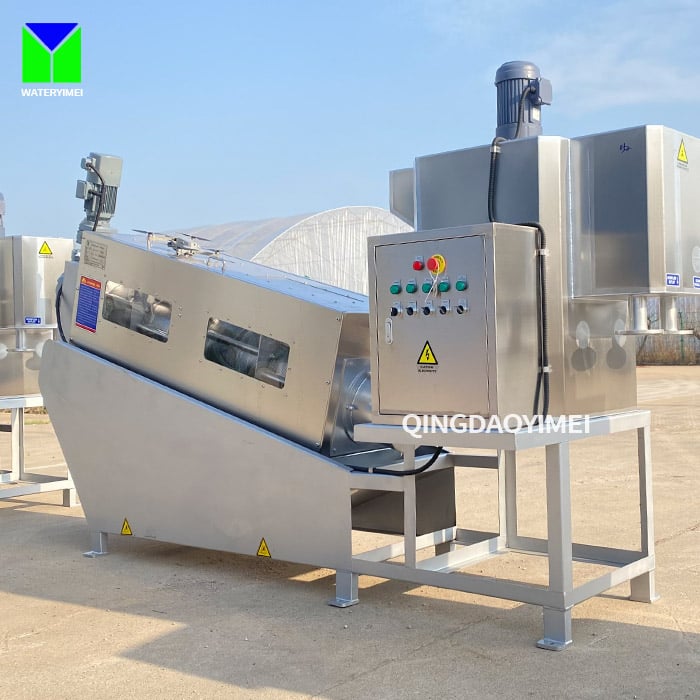
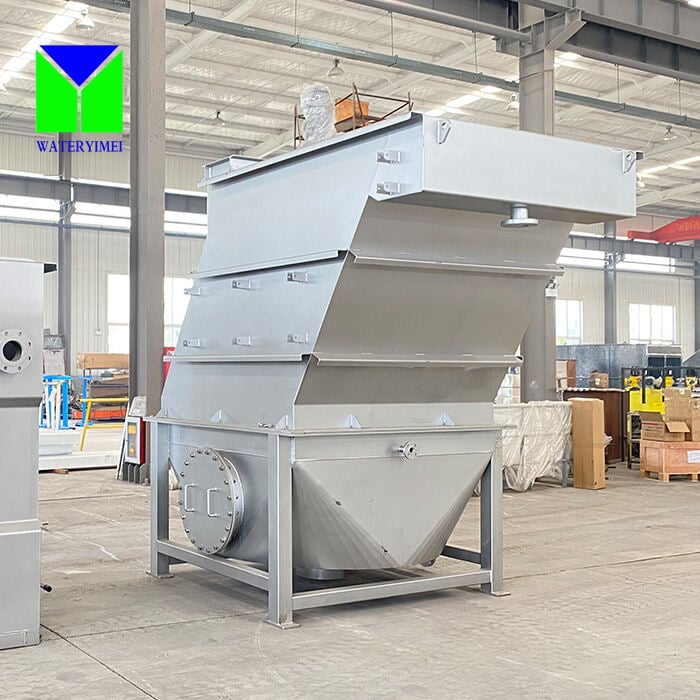
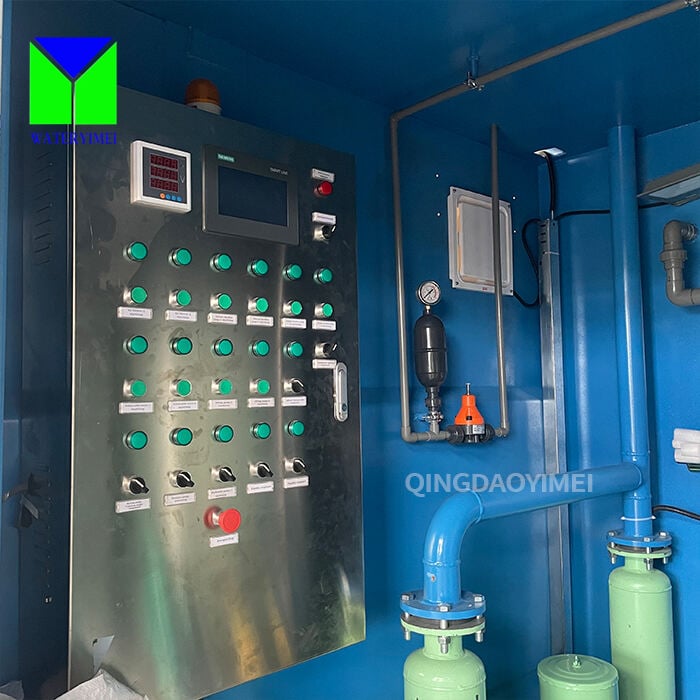
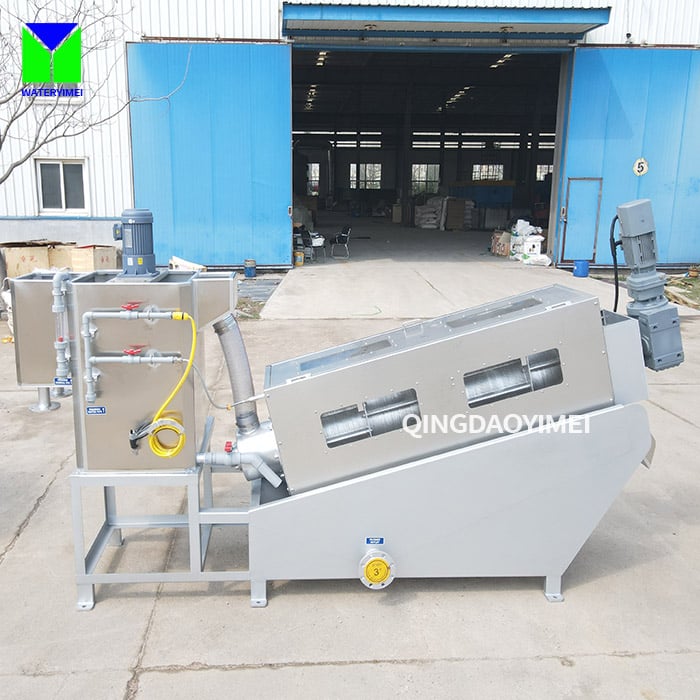
Integrate pre-treatment, biological treatment, sedimentation separation, advanced filtration, disinfection, sludge treatment, and other units into a highly integrated system. Through factory prefabrication, modular design, and rapid on-site assembly.
Such packaged systems can add greater treatment capacity within a small footprint, helping municipalities expand without acquiring additional land.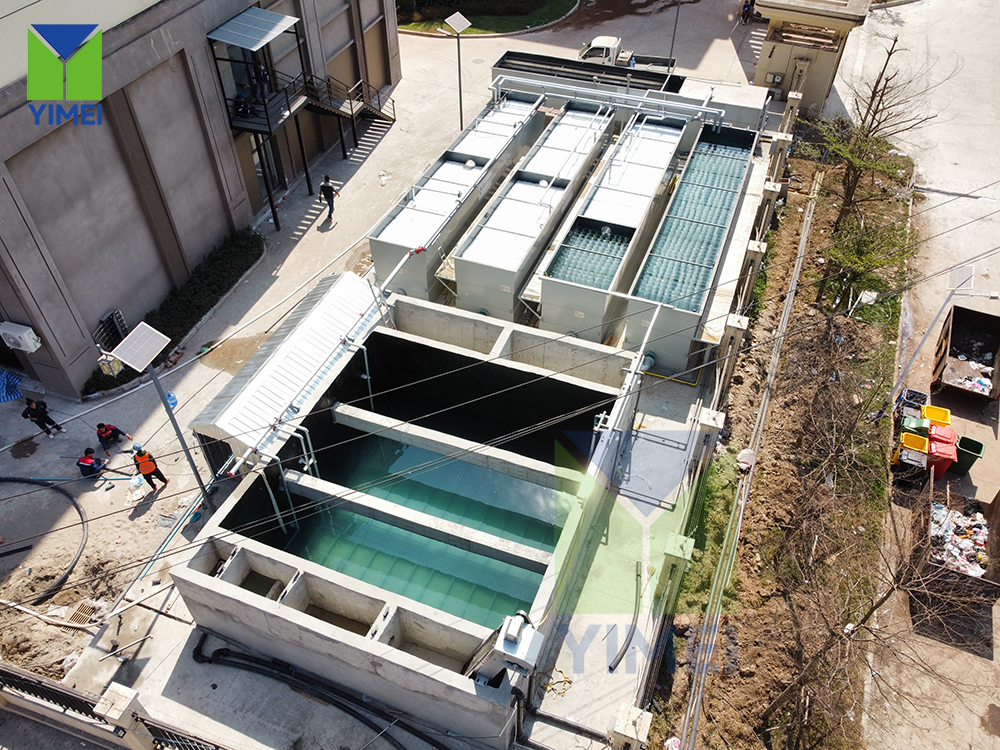
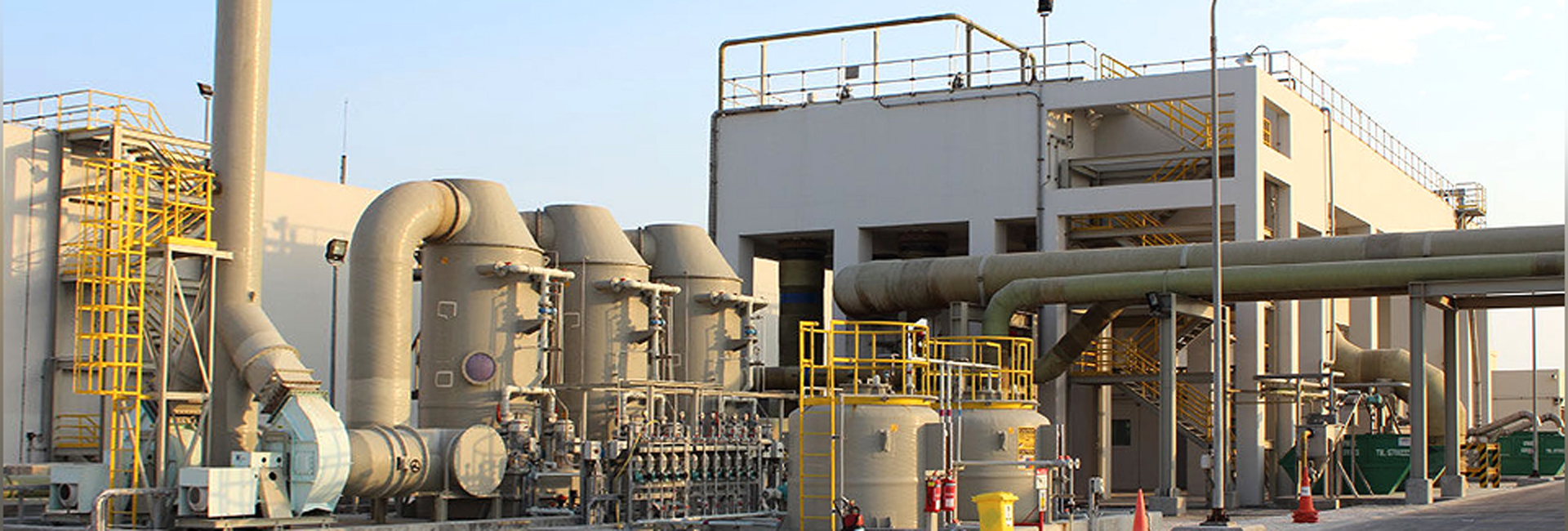
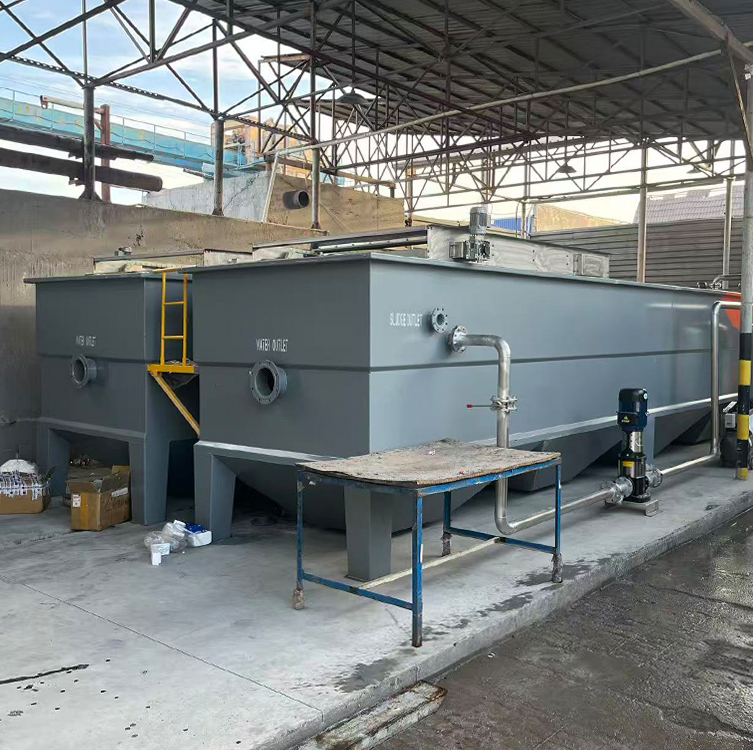
2026 Laos domestic wastewater treatment site
Modular treatment systems allow process units to be stacked or integrated more efficiently, while prefabricated components reduce the need for extensive scaffolding and other temporary construction facilities. Factory-built modules arrive ready for installation, shortening construction time and minimizing impacts on surrounding communities.
Compact systems offer higher treatment capacity per square foot, enabling communities to make better use of limited land resources.
Because many components are prefabricated and modular, installation time is significantly shorter than for traditional stick-built plants, helping keep projects on schedule. Phased modular design also supports more realistic expansion planning, allowing capacity additions to align more closely with actual flow increases rather than long-term projections.
Where Do Compact Wastewater Treatment Systems Make the Greatest Impact?
Compact systems are being deployed in environments where traditional expansion is no longer feasible. Some of the most impactful scenarios for compact systems include:
Infill expansion in built-out suburban communities, where acquiring adjacent parcels would require relocating existing homes.
Municipal sites surrounded by roads or ecological buffers, where further expansion would encroach on regulated setback zones.
High-density master-planned communities with limited land allocated for utilities.
Development projects where land is better suited for residential or commercial revenue.
In each case, footprint efficiency is not just a design preference – it is a financial strategy. Every acre saved translates into taxable value, residential units, or commercial opportunities.
Designing Density Without Sacrificing Growth
There is a misconception that compact infrastructure must be temporary or undersized. Modern modular systems are designed specifically for phased expansion. As demand increases, capacity can be added incrementally, allowing infrastructure to evolve alongside population growth over time.
Treatment modules can be added as flows increase. Advanced nutrient removal processes can be integrated into the system without demolishing existing infrastructure.
Modern systems can also support water reuse for non-potable applications such as irrigation, cooling, or dust control, further enhancing land use efficiency and sustainability.
Limited land area does not have to limit development. With compact, expandable wastewater treatment systems, municipalities can increase treatment capacity, ensure regulatory compliance, and protect long-term development potential – all without expanding their footprint. In markets where land is scarce and project timelines are tight, this flexibility can be the key to keeping projects moving forward and maintaining momentum.
Yimei designs and supplies energy-efficient wastewater treatment solutions for space-constrained environments, including compact modular systems and clarifiers engineered for long-term municipal operation. Contact Yimei to learn how compact wastewater infrastructure can support growth without expanding your site.
Copyright © Qingdao Yimei Environment Project Co., Ltd. All Rights Reserved Privacy policy