EN
EN
 AR
AR
 BG
BG
 CS
CS
 DA
DA
 NL
NL
 FI
FI
 FR
FR
 EL
EL
 HI
HI
 IT
IT
 JA
JA
 KO
KO
 NO
NO
 PL
PL
 PT
PT
 RO
RO
 RU
RU
 ES
ES
 TL
TL
 ID
ID
 UK
UK
 ET
ET
 TR
TR
 AF
AF
 GA
GA
 MK
MK
 BN
BN
 NE
NE
 KK
KK
 SU
SU
 UZ
UZ

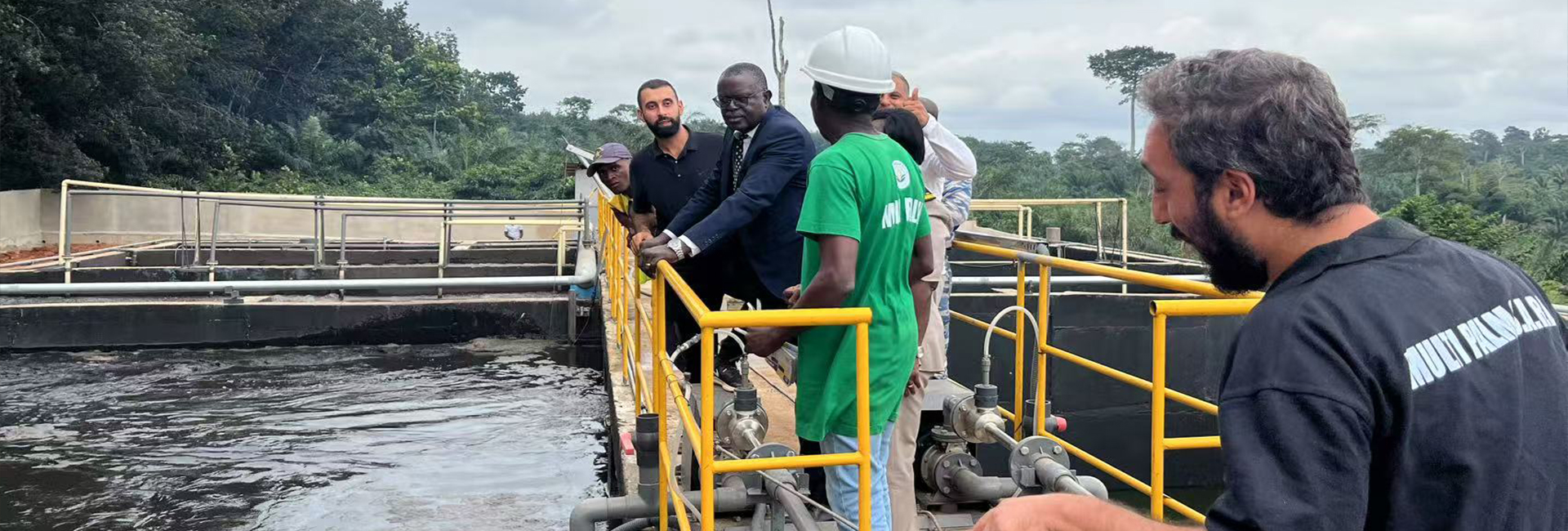
Wastewater Characteristics: Slaughterhouse wastewater is generated during livestock washing, slaughtering, evisceration, meat processing, equipment cleaning, and facility maintenance. It typically contains high concentrations of organic matter, ...
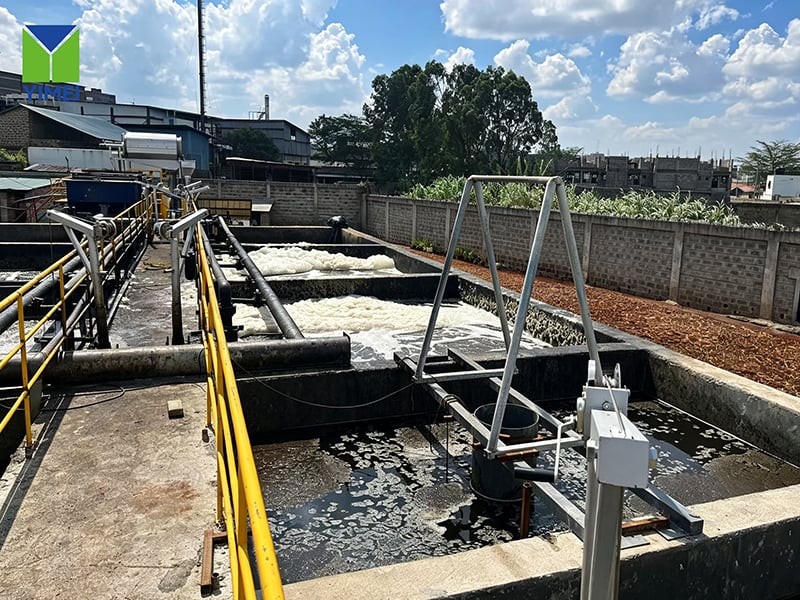
Wastewater Characteristics:
Slaughterhouse wastewater is generated during livestock washing, slaughtering, evisceration, meat processing, equipment cleaning, and facility maintenance. It typically contains high concentrations of organic matter, suspended solids, fats, oils and grease, blood, proteins, ammonia nitrogen, and pathogenic microorganisms. The wastewater quality and flow may fluctuate significantly throughout the day. Considering the warm climate and varying water supply and operation conditions in different areas of Kenya, the wastewater treatment system should provide reliable performance, strong resistance to shock loads, low energy consumption, and easy daily operation and maintenance.
Main Treatment Process:
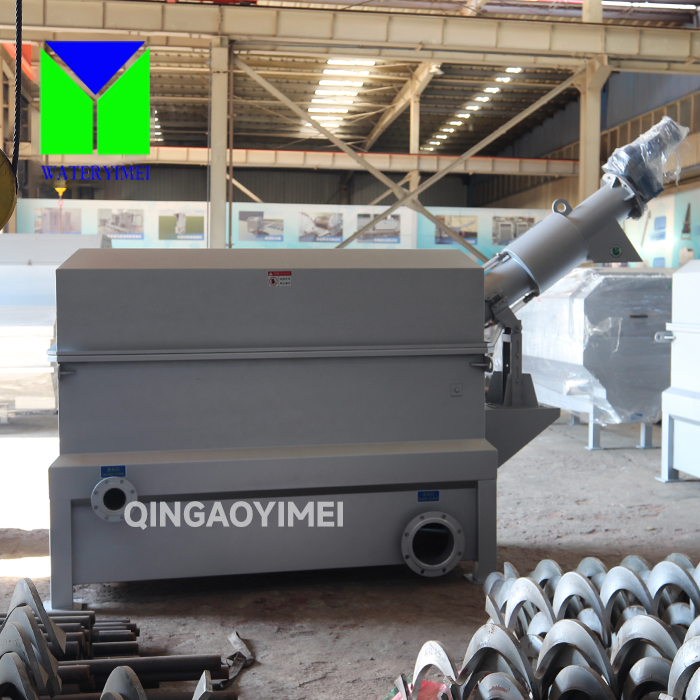
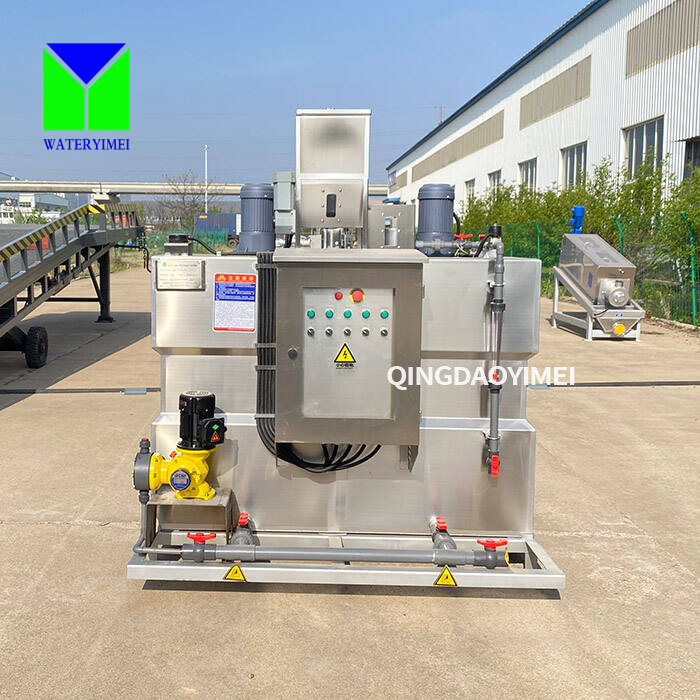
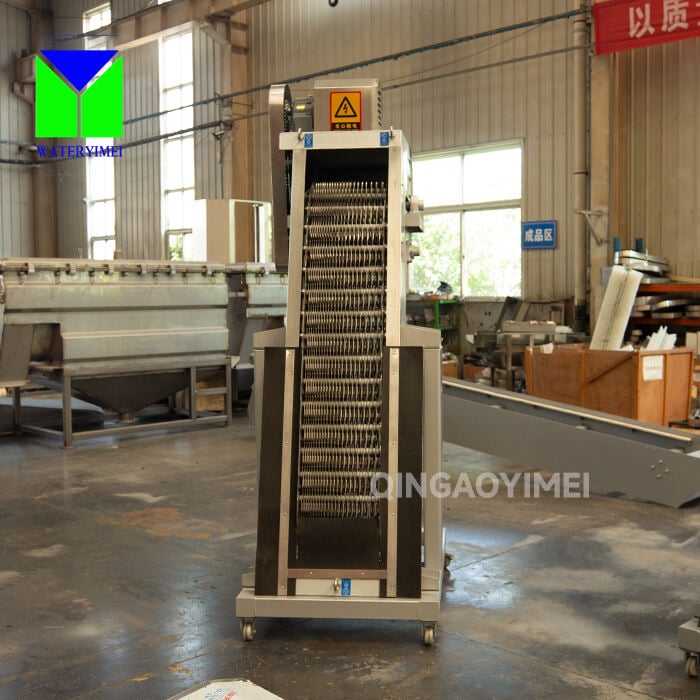
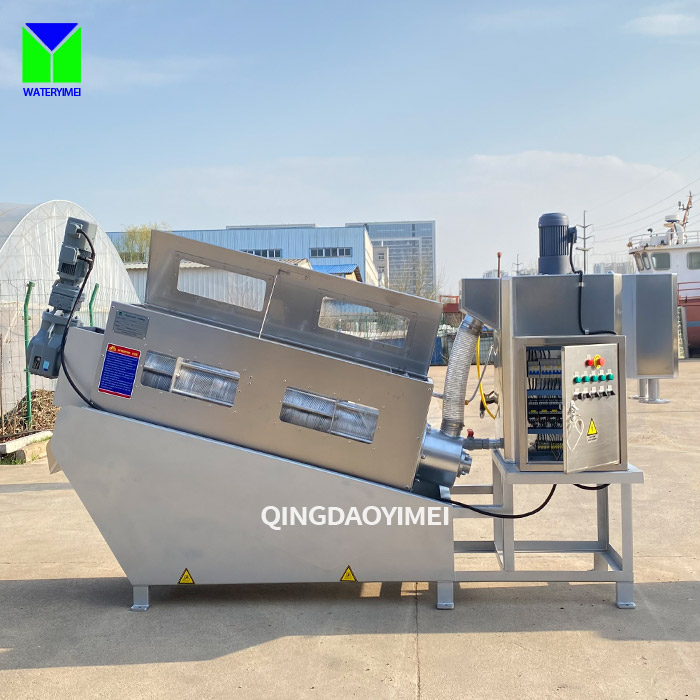
Based on the characteristics of slaughterhouse effluent, a combined treatment process is generally recommended: screening and manual solid separation, equalization, dissolved air flotation or sedimentation, anaerobic treatment, aerobic biological treatment, secondary clarification, disinfection, and discharge or reuse. The pretreatment stage removes large particles such as hair, bone fragments, and animal tissue through screening, while dissolved air flotation or sedimentation helps reduce fats, oils, grease, and suspended solids. Anaerobic and aerobic biological treatment are then used together to remove organic pollutants and ammonia nitrogen. Finally, disinfection reduces the risk of pathogenic microorganisms in the treated effluent. Depending on local discharge standards and actual water requirements, the treated water can be reused for non-potable purposes such as facility cleaning, livestock-area washing, and landscaping.
Raw Water Quality Reference:
| S. no | Parameters | UOM | Wastewater | Standard discharge limit |
| 1 | Type of effluent | Slaughter house | ||
| 2 | Effluent capacity | m3/Day | 275 | |
| 3 | Treated water usage purpose | Discharge | ||
| 4 | pH | 7.42 | 6.5 8.5 | |
| 5 | Total dissolved solids | mg/L | 2000 | 2000 |
| 6 | Total suspended solids | mg/L | 2700 | |
| 7 | Chemical oxygen demand | mg/L | 22720 | <750 |
| 8 | Biological oxygen demand | mg/L | 2175 | <400 |
| 9 | Total organic carbon | mg/L | 1620 | <400 |
| 10 | Oil&Grease | mg/L | 331 | <75 |
| 11 | Total kjeldahl nitrogen | mg/L | 162.5 | <100 |
| 12 | Iron | mg/L | 14.9 | <10 |
| 13 | E coliform | CFU/100mL | 16600 | <100 |
| 14 | Color | Dark brown |
Final Effluent Yimei One Stop Wastewater Treatment Solution:
| No. | Parameters | UOM | Raw Water Quality | Kenya NEMA Discharge Limit | Minimum Removal Rate |
| 1 | pH | - | 7.42 | 6.5 - 8.5 | - |
| 2 | COD (Chemical Oxygen Demand) | mg/L | 22720 | ≤ 50 | ≥ 99.8% |
| 3 | BOD₅ (Biological Oxygen Demand) | mg/L | 2175 | ≤ 30 | ≥ 98.6% |
| 4 | TSS (Total Suspended Solids) | mg/L | 2700 | ≤ 30 | ≥ 98.9% |
| 5 | Oil & Grease | mg/L | 331 | ≤ 30 | ≥ 91.0% |
| 6 | TKN (Total Kjeldahl Nitrogen) | mg/L | 162.5 | ≤ 2 | ≥ 98.8% |
| 7 | E-Coli | CFU/100mL | 16600 | 0 | Complete Disinfection |
Copyright © Qingdao Yimei Environment Project Co., Ltd. All Rights Reserved Privacy policy