EN
 AR
 BG
 CS
 DA
 NL
 FI
 FR
 EL
 HI
 IT
 JA
 KO
 NO
 PL
 PT
 RO
 RU
 ES
 TL
 ID
 UK
 ET
 TR
 AF
 GA
 MK
 BN
 NE
 KK
 SU
 UZ

Water Resource Management in the Papermaking Process
Proper water resource management helps pulp and paper operations mitigate adverse effects from pollutant buildup within process water streams. This improves product quality and process stability while cutting costs, energy use and freshwater consumption. Pulp and paper facilities consume substantial volumes of water across pulp processing, paper manufacturing, equipment cleaning and cooling stages. As a result, these sites face mounting regulatory and operational pressure to control water intake and wastewater discharge. Wastewater reuse has therefore become a critical component of advanced industrial water management.
When paired with robust wastewater treatment and water recovery systems, pulp and paper mills can reclaim usable water from targeted wastewater streams. This reduces freshwater withdrawal and lifts overall resource efficiency. The practice also supports the advancement of a circular economy across the sector.
Water is required at multiple stages of paper production. Depending on the raw materials used and the manufacturing processes involved, wastewater may contain suspended solids, fibers, organic matter, color, and other process-related pollutants. If discharged without proper treatment, this wastewater can increase the environmental burden and make it more difficult for mills to meet wastewater discharge requirements. At the same time, excessive reliance on freshwater can increase operating costs, particularly in regions where water resources are limited.
For these reasons, paper manufacturers are increasingly incorporating wastewater reuse into their long-term water resource management strategies. Rather than treating wastewater solely for discharge, mills are evaluating which wastewater streams can undergo further treatment and be reused in suitable production processes or utility applications.
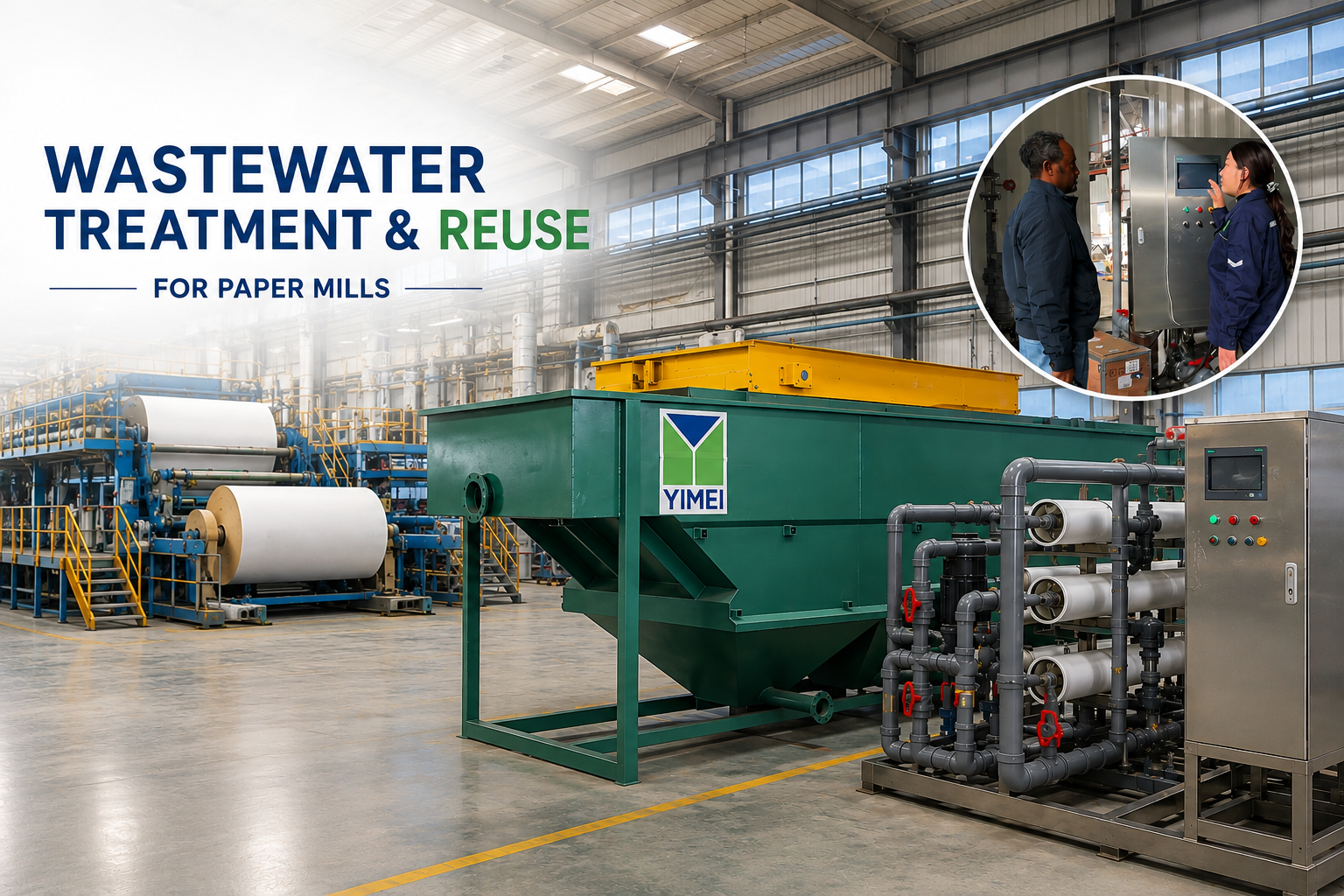
With extensive experience in industrial wastewater treatment, Yimei has completed projects across various industrial applications. Explore more of our project cases to learn about our experience and solutions. This experience makes Yimei a trusted choice for many industrial customers.
Effective wastewater reuse begins with understanding the characteristics of the wastewater and the water quality requirements for its intended reuse. Yimei first evaluates water quality, flow variations, and discharge patterns, while also considering your specific reuse goals, such as landscape irrigation, equipment washing, production water, and cooling tower makeup water. This allows us to determine the appropriate treatment requirements and develop reliable wastewater reuse solutions tailored to your needs.
Depending on the wastewater composition, an industrial wastewater treatment system for a paper mill typically includes the following treatment stages:
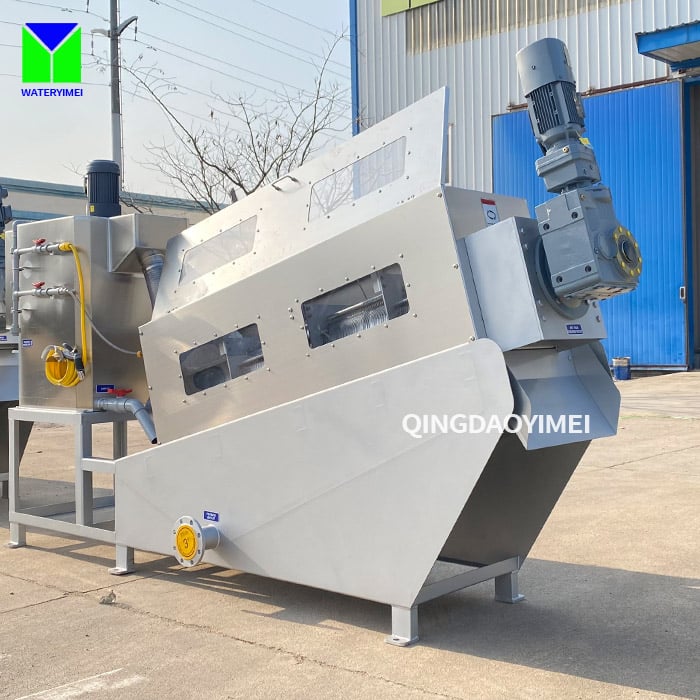
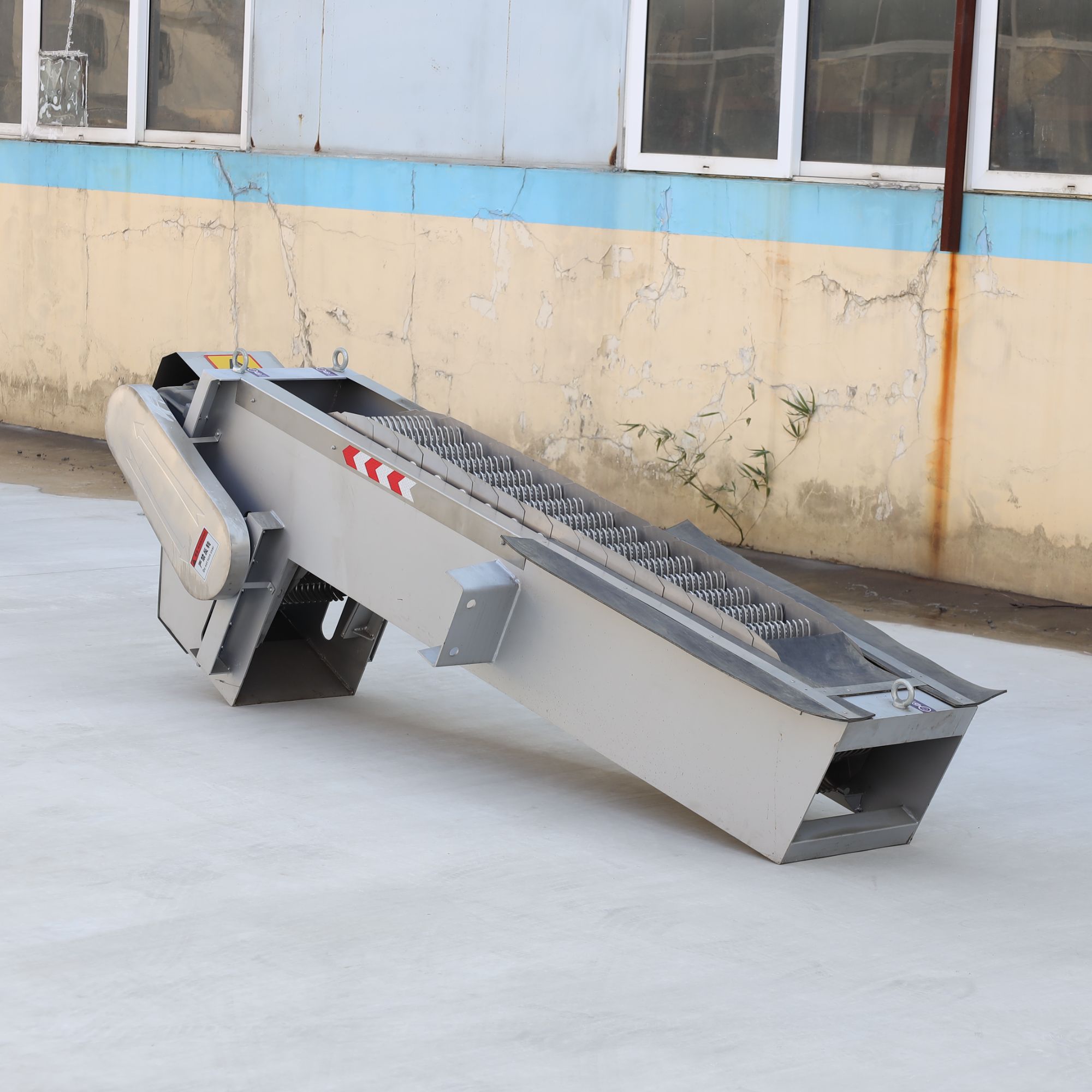
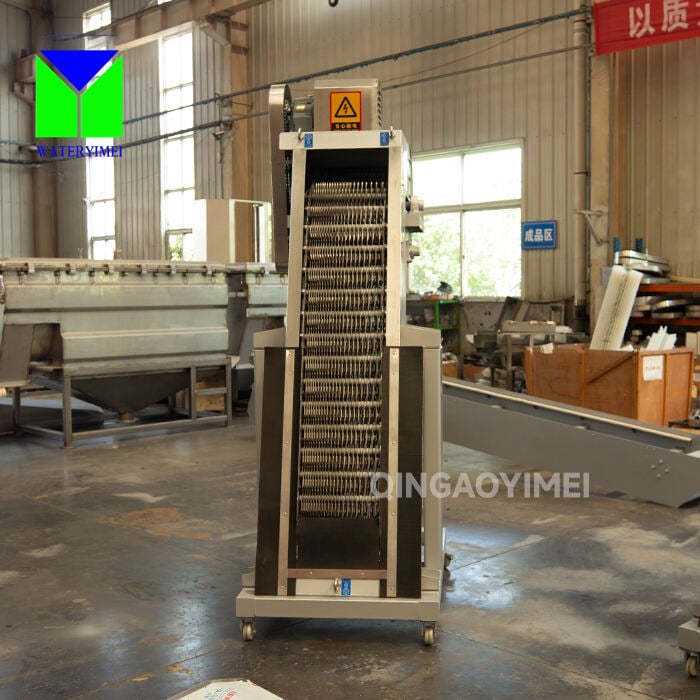
Pre-treatment and Screening: Removes coarse solids, fibers, and other materials that could affect downstream equipment.
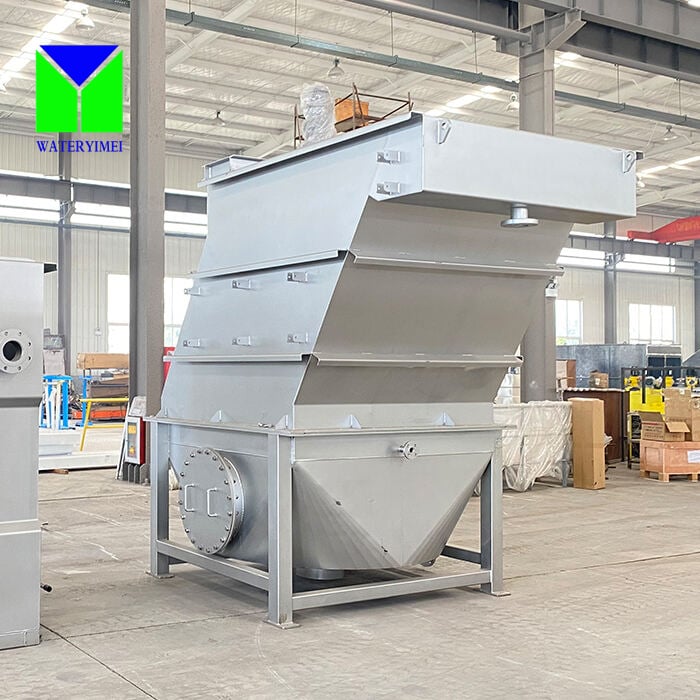
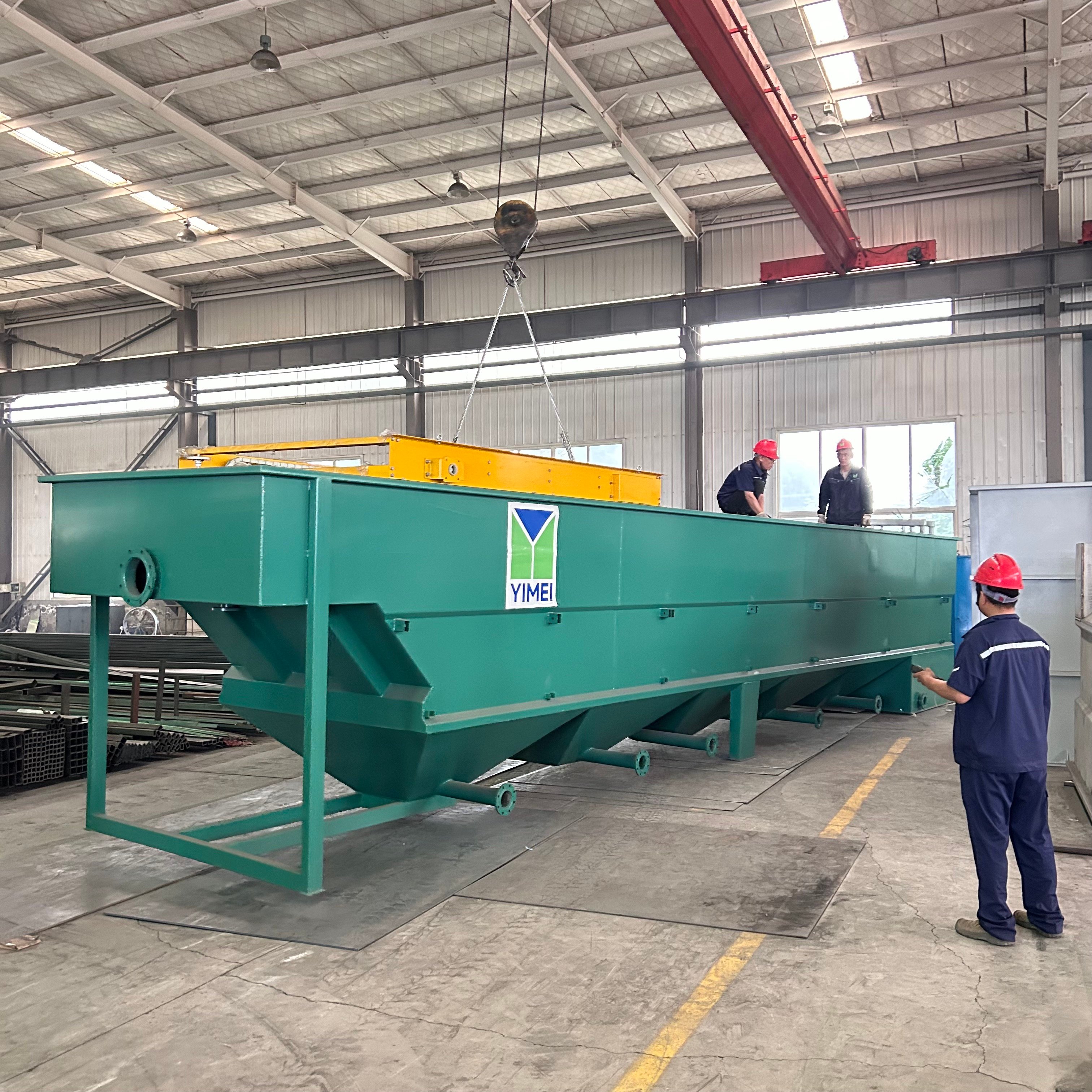
Settling or Clarification: Separates suspended solids and other removable pollutants through appropriate physical and chemical treatment processes.
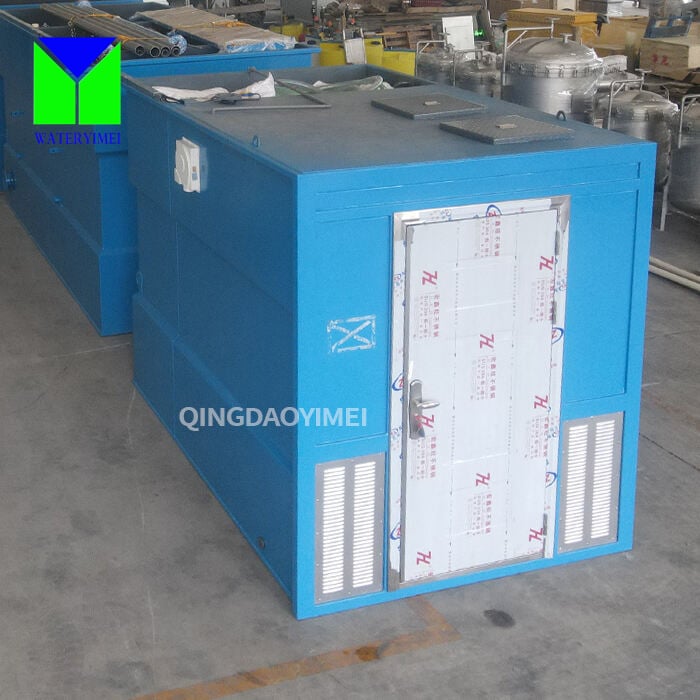
Biological Treatment: Reduces biodegradable organic pollutants using technologies such as Moving Bed Biofilm Reactor (MBBR) or Membrane Bioreactor (MBR) systems.
Filtration and Advanced Treatment: Provides additional treatment to meet the water quality requirements of the intended reuse application.
Not every paper mill requires the same treatment configuration. The final treatment process should be selected based on wastewater flow rates, pollutant concentrations, existing treatment facilities, and the required water quality for reuse.
In practical terms, water recycling management aims to keep water in circulation within production processes for as long as possible. For paper manufacturers, this means evaluating how treated wastewater can be recovered, monitored, and reused rather than relying entirely on freshwater supplies.
Water recycling strategies include separating wastewater streams, improving treatment efficiency, recovering suitable process water, and matching water quality to specific applications. For example, depending on process requirements and verified water quality, treated water can be reused for specific washing, cleaning, and other suitable applications.
Water recycling in pulp and paper mills involves much more than simply installing a recycling unit. It requires an integrated approach that connects wastewater collection, treatment, and reuse with ongoing water quality management. Drawing on practical project experience, systematic engineering design can help mills reduce freshwater consumption and wastewater discharge through effective water reuse.
Different industrial manufacturing processes generate wastewater with unique characteristics and have specific production requirements. Therefore, a practical wastewater reuse solution should be designed around the actual operating conditions of each facility rather than relying on standardized equipment configurations.
When evaluating an industrial wastewater reuse system, manufacturers should consider the following factors:
Based on these factors and our experience with proven treatment technologies and process combinations, Yimei develops suitable wastewater treatment and reuse solutions tailored to your facility.
Project Case
Yimei's wastewater treatment solution provided for a paper mill customer in Ethiopia is based on the water quality analysis provided by the customer. This wastewater contains a large amount of organic substances, such as lignin, cellulose, hemicellulose, sugars and organic acids. The chemical oxygen demand (COD) is usually between 2000 and 6000 milligrams per liter, and the biochemical oxygen demand (BOD) is between 800 and 2500 milligrams per liter.
The high suspended solid content is mainly composed of fibers, fillers, coatings and precipitates, and the suspended solid (SS) concentration can reach 1500-3000 mg/L.
Parameter |
Typical Range |
Main Components |
|
BOD₅ |
800 – 1,500 mg/L |
Lignin, cellulose, hemicellulose, sugars, organic acids |
|
COD |
2,000 – 3,500 mg/L |
Lignin, cellulose, hemicellulose, sugars, organic acids |
|
TSS |
800 – 1,500 mg/L |
Fibers, fillers, coatings, sediments |
|
pH |
6.5 – 8.5 |
— |
Note: Analysis based on customer water quality data. The wastewater is rich in organics with high suspended solids.
Technical Highlights
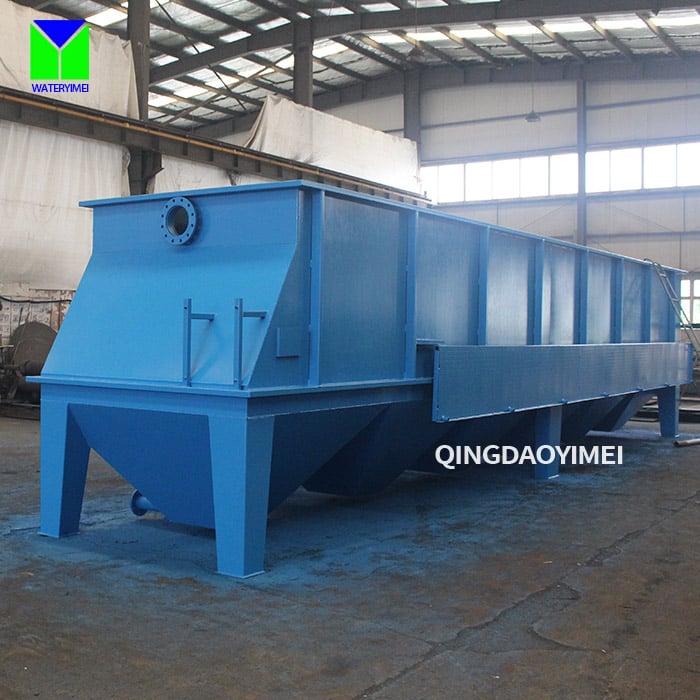
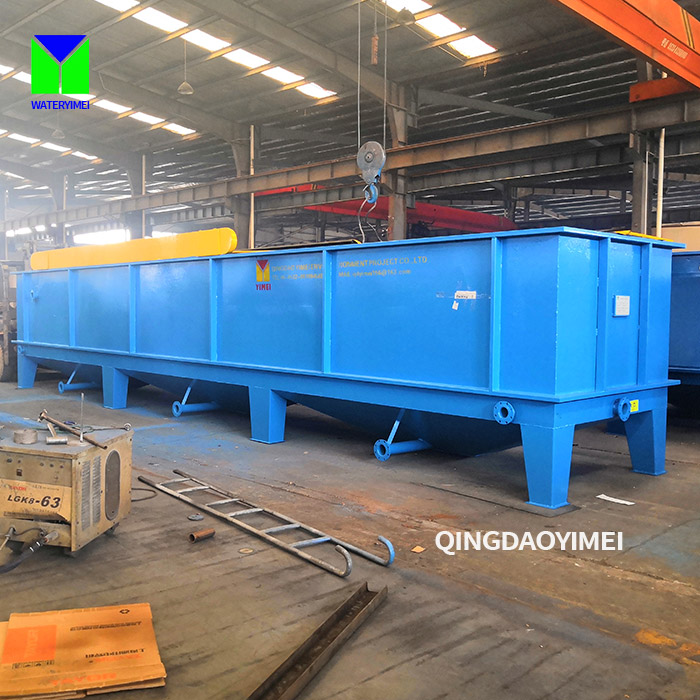
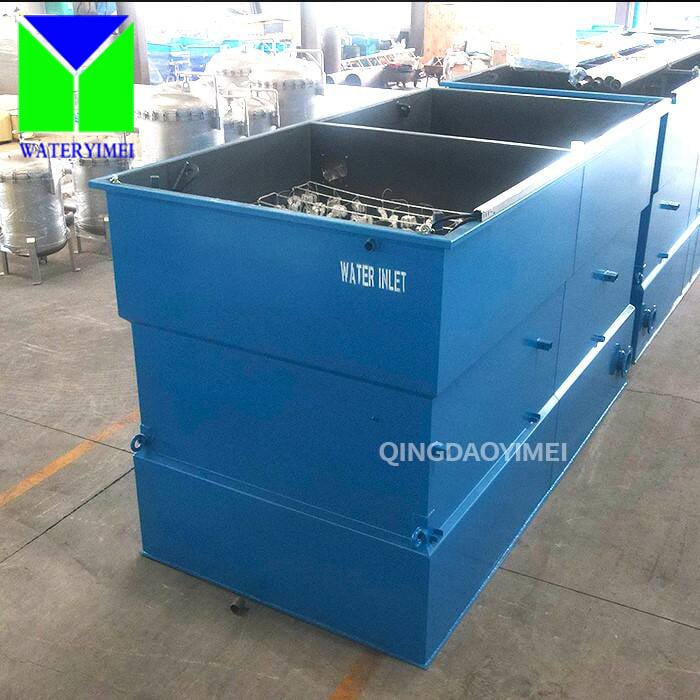
DAF: Efficiently retains fine fibers, fillers, and lightweight suspended substances, simultaneously recovering reusable pulp fibers; highly resistant to load fluctuations, with fast separation speed and compact footprint, significantly reducing the SS impact load on subsequent biochemical units and protecting the stable operation of the MBBR system.
MBBR: Carrier biofilm formation enriches microorganisms, efficiently degrading BOD and soluble organic pollutants (such as sugars, organic acids, etc.); low sludge production, strong shock resistance, adaptable to fluctuations in paper wastewater quality, without the need for a large secondary sedimentation tank, and simple operation and maintenance.
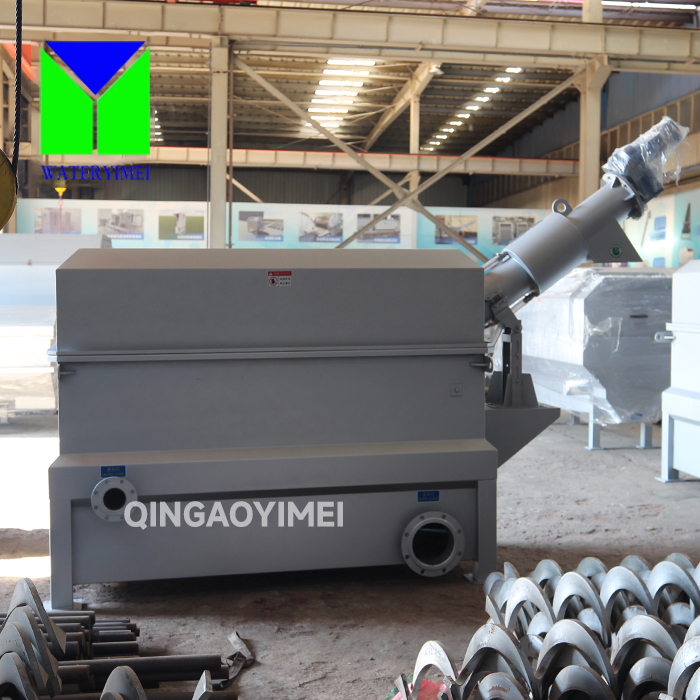
Filter: Retains residual fine suspended substances in the biochemical effluent, further reducing turbidity and residual color, stabilizing the effluent quality, providing reliable water intake guarantee for subsequent water resource reuse, and reducing the risk of fouling of downstream membrane equipment.
 |
In addition to the pulp and paper industry, treated reclaimed water can also be used in other industrial and non-industrial applications, including:
Agricultural Irrigation: Reclaimed water can serve as a reliable water source for irrigating farmland, orchards, and forage crops, helping reduce pressure on freshwater resources. Nutrients retained in reclaimed water that meets applicable quality standards may also reduce fertilizer use. However, strict water quality monitoring is necessary to protect soil quality and agricultural product safety.
Semiconductor and Electronics Manufacturing: After advanced treatment and purification to meet ultrapure water standards, reclaimed water can be used for wafer cleaning, equipment cooling, and production line rinsing.
Mining: Reclaimed water can be used for dust suppression at mining sites, ore washing, and tailings moisture control, reducing freshwater consumption in remote mining areas.
Battery Raw Material Production: Reclaimed water can be used for material washing, equipment cooling, and slurry preparation in the production of battery precursors involving lithium, cobalt, and nickel. These applications can help control production costs in the new energy industry.
Chemical Industry: Reclaimed water can be used for recirculating cooling water and process washing. After advanced treatment, it can also serve as boiler feedwater, helping meet the substantial water demands of chemical plants.
Municipal Applications: Reclaimed water can be used for urban landscaping irrigation, road cleaning, landscape water replenishment, toilet flushing in public buildings, and emergency firefighting water supplies. It provides an economical solution for urban water cycle management.
Yimei supports more efficient industrial water management
For manufacturers planning to increase water recovery rates, evaluating the existing wastewater treatment processes is a practical starting point. Understanding the current water consumption, wastewater quality, and potential reuse applications will better determine the appropriate treatment plan.
Are you looking for a wastewater reuse solution for your paper mill? Contact Yimei, and our technical team can assist in evaluating industrial wastewater treatment solutions suitable for your project.
Copyright © Qingdao Yimei Environment Project Co., Ltd. All Rights Reserved Privacy policy