EN
EN
 AR
AR
 BG
BG
 CS
CS
 DA
DA
 NL
NL
 FI
FI
 FR
FR
 EL
EL
 HI
HI
 IT
IT
 JA
JA
 KO
KO
 NO
NO
 PL
PL
 PT
PT
 RO
RO
 RU
RU
 ES
ES
 TL
TL
 ID
ID
 UK
UK
 ET
ET
 TR
TR
 AF
AF
 GA
GA
 MK
MK
 BN
BN
 NE
NE
 KK
KK
 SU
SU
 UZ
UZ

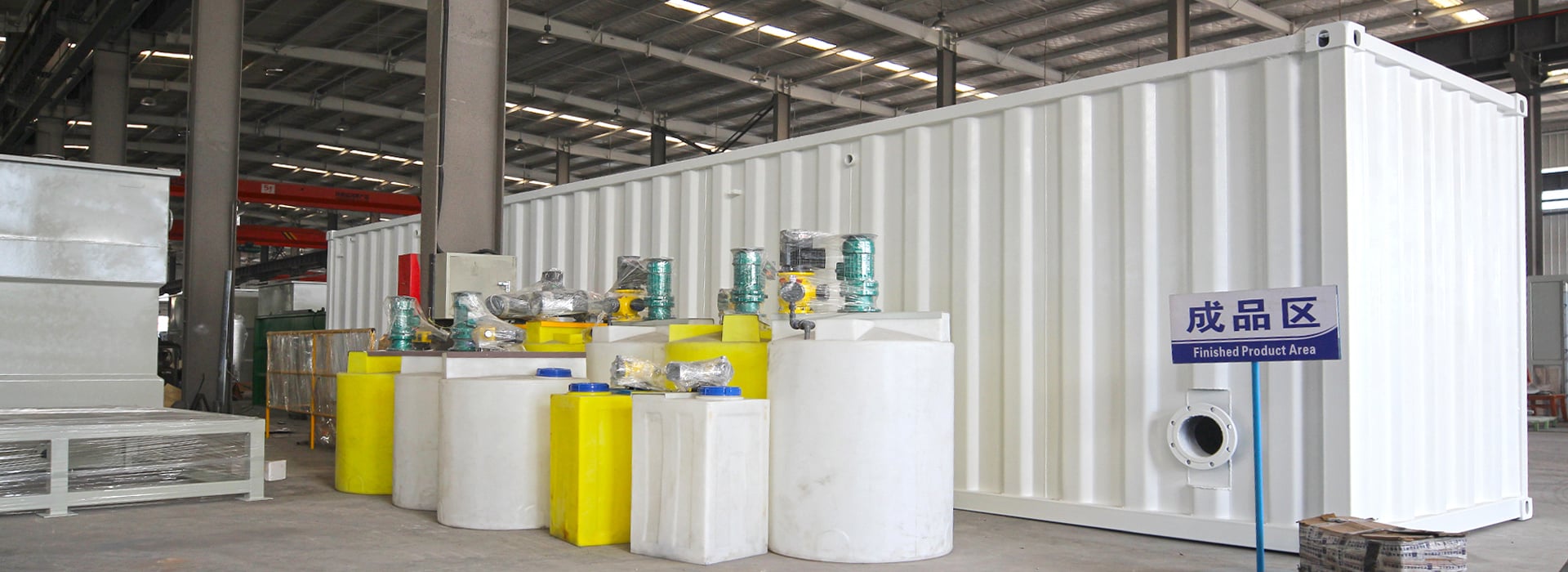
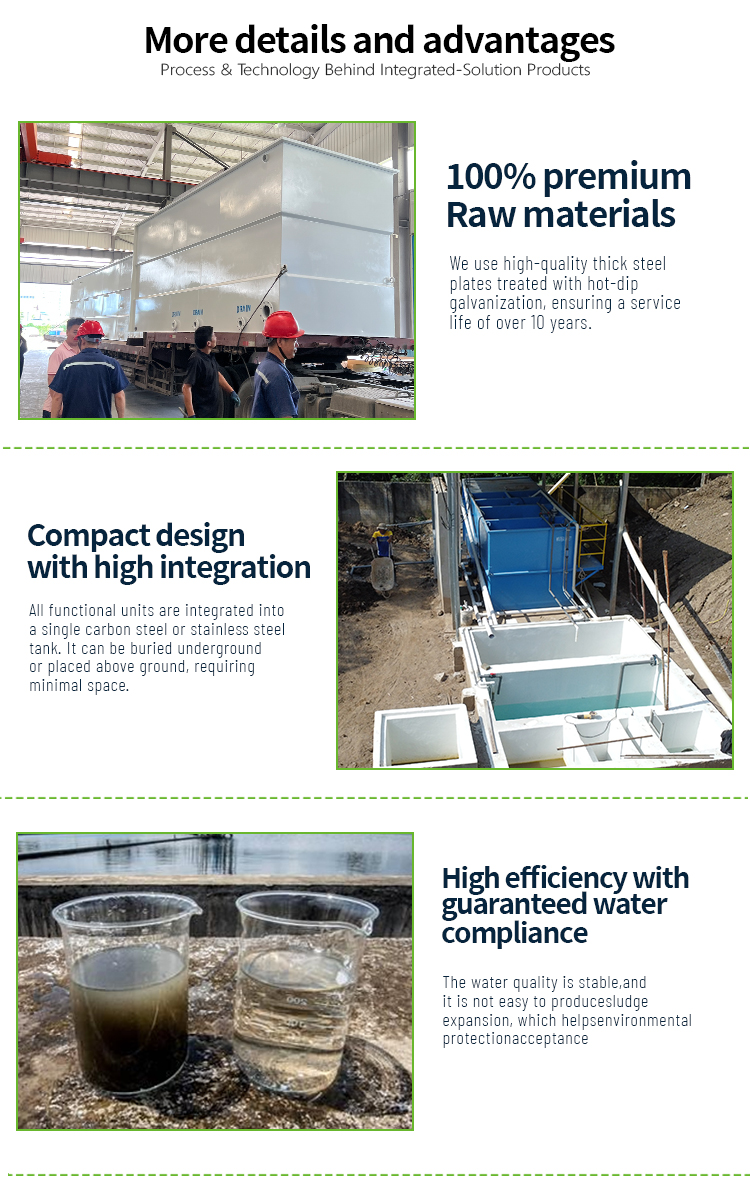
· Premium raw materials with quality assurance.
· Efficient purification with stable, Grade 1A effluent quality.
· Compact design for easy above-ground or underground installation.
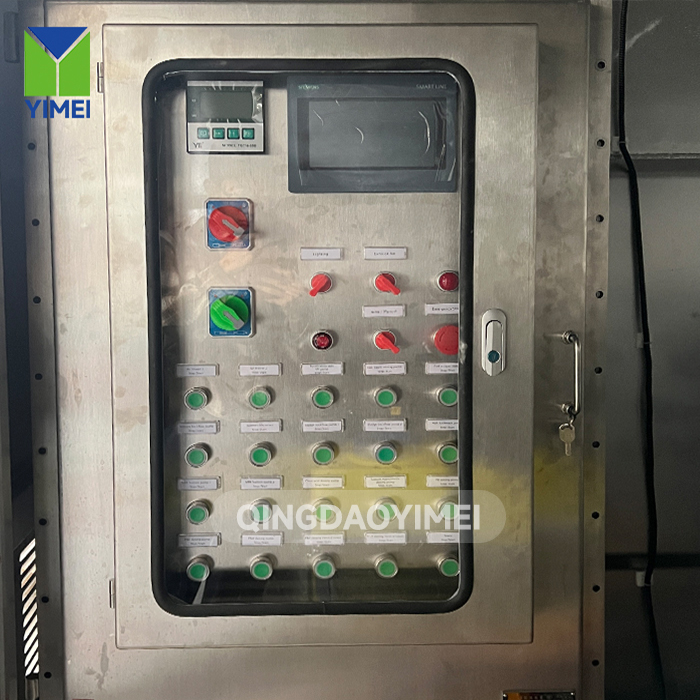
· Fully automatic operation ensures stable performance.
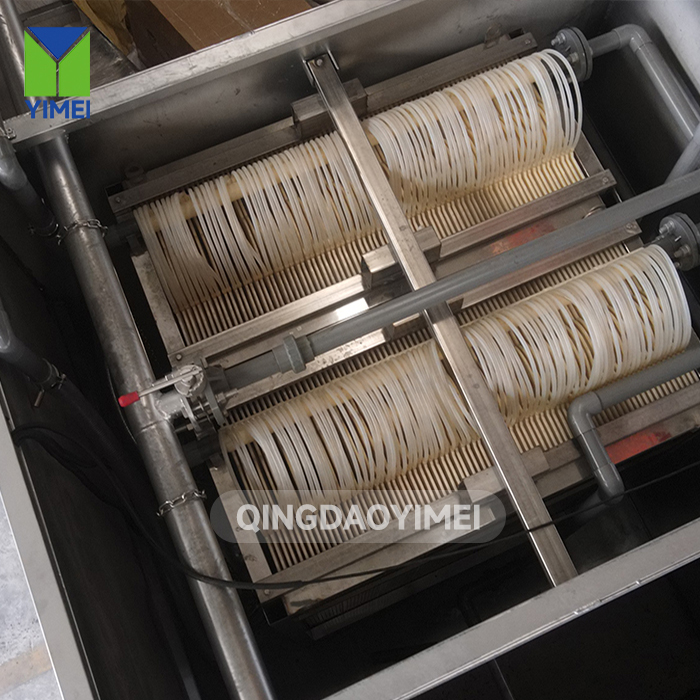
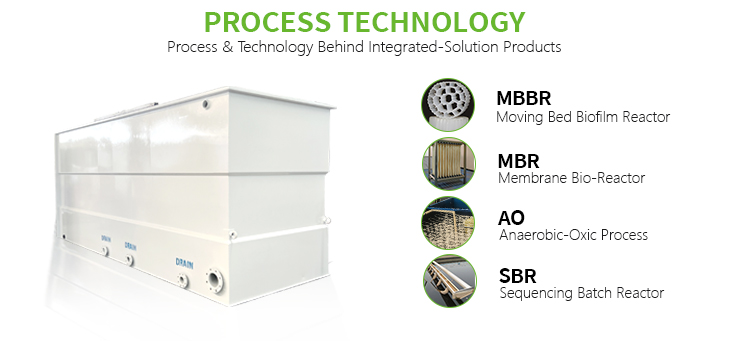
MBBR (Moving Bed Biofilm Reactor) is an efficient biological wastewater treatment technology that combines the advantages of the conventional activated sludge process and fixed biofilm treatment.
Wastewater continuously flows through a biological reactor filled with specially designed MBBR biofilm carriers. As the carriers move freely within the reactor, microorganisms attach to their surfaces and form an active biofilm.
The microorganisms growing on the biofilm use organic matter and nutrients in the wastewater, including carbon (C), nitrogen (N), and phosphorus (P), as part of their metabolic processes. Through biological degradation and conversion, pollutants are removed from the wastewater.
The continuous movement of the biofilm carriers provides a large effective surface area for microbial growth, helping maintain a highly active biological treatment environment.
MBBR technology can be incorporated into various wastewater treatment processes and customized according to influent water quality, treatment capacity, and discharge requirements.
 |
 |
 |
Typical MBBR Wastewater Treatment Process:
For complex industrial wastewater, additional processes such as DAF, chemical treatment, advanced filtration, or membrane treatment can be integrated into the system.
Product Features
1. High Microbial Concentration and Treatment Efficiency
The MBBR system uses specially designed moving bed biofilm carriers to provide a large surface area for microorganisms.
Compared with conventional activated sludge treatment, the biofilm carrier system can support a high concentration of active microorganisms, helping improve organic pollutant removal and biological treatment efficiency.
2. Low Risk of Clogging
The moving biofilm carriers remain suspended and continuously move within the reactor.
With appropriate system design, the MBBR process provides reliable biological treatment performance and does not require conventional media backwashing.
The system can also reduce the need for complicated sludge recirculation associated with certain conventional biological treatment processes.
3. Efficient Nitrogen and Phosphorus Removal
The suspended biofilm carriers support microbial growth and can provide favorable conditions for different biological treatment processes.By combining aerobic and anoxic treatment zones, the system can be designed to improve:
Organic pollutant removal
Ammonia nitrogen removal
Nitrogen removal
Phosphorus removal
The specific treatment performance depends on the wastewater characteristics and process configuration.
4. Compact Footprint
MBBR technology can provide high biological treatment capacity within a relatively compact reactor.
This makes the technology suitable for projects with limited available installation space.
5. High Biological Activity
The continuous movement of the MBBR carriers helps maintain active contact between microorganisms, wastewater, and oxygen.
The large protected surface area of the biofilm media supports stable microbial growth and efficient biological treatment.
6. Suitable for New and Existing Wastewater Treatment Plants
MBBR technology can be used in both new wastewater treatment projects and existing treatment plant upgrades.
It can be an effective solution for:
Increasing wastewater treatment capacity
Improving biological treatment performance
Upgrading existing activated sludge systems
Reducing the required footprint for new facilities
In many retrofit projects, MBBR carriers can be added to existing biological reactors with relatively limited modifications.
MBBR Technology Features
MBBR is a suspended-growth and attached-growth biological wastewater treatment technology that uses specially designed plastic carriers as the medium for biofilm development.
The carriers move freely inside the biological reactor through aeration or mechanical mixing.
This process provides several advantages:
Large surface area for biofilm growth
High microbial activity
Compact reactor design
Flexible treatment capacity
Suitable for wastewater treatment plant upgrades
Reduced land requirements
Stable biological treatment performance
MBBR technology is widely used for municipal sewage treatment, industrial wastewater treatment, and wastewater treatment plant upgrading projects.
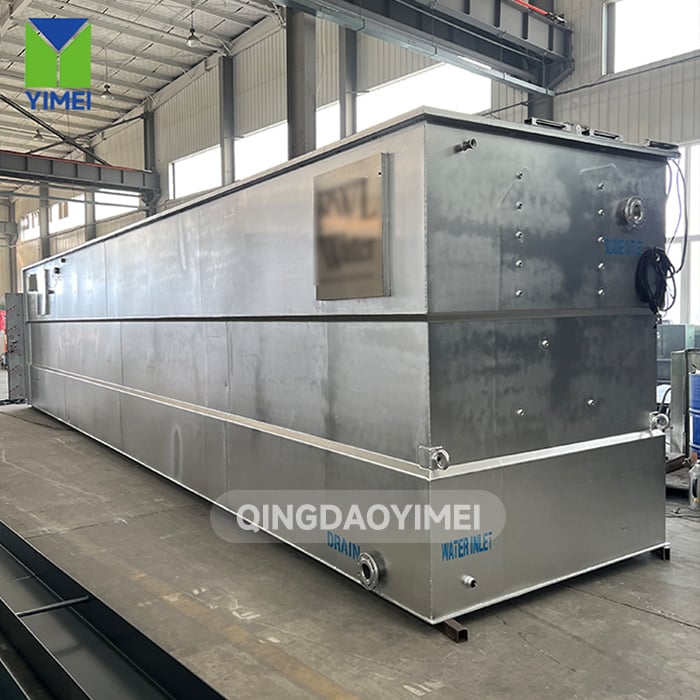
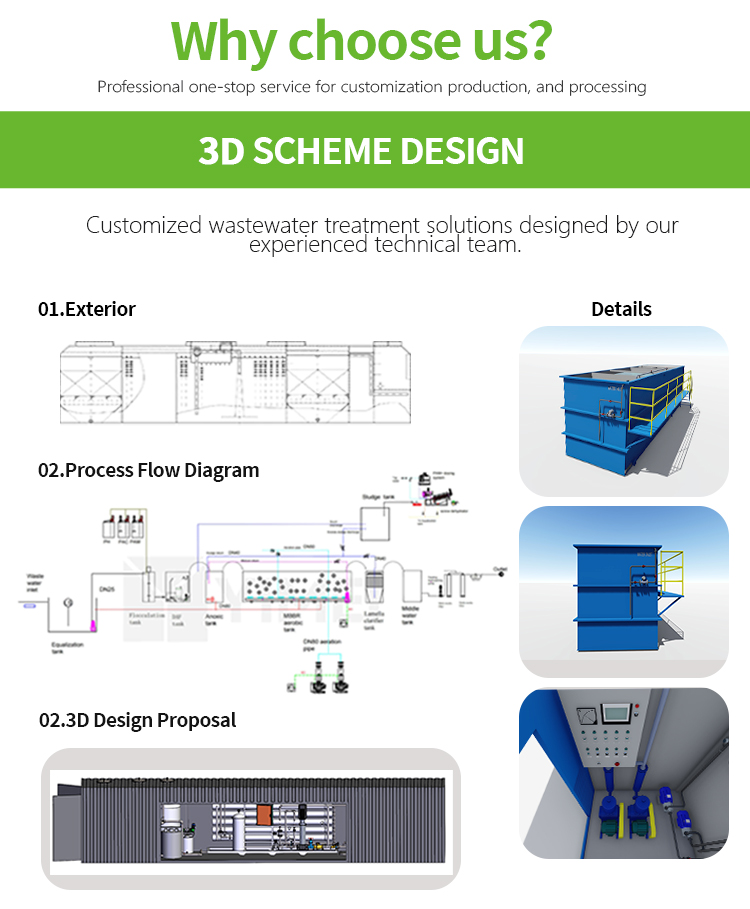
External Design
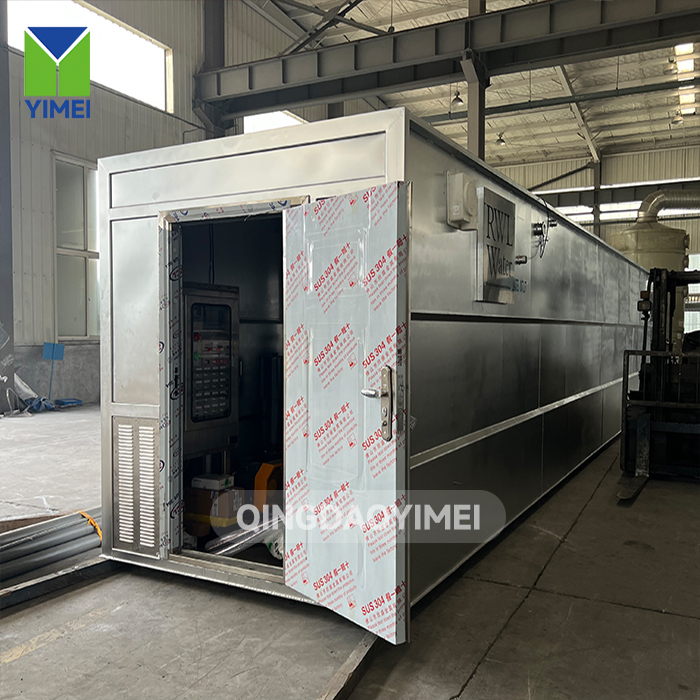
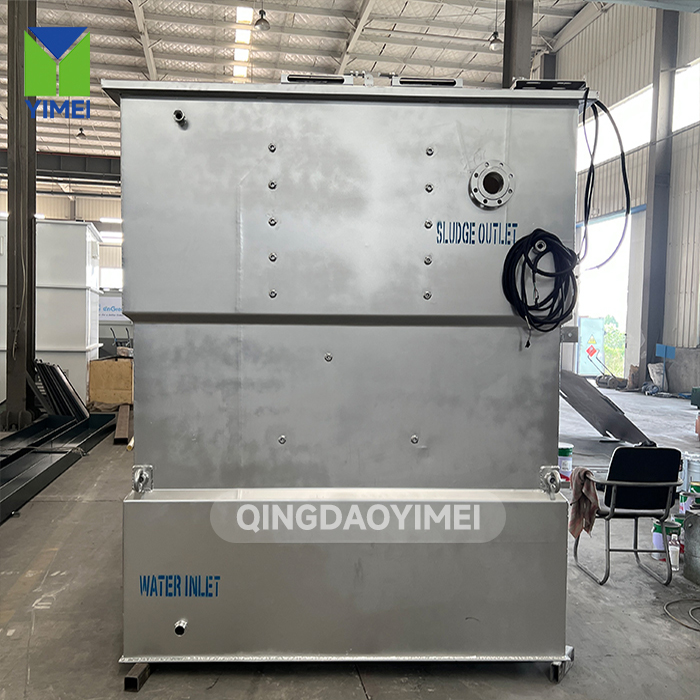
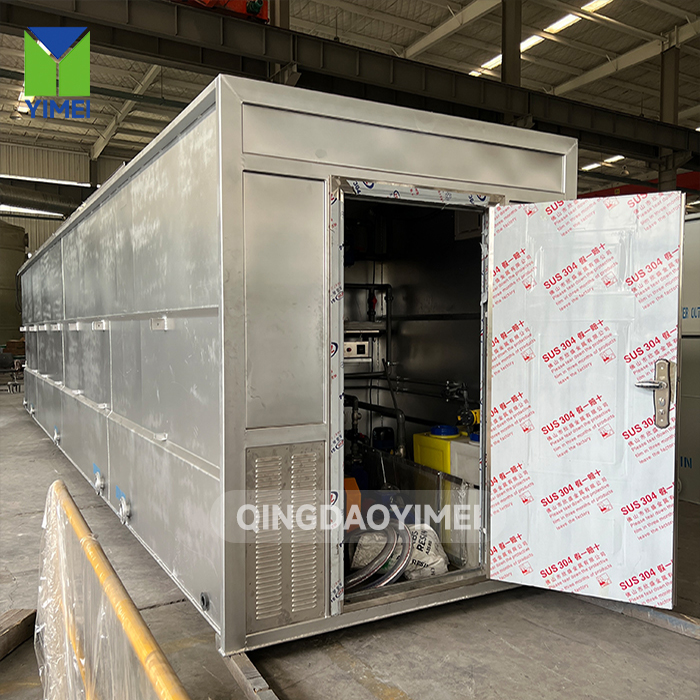
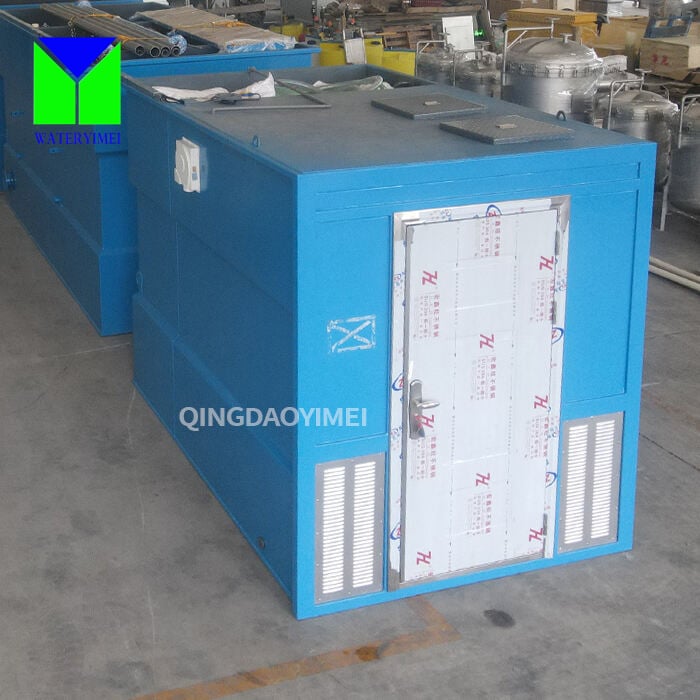
The external structure of the MBBR wastewater treatment system can be customized according to the project requirements.
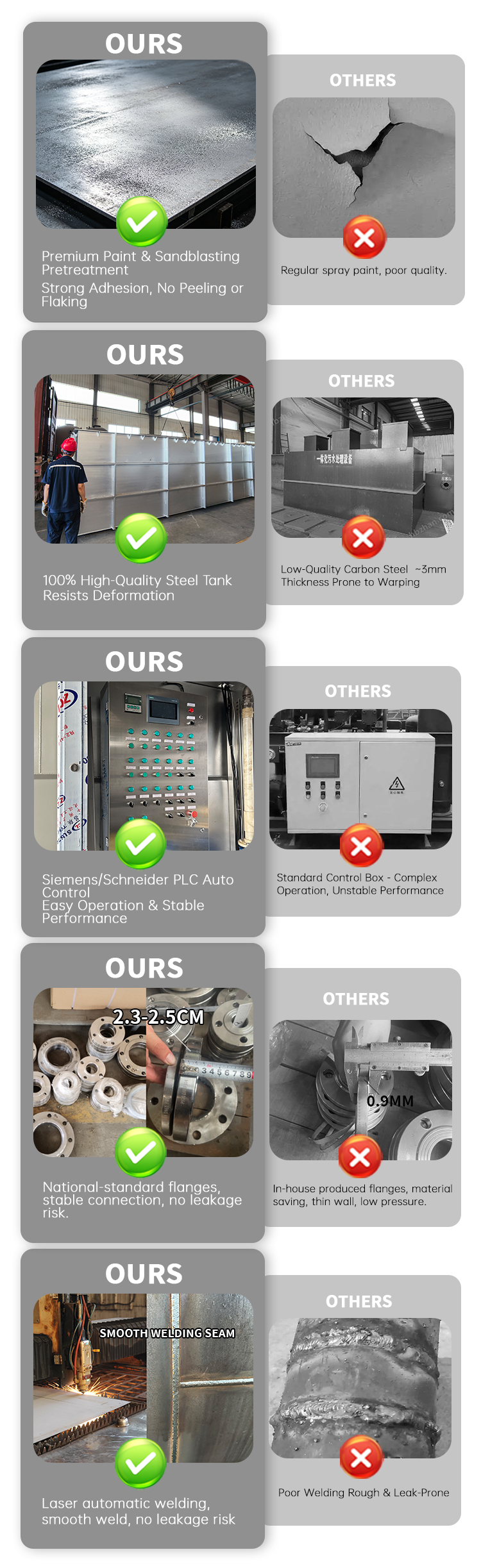
The main tank structure can be manufactured from materials such as:
Carbon steel/Stainless steel FRP
For carbon steel structures, appropriate anti-corrosion protection can be applied according to the installation environment and wastewater characteristics.
Common surface protection options include:
Epoxy anti-corrosion coating
FRP coating
Customized protective coating systems
The external appearance and color of the equipment can also be customized according to customer requirements.
The system can be supplied as:
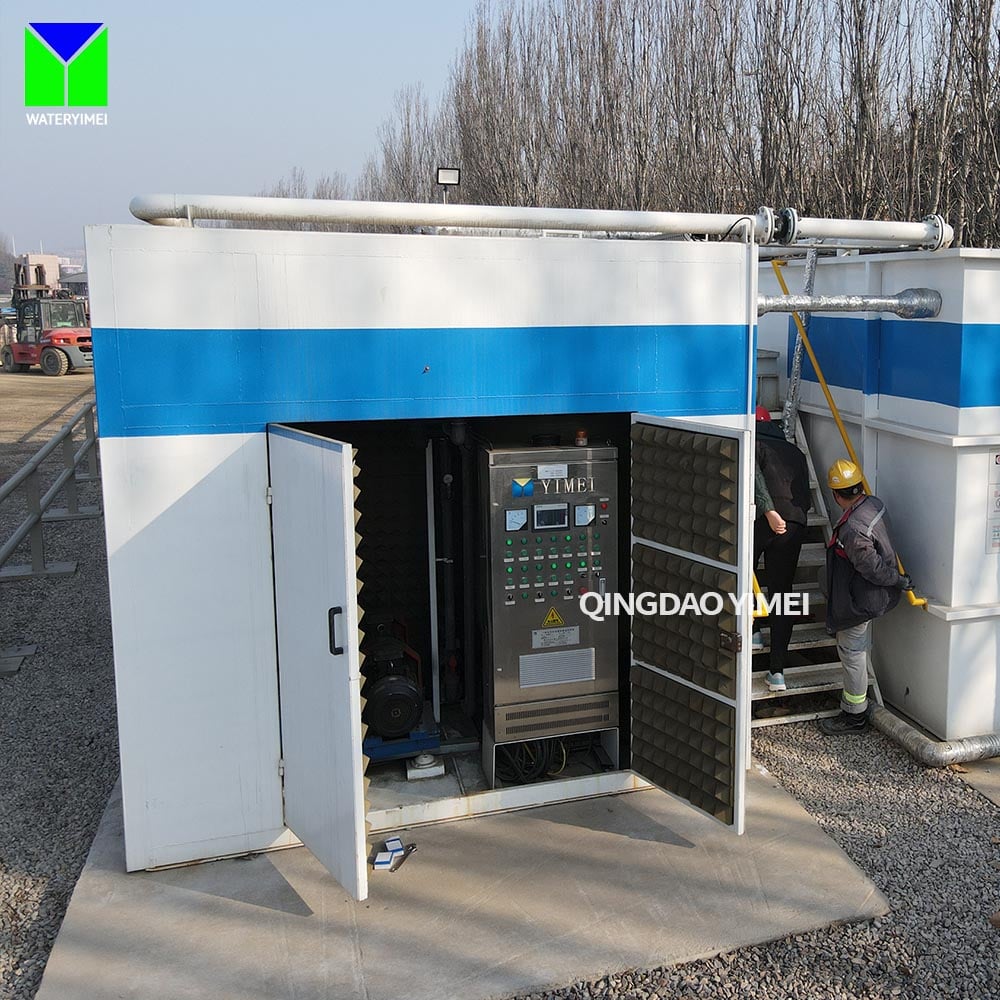
Integrated MBBR wastewater treatment equipment
Packaged MBBR wastewater treatment plant
Modular wastewater treatment system
Containerized wastewater treatment plant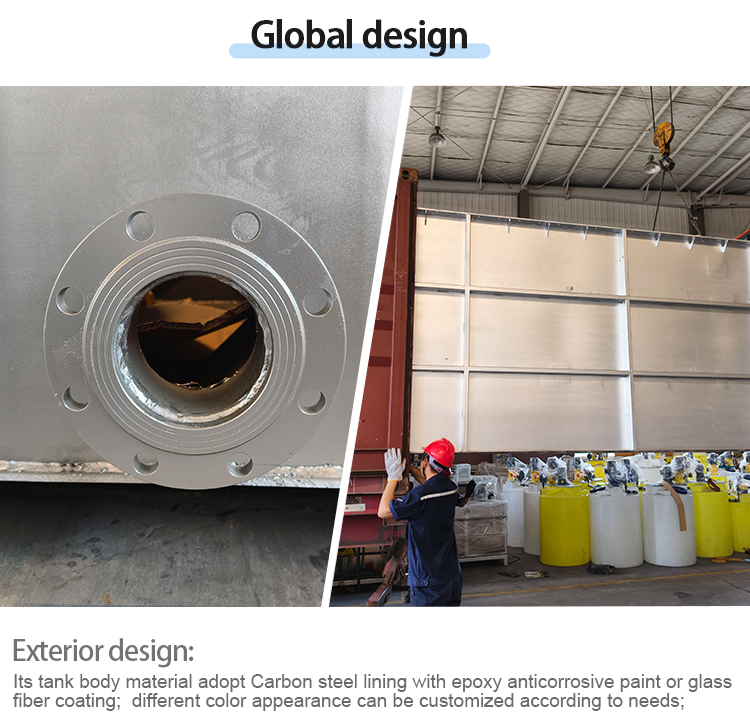
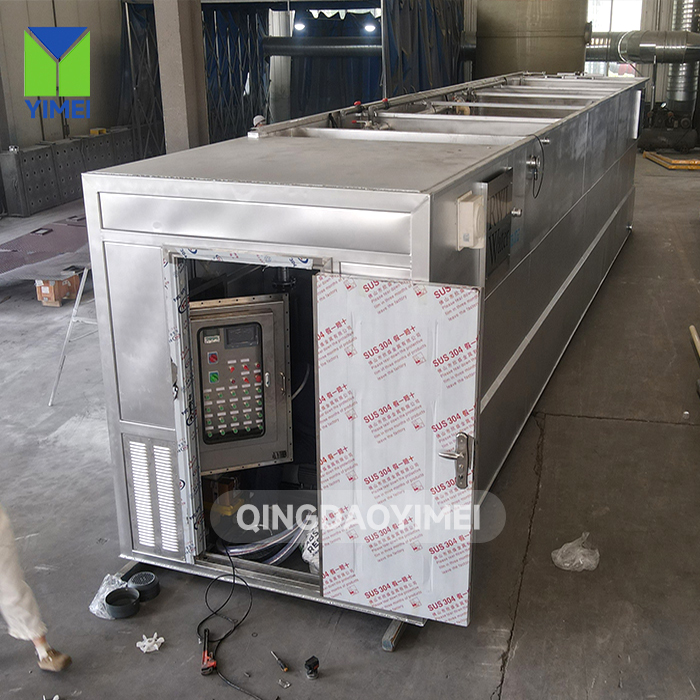
Internal Design
A typical integrated MBBR wastewater treatment system can be customized with multiple functional treatment sections.
Depending on the selected process, the internal structure may include:
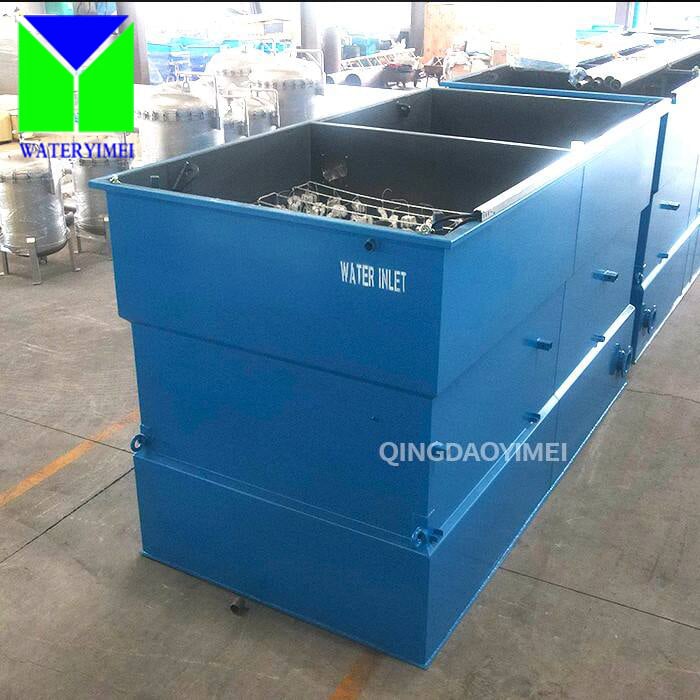
Primary Sedimentation Tank
Removes settleable suspended solids and reduces the pollutant load entering the biological treatment process.
Anaerobic or Anoxic Tank
Provides suitable conditions for biological nutrient removal processes, depending on the wastewater treatment requirements.
MBBR Biological Treatment Tank
Contains moving bed biofilm carriers where microorganisms grow and degrade pollutants.
Aeration and Contact Oxidation Section
Supplies oxygen to support aerobic biological treatment and maintains the movement of biofilm carriers.
Secondary Clarification Tank
Separates biological solids and treated water where required by the process design.
Disinfection Tank
Provides final disinfection before wastewater discharge or further treatment.
Sludge Storage Tank
Collects excess sludge generated during the wastewater treatment process.
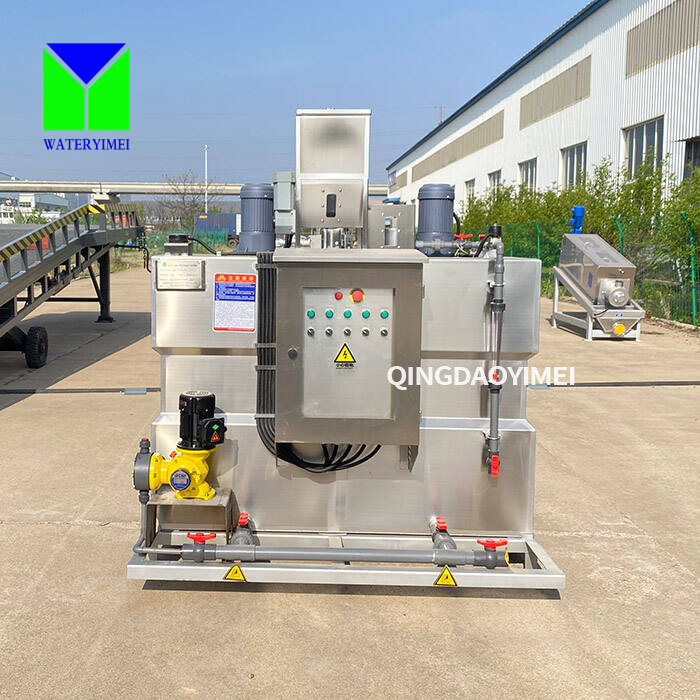
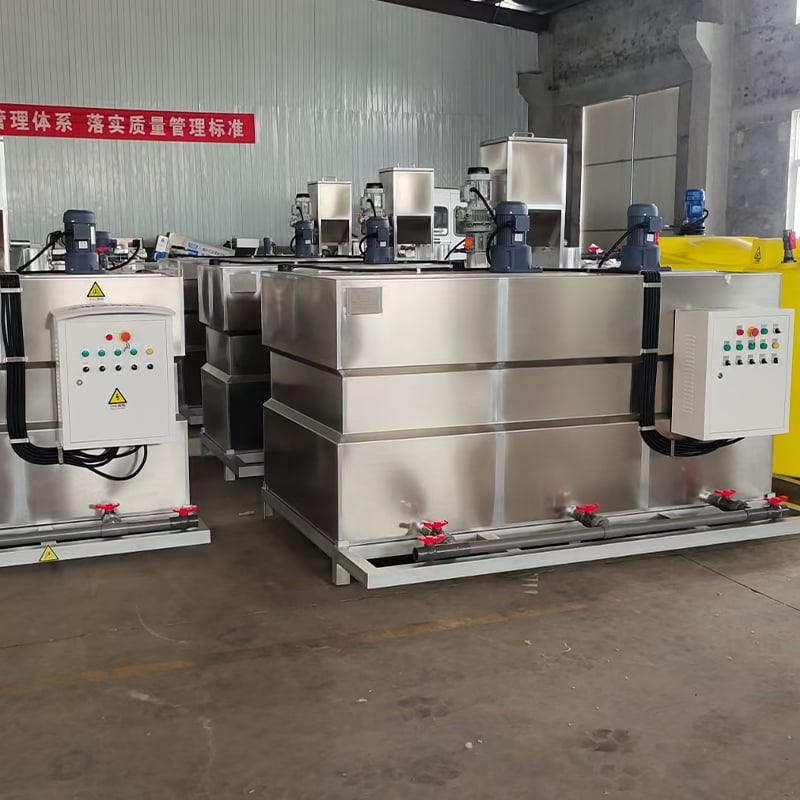
Additional equipment such as air blowers, pumps, control systems, screens, chemical dosing systems, and monitoring equipment can be integrated according to project requirements.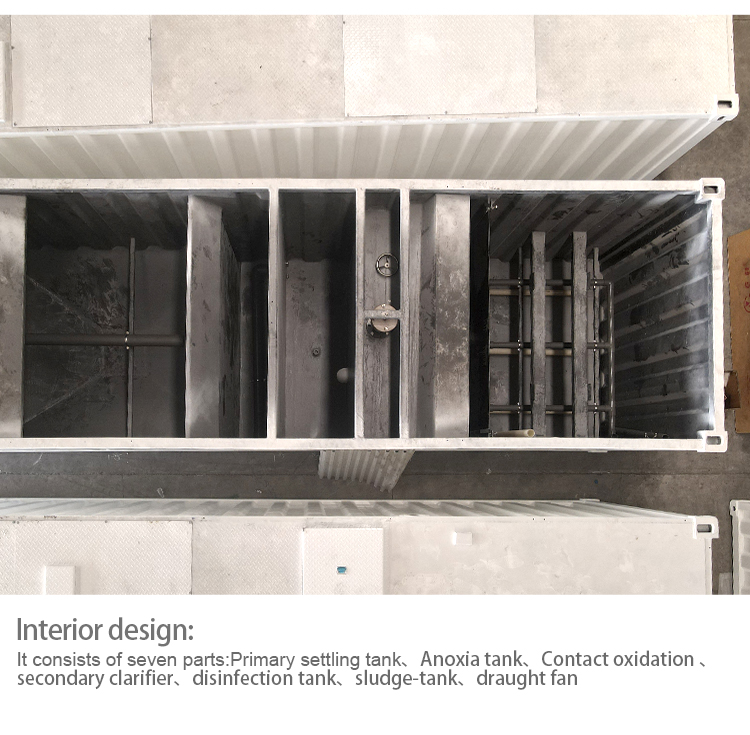
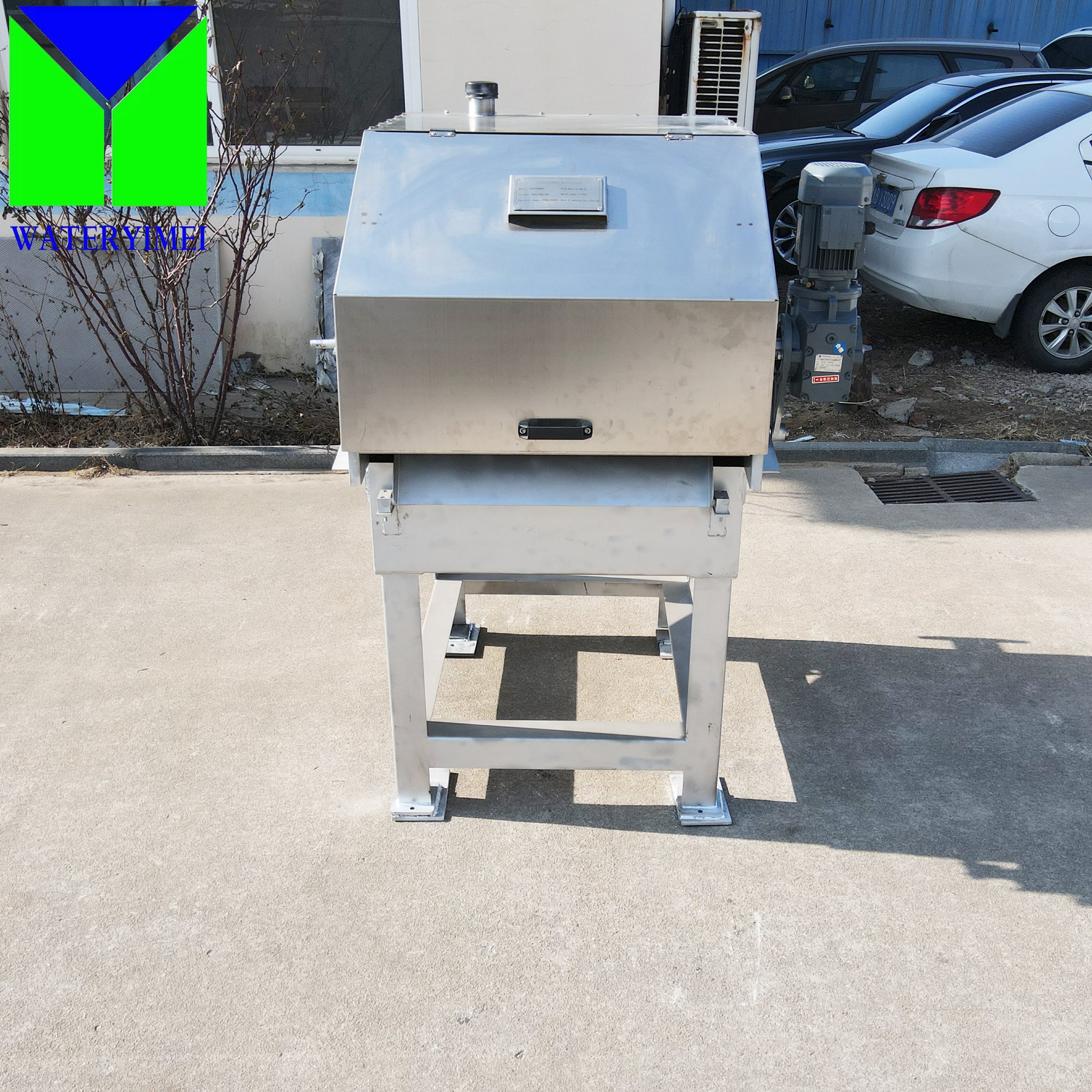
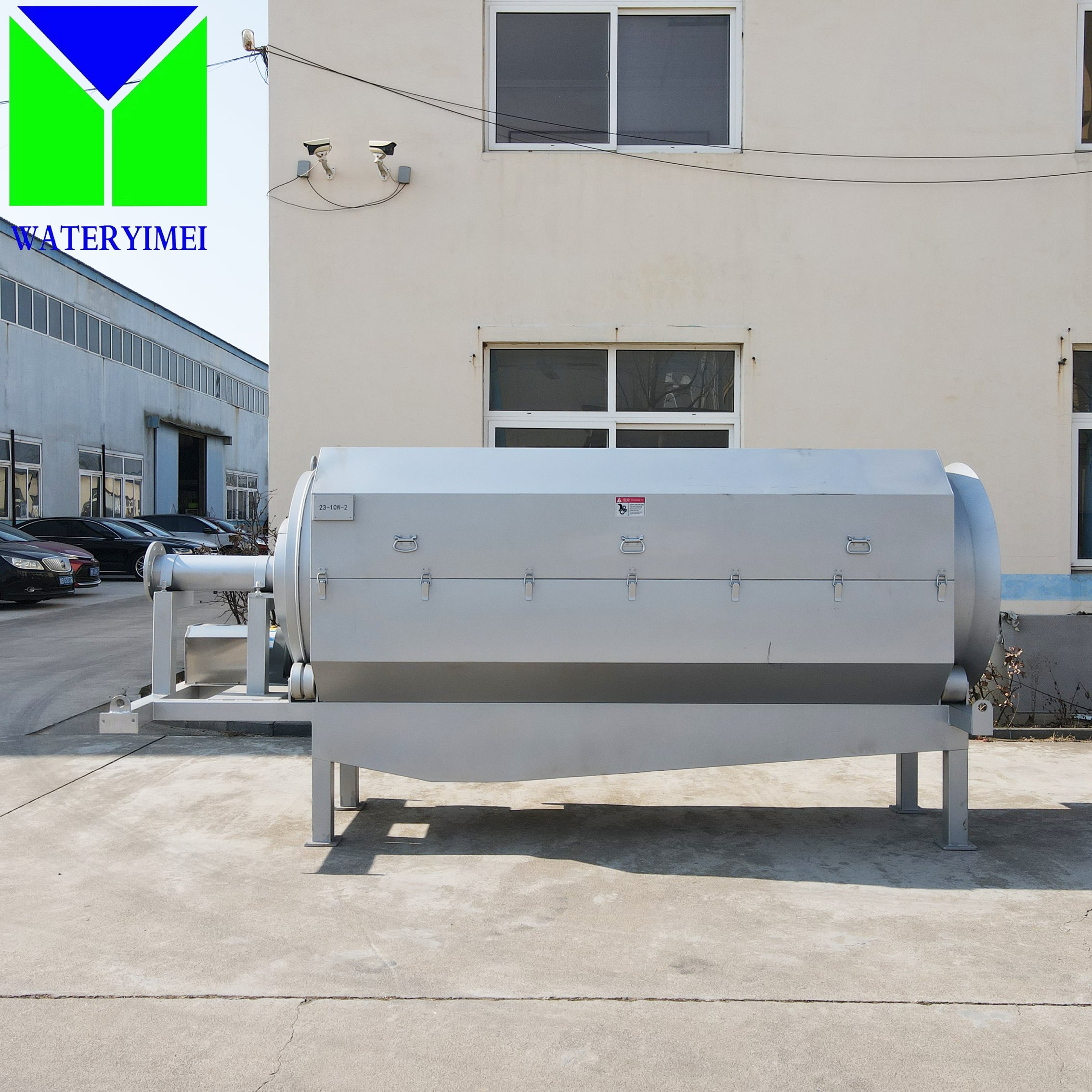
Wastewater passes through this unit, where large suspended solids, fibers, and large floating debris are intercepted and removed.
The effluent enters the equalization tank. It helps balance variations in influent flow rate and water quality, providing flow and load equalization. Pre-aeration is provided to suppress odors, prevent sludge settling and compaction, and balance influent parameters such as BOD₅, ammonia nitrogen, and total nitrogen.
Excess sludge generated during the treatment process is collected in the sludge tank. Part of the sludge is returned to the anoxic tank to maintain an appropriate sludge concentration in the biological treatment system, while excess sludge needs to be regularly transported off-site for disposal.
Wastewater enters the anoxic tank while receiving nitrified liquid recycled from the aerobic tank. Under anoxic conditions, denitrifying bacteria convert nitrate nitrogen into nitrogen gas, which is released to complete total nitrogen removal. This step also degrades part of the organic pollutants and reduces the treatment load on the aerobic stage.
Aeration equipment continuously supplies air to create an aerobic environment in which aerobic microorganisms proliferate. Through nitrification, ammonia nitrogen is degraded while organic pollutants such as BOD₅ are simultaneously decomposed. Biological media inside the tank support biofilm growth, enhancing resistance to shock loading and helping maintain stable biological treatment performance.
The mixed liquor after biological treatment enters the solid-liquid separation stage, where activated sludge, suspended solids, and colloidal substances are retained. After sludge-water separation, the clarified water enters the clean water tank, while the retained sludge remains within the biological treatment system for recirculation and reuse.
The separated clean water enters the clean water tank for temporary storage. It serves as a process buffer and can supply water for subsequent disinfection or be used as backwash water for the system.
The clean water is sent to the disinfection unit, where ultraviolet (UV) or sodium hypochlorite (NaClO) disinfection can be used to eliminate pathogenic microorganisms in the water. After treatment, the effluent can be directly discharged in compliance with applicable standards or reused as reclaimed water for applications such as landscaping and toilet flushing.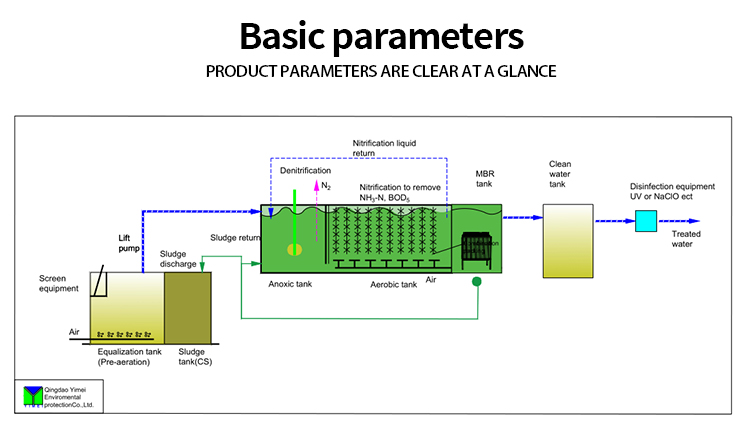
Item |
YMSZ-1 |
YMSZ-3 |
YMSZ-5 |
YMSZ-7.5 |
YMSZ-10 |
YMSZ-15 |
YMSZ-20 |
YMSZ-30 |
|
capacity(m3/h) |
1 |
3 |
5 |
7.5 |
10 |
15 |
20 |
30 |
|
equipment Nm |
1 |
1 |
1 |
1 |
2 |
2 |
2 |
3 |
|
Primary settling tank |
1.8 |
5.5 |
9 |
14 |
18 |
27 |
36 |
50 |
|
Contact oxidation tank (m3) |
5.0 |
14.5 |
24 |
36 |
44 |
63 |
83 |
130 |
|
Secondary settling tank surface load |
1.2 |
1.3 |
1.3 |
1.3 |
1.2 |
1.2 |
1.5 |
1.5 |
|
Disinfection tank (m3) |
0.6 |
1.8 |
2.8 |
4 |
5.5 |
8 |
10 |
15 |
|
Air blower |
model |
HC-25IS |
HC-30IS |
HC-50C |
HC-50IS |
HC-60IS |
HC-80S |
HC-100S |
HC1-100S |
power(kw) |
0.4 |
0.75 |
1.5 |
2.2 |
2.2 |
3.7 |
5.5 |
|
|
units |
2 |
2 |
2 |
2 |
2 |
2 |
2 |
2 |
|
sewage pump |
model |
AS10-2CB |
AS16-2CB |
||||||
power(kw) |
1.0 |
1.6 |
|||||||
Total Weight(t) |
5.5 |
6.5 |
8 |
11 |
17 |
20 |
21 |
29 |
|
Occupy area(m2) |
6 |
14 |
20 |
30 |
50 |
65 |
75 |
115 |
|
200 m³ Fish Processing Wastewater Treatment Plant Project in Samoa
Yimei provided a 200 m³ fish processing wastewater treatment plant for a seafood processing project in Samoa. The system is designed to treat wastewater generated during fish cleaning, processing, equipment washing, and production operations.
Fish processing wastewater typically contains high concentrations of organic matter, suspended solids, oil and grease, proteins, and biodegradable pollutants. This fish processing wastewater treatment plant integrates suitable pretreatment and biological wastewater treatment processes to effectively reduce pollutants such as chemical oxygen demand (COD), biochemical oxygen demand (BOD), suspended solids, and other organic pollutants. The system was designed to reduce the required installation space according to customer requirements while meeting local discharge standards.
Yimei has extensive experience in wastewater treatment equipment manufacturing and wastewater treatment project engineering, providing integrated solutions from wastewater analysis and process design to equipment manufacturing, installation guidance, commissioning, and technical support.
Other MBBR Wastewater Treatment Applications
The MBBR wastewater treatment process can be customized for:
Domestic sewage treatment
Municipal wastewater treatment
Industrial wastewater treatment
Food processing wastewater
Beverage wastewater
Slaughterhouse wastewater
Hotel wastewater
Commercial wastewater
Residential community wastewater
High-organic-load wastewater
Wastewater treatment plant upgrading projects
The final process configuration should be determined based on wastewater analysis and effluent discharge requirements.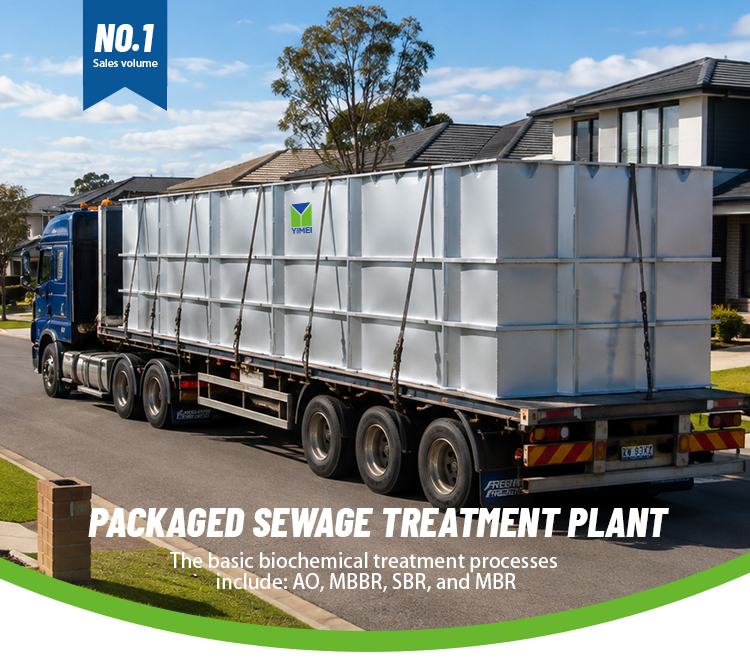

Copyright © Qingdao Yimei Environment Project Co., Ltd. All Rights Reserved Privacy policy