EN
EN
 AR
AR
 BG
BG
 CS
CS
 DA
DA
 NL
NL
 FI
FI
 FR
FR
 EL
EL
 HI
HI
 IT
IT
 JA
JA
 KO
KO
 NO
NO
 PL
PL
 PT
PT
 RO
RO
 RU
RU
 ES
ES
 TL
TL
 ID
ID
 UK
UK
 ET
ET
 TR
TR
 AF
AF
 GA
GA
 MK
MK
 BN
BN
 NE
NE
 KK
KK
 SU
SU
 UZ
UZ

Olive Industry and Environmental Sustainability
The olive industry plays an important role in the agricultural economies of many countries around the world. Although some harvested olives are directly consumed as table olives, their main use is for processing into olive oil. Olive oil is widely recognized for its well-known nutritional value and health benefits.
However, the olive oil production process generates a large amount of liquid and solid waste with high pollution potential. Among these by-products, olive mill wastewater (olive pomace) is particularly significant. If not properly treated, these waste streams can cause severe environmental impacts. Therefore, environmental regulations require olive oil mills to adopt effective wastewater treatment and waste management strategies, while also promoting reuse and recycling practices, in order to minimize their impact on ecosystems.
Wastewater Generated from Olive Oil Production
Olive oil is typically extracted using two main methods:
Regardless of the extraction method used, the process generates three main outputs:
Olive oil accounts for approximately 20% of the weight of crushed olives, while the solid residue known as olive pomace makes up about 30%. The remaining portion is mainly natural moisture from the fruit, which, together with process water, forms the primary olive mill wastewater (OMW).
The by-products generated during olive oil production, especially olive pomace, represent one of the most significant environmental challenges faced by the industry.
The composition of olive pomace varies depending on the extraction technology used:
Olive pomace itself is considered a valuable by-product rather than an environmental burden. For a long time, it has been used as a raw material in the pomace oil industry, with residual oil recovered through drying processes. The remaining solid residue, known as orujillo, has a high calorific value and is widely used as biomass fuel in pomace oil plants, olive mills, and other industrial facilities. This approach supports resource recovery and contributes to a more sustainable circular economy system.
Olive Mill Wastewater (OMW): Generation and Environmental Risks
The liquid waste generated during olive oil production is traditionally known in Spain as “alpechin.” It is composed of natural vegetation water from olives, fine fruit particles, and process water used throughout the oil extraction process. Depending on the extraction method, approximately 0.5–1.5 liters of olive mill wastewater (OMW) are produced per kilogram of olives processed.
OMW has significant pollution potential and typically contains:
The combination of high organic load, suspended solids, and phenolic compounds makes OMW one of the most difficult agricultural-industrial wastewaters to treat.
Olive pomace itself is considered a valuable by-product rather than a waste burden. For a long time, it has been used as a raw material in the pomace oil industry, where residual oil is recovered through drying processes. The remaining solid residue, known as orujillo, has a high calorific value and is widely used as biomass fuel in pomace oil plants, olive mills, and other industrial facilities. This practice supports resource recovery and contributes to a more sustainable circular economy.
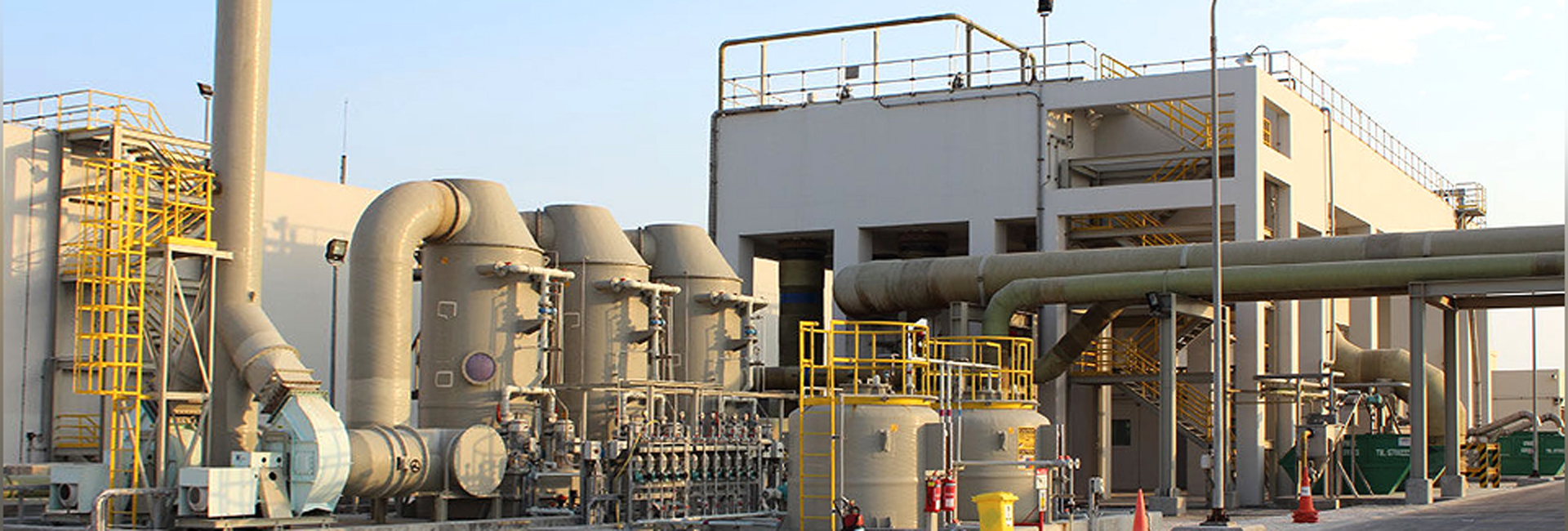
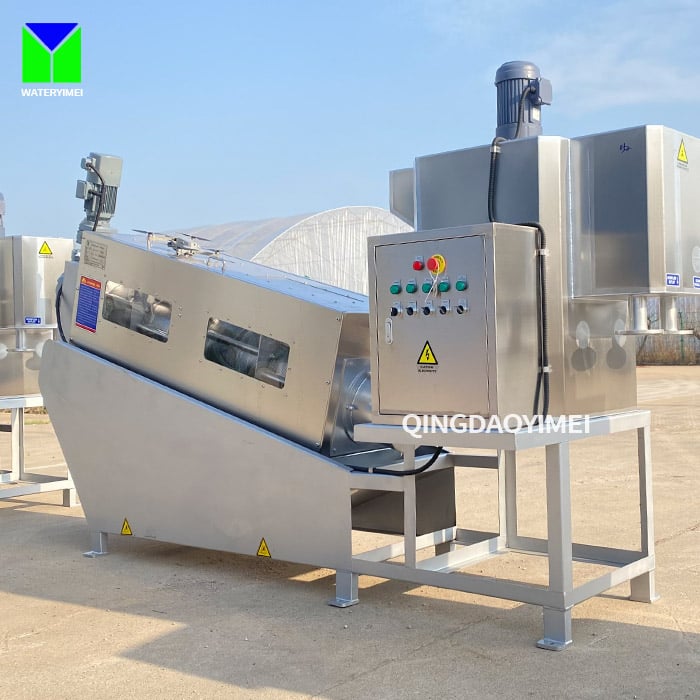
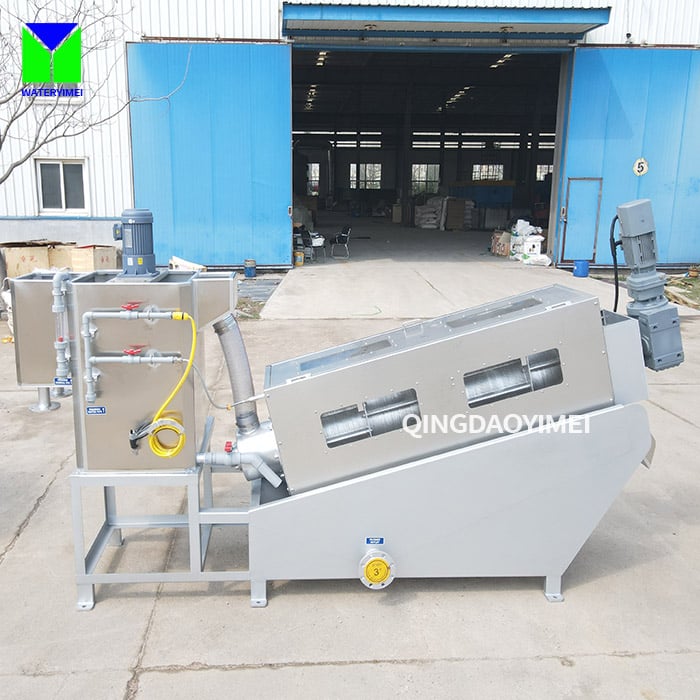
At YIMEI, we design and export customized olive mill wastewater treatment systems for olive oil mills, food processing companies, and EPC contractors worldwide.
Comparative table of typical characteristics of OMW under different extraction processes:
|
Parameter |
Traditional Press Extraction |
Three-Phase Centrifugation |
Two-Phase Centrifugation |
|
Wastewater Generation |
Low–Medium |
High |
Very Low |
|
Water Content |
High |
High |
Moderate |
|
Organic Matter (COD) |
High |
Very High |
Very High |
|
BOD₅ |
High |
High |
High |
|
Phenolic Compounds |
High |
High |
Very High |
|
Suspended Solids (TSS) |
Medium |
Medium |
High |
|
pH |
4.5–5.5 |
4.5–5.5 |
4.5–5.5 |
|
Color |
Dark Brown |
Dark Brown |
Dark Brown to Black |
|
Environmental Impact |
High |
Very High |
High (mainly in wet pomace) |
Technologies and Treatment Methods
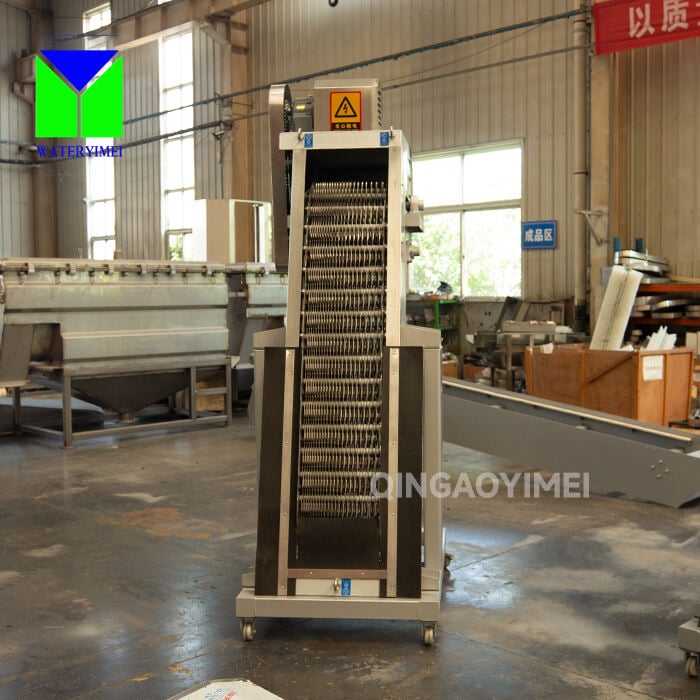
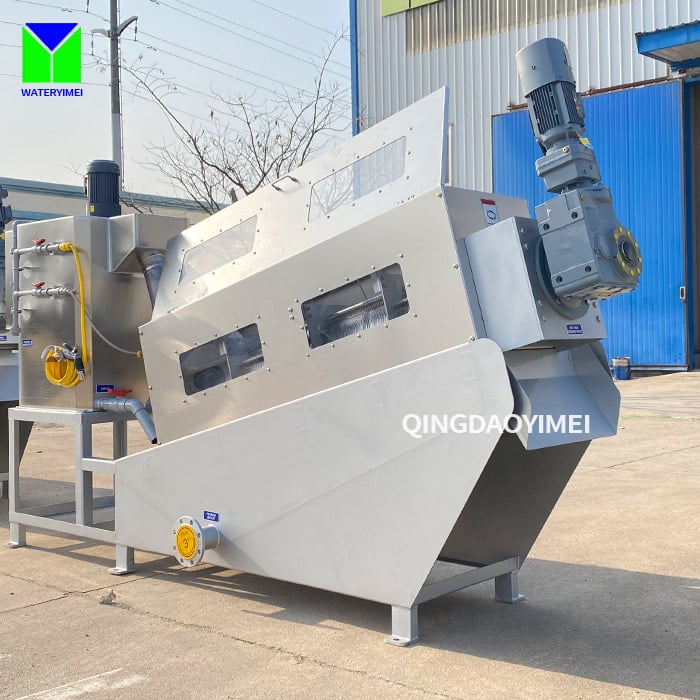
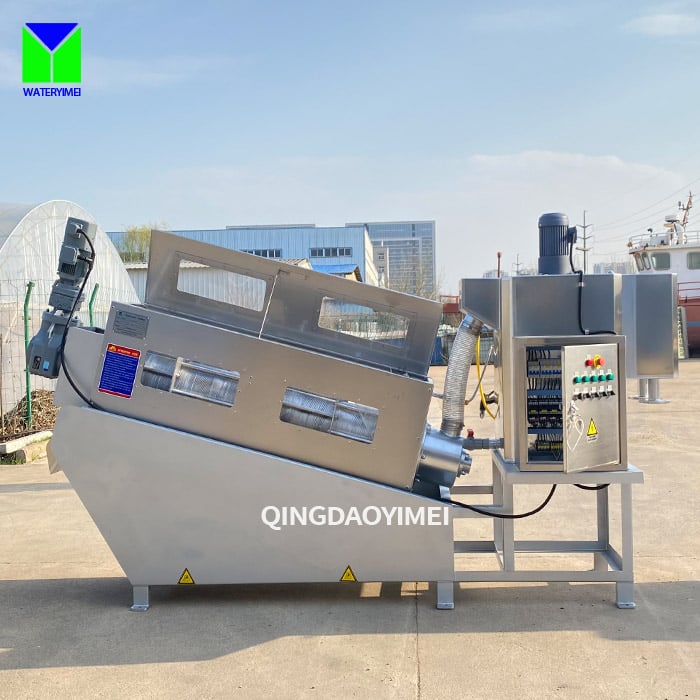
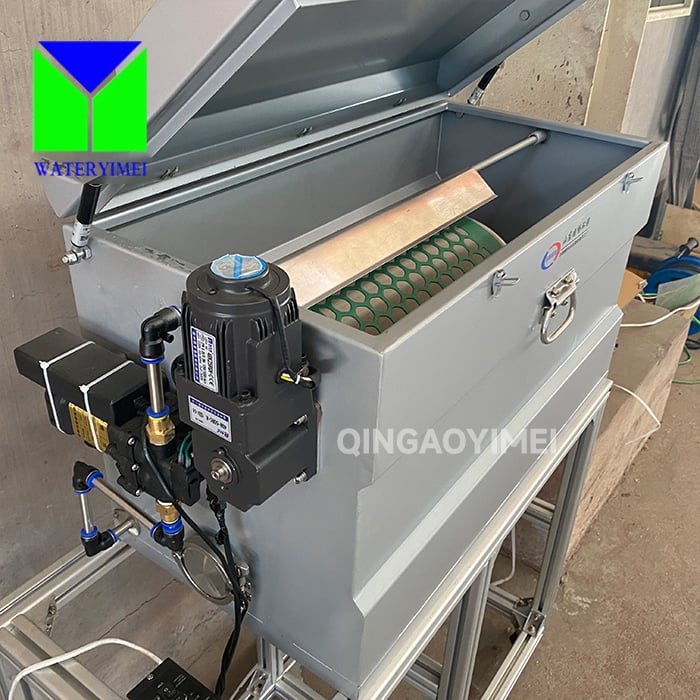
Understanding the technical processes helps in properly planning wastewater treatment scale and budgeting. For wastewater generated from the olive industry, Yimei engineers typically apply the following technologies and treatment methods:
These methods aim to reduce pollutant loads through various separation and oxidation mechanisms.
These are sustainable treatment processes that rely on microorganisms to degrade organic pollutants.
Advantages of Choosing YIMEI System Design
At YIMEI, our olive mill wastewater treatment systems are designed based on the real characteristics of high-strength organic wastewater.
Industrial process wastewater has unique characteristics, and treatment systems must be customized according to influent water quality, production scale, and discharge requirements. There is no standardized solution; instead, a properly engineered system is designed for each client to ensure optimal treatment efficiency.
Due to the highly seasonal and variable nature of wastewater from olive oil mills, our integrated design—especially MBBR and anaerobic-based process systems—can handle shock loads and maintain stable performance during peak production periods.
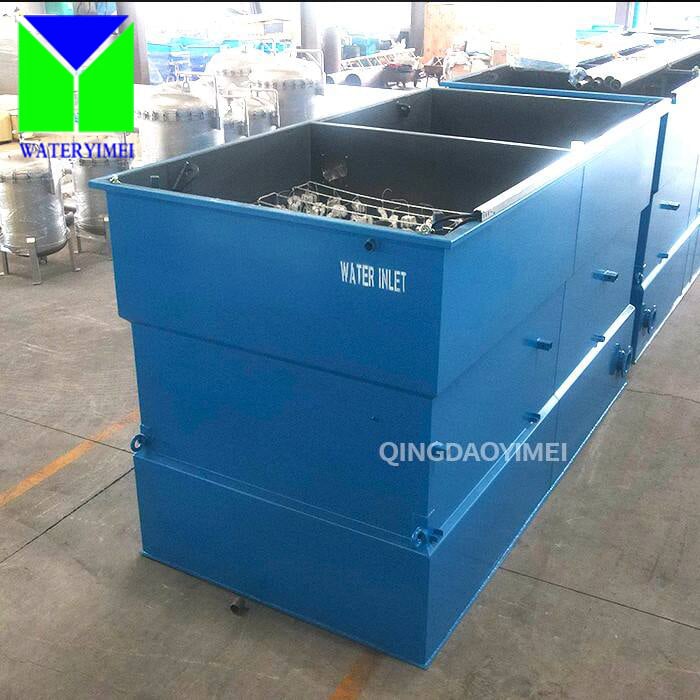
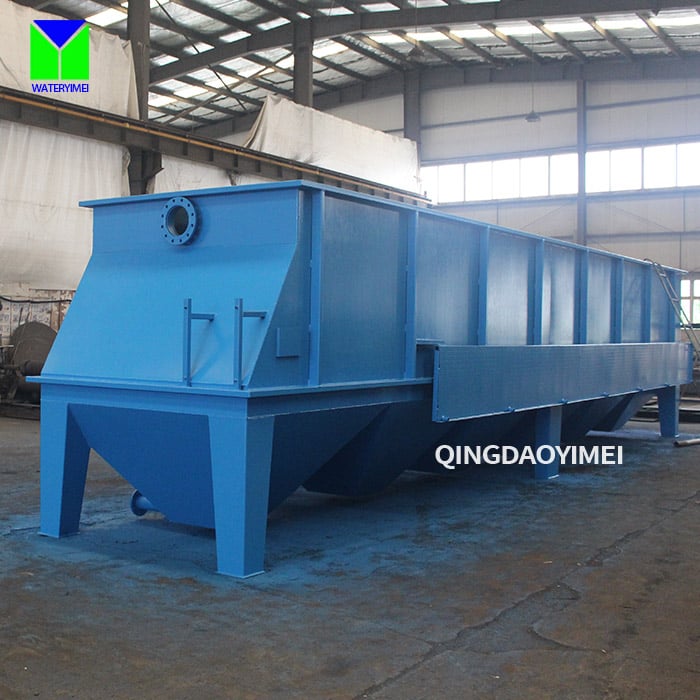
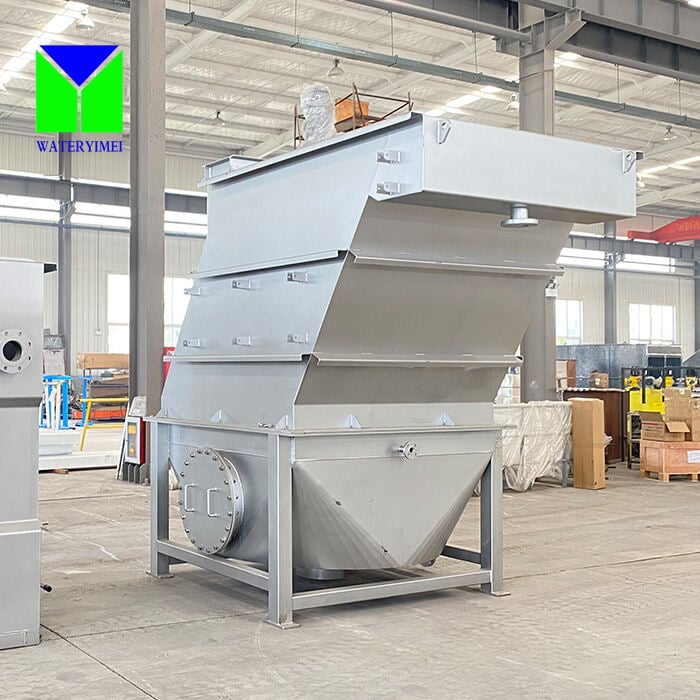
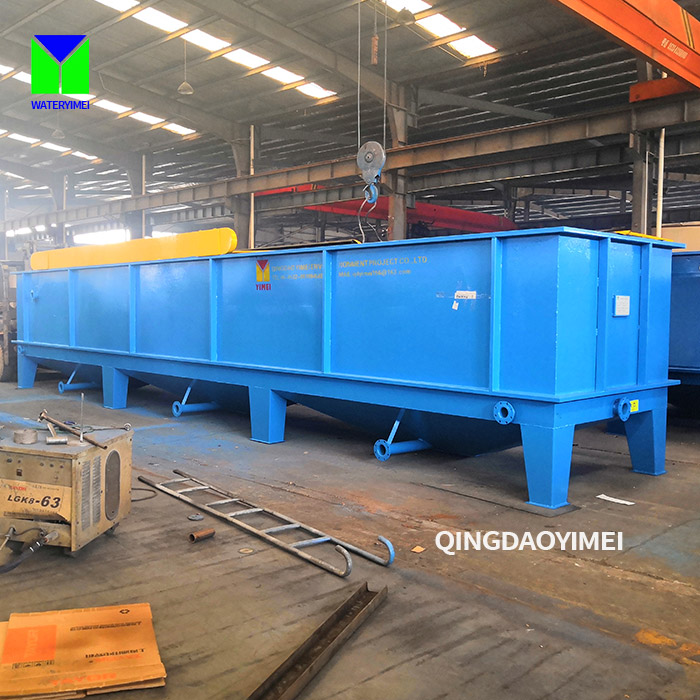
By combining DAF technology, biological treatment processes, and advanced filtration technologies, the YIMEI system effectively reduces high organic loads, suspended solids, oil content, and difficult-to-degrade phenolic compounds in wastewater.
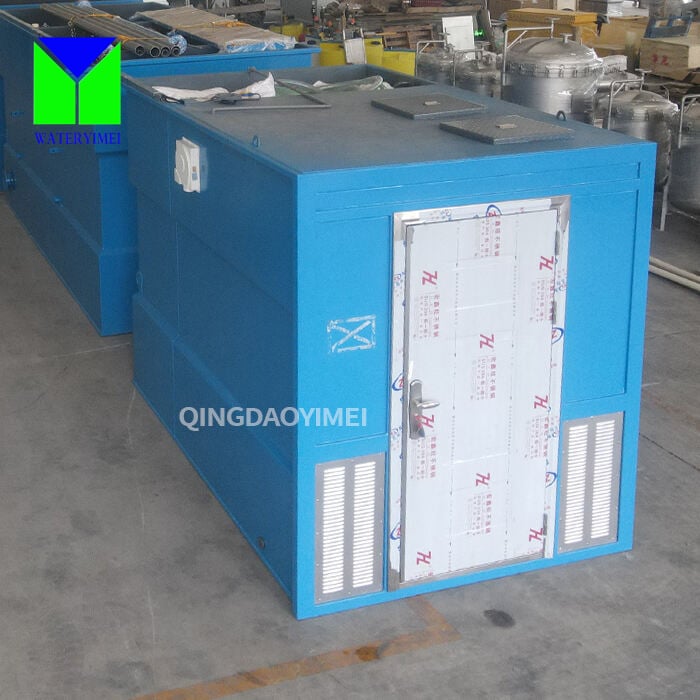
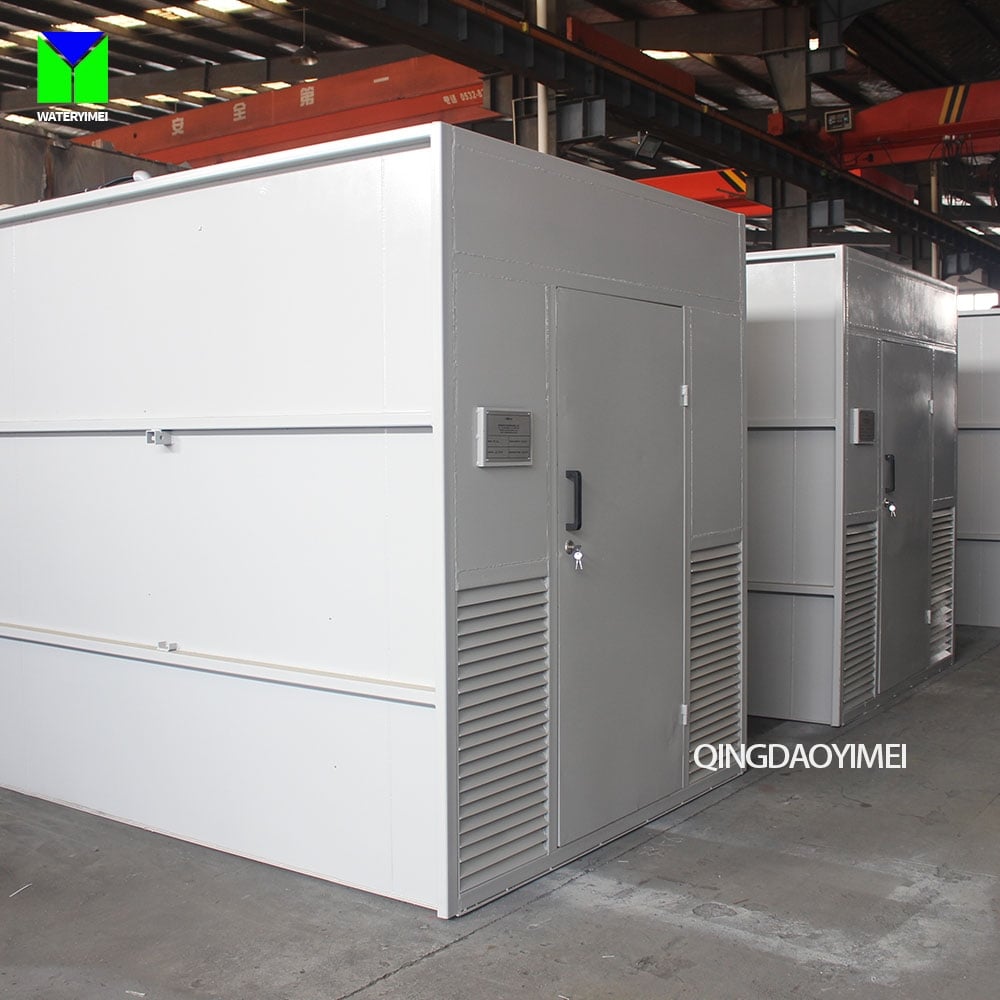
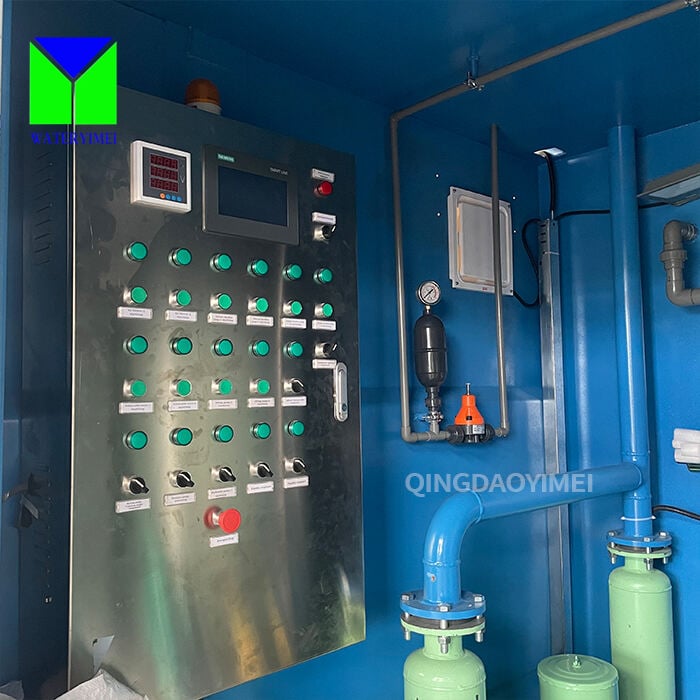
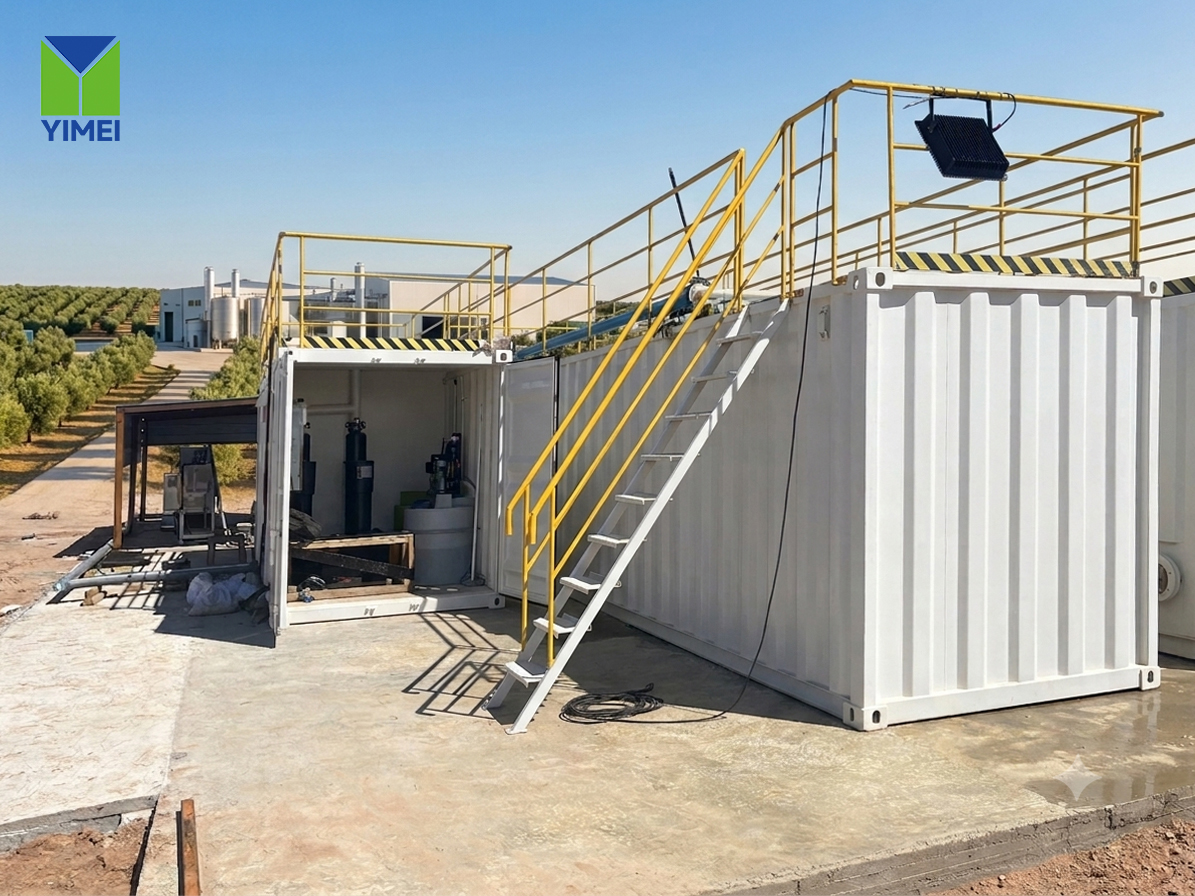
Containerized and modular designs allow easy expansion as production capacity increases, making the system suitable for olive mills of different production scales as well as large industrial facilities.
For high-strength wastewater, anaerobic treatment options can be integrated to convert organic matter into biogas, supporting energy recovery and improving overall operational sustainability.
YIMEI helps olive oil producers meet increasingly stringent environmental regulatory requirements in Europe, the Middle East, and other regions.
With extensive experience in industrial wastewater treatment such as food processing, palm oil, and slaughterhouse effluent, YIMEI is able to deliver reliable, field-proven treatment solutions.
Conclusion
Compared to other oil-processing industries, wastewater from olive oil mills is characterized as a complex and high-strength industrial effluent. Factors such as high organic load, phenolic compounds, oil content, and strong seasonal variability require the careful integration of multiple treatment processes to ensure stable and compliant discharge.
With extensive experience in industrial wastewater treatment, YIMEI provides fully integrated systems for olive oil producers worldwide. From preliminary separation and DAF systems to biological treatment and advanced filtration technologies, our engineered solutions are designed to ensure reliable performance, regulatory compliance, and long-term operational efficiency.
Whether you are upgrading an existing olive mill wastewater treatment plant or planning to build a new facility, YIMEI is ready to support your project with professional design, equipment supply, and technical expertise.
If you are ready to proceed, the next step is simple. Provide us with your water quality data, required flow rate, and application details, and our engineers will design a solution and send you a clear quotation.
Please fill in the contact form on our website with your project details, and our team will get back to you promptly.
https://www.ccyimei.com/Contact
Copyright © Qingdao Yimei Environment Project Co., Ltd. All Rights Reserved Privacy policy